Energy & Focus Optimization Stack 2026
5 natural compounds for sustained cognitive performance, mental clarity, and clean energy — L-Tyrosine, Rhodiola Rosea, Creatine, Alpha-GPC, and B-Complex reviewed with clinical research citations
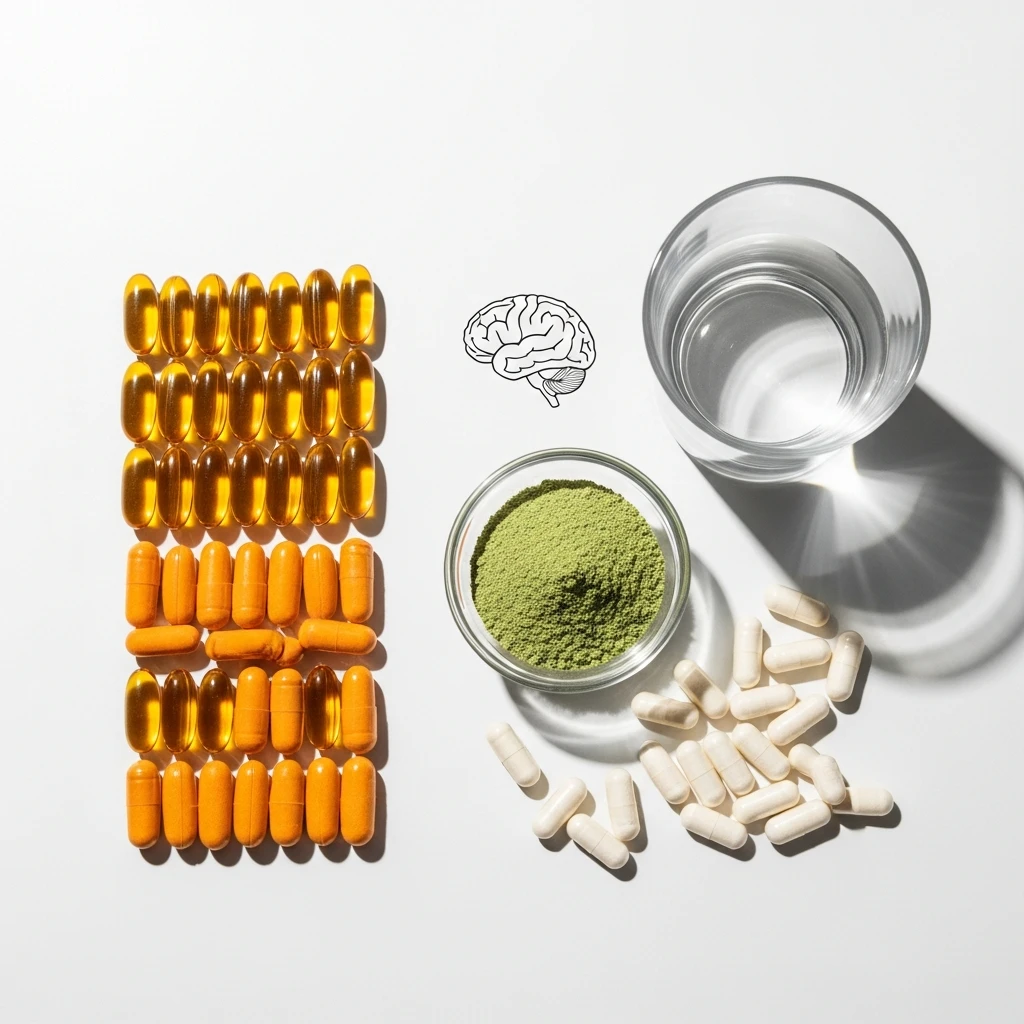
Optimizing Cognitive Performance in 2026: The Case Against Stimulant Dependency
The dominant approach to energy and focus in modern life is fundamentally flawed: caffeine and stimulant-based products provide short-term neurotransmitter release at the cost of accelerating depletion, tolerance, and withdrawal. The crash after a high-caffeine energy drink is not incidental — it is the biochemical consequence of forcing your brain to spend neurotransmitter reserves it has not had time to replenish.
The 2026 energy and focus stack takes the opposite approach. Rather than forcing neurotransmitter release, it supplies the precursors, cofactors, and cellular energy substrates that allow the brain to produce and sustain its own optimal neurochemical state. Each compound in this stack addresses a distinct and complementary aspect of cognitive performance: catecholamine synthesis (L-Tyrosine), stress resilience and HPA modulation (Rhodiola Rosea), neuronal ATP energy buffering (Creatine), acetylcholine production (Alpha-GPC), and enzymatic cofactor support across all neurotransmitter pathways (Methylated B-Complex).
The result is a synergistic stack where each component makes the others more effective — and where the cognitive benefits accumulate rather than deplete over time. This is not a shortcut; it is biochemical infrastructure for sustained peak performance.
The Core 2026 Energy & Focus Stack: L-Tyrosine (500–2,000mg) + Rhodiola Rosea (200–400mg) + Creatine Monohydrate (3–5g) + Alpha-GPC (300–600mg) + Methylated B-Complex (daily). Estimated monthly cost: $90–175.
Stack at a Glance
| # | Supplement | Category | Dose & Timing | Rating |
|---|---|---|---|---|
| #1 | L-Tyrosine Dopamine & norepinephrine synthesis, focus under stress & cognitive resilience | Amino Acid / Catecholamine Precursor | 500–2,000mg Morning or 30–60 min before demanding cognitive work, on an empty stomach | ★4.9 |
| #2 | Rhodiola Rosea Mental fatigue reduction, stress resilience & sustained attention during prolonged cognitive work | Adaptogen / Stress Resilience Herb | 200–600mg standardized extract (3% rosavins, 1% salidroside) Morning with or without food, or 30 min before stressful work | ★4.8 |
| #3 | Creatine Monohydrate Brain energy (PCr/ATP) resynthesis, working memory, processing speed & neuroprotection | Phosphagen / Cellular Energy Substrate | 3–5g daily Any time — with water or mixed into coffee or juice | ★4.9 |
| #4 | Alpha-GPC Acetylcholine synthesis, memory encoding, learning & cholinergic cognitive function | Choline / Acetylcholine Precursor | 300–600mg Morning or 30 min before focused work, with food | ★4.8 |
| #5 | B-Complex (Methylated) Neurological energy metabolism, homocysteine reduction, methylation & NAD+ pathway support | Essential Vitamins / Methylation Cofactors | One daily dose (per product label) — methylcobalamin + methylfolate preferred Morning with food (improves tolerance and absorption of water-soluble B vitamins) | ★4.7 |
L-Tyrosine
L-Tyrosine is the cornerstone of the energy and focus stack because it addresses the most fundamental neurochemical bottleneck of cognitive performance: the depletion of catecholamine precursors during mental and physical stress. Dopamine and norepinephrine — synthesized from tyrosine via the enzyme tyrosine hydroxylase — are the neurotransmitters that govern working memory, attentional control, executive function, and motivation. Under conditions of cognitive load, stress, or sleep deprivation, tyrosine is consumed faster than the brain can synthesize it from dietary protein, creating a functional catecholamine deficit that manifests as brain fog, difficulty concentrating, and motivational fatigue. The mechanism of L-tyrosine is uniquely elegant among cognitive supplements: rather than forcing catecholamine release (like stimulants) or blocking reuptake (like caffeine's mechanism on adenosine), it simply restores the raw material supply so the brain can produce its own neurotransmitters on demand. The human evidence is particularly compelling from military-funded research: Shurtleff et al. (1994, Pharmacology Biochemistry and Behavior) demonstrated that L-tyrosine supplementation significantly preserved working memory capacity and information processing speed in soldiers subjected to acute cold-weather stress and sleep deprivation — a scenario with direct translational relevance to any demanding cognitive environment. At 500–2,000mg taken 30–60 minutes before focused work on an empty stomach, L-tyrosine provides 3–4 hours of enhanced catecholamine synthesis capacity — the cognitive foundation on which the rest of this stack builds.
Key Features
- Direct precursor to dopamine, norepinephrine, and epinephrine — the catecholamines that govern focus, motivation, and working memory under cognitive load
- Particularly effective under conditions of acute stress, sleep deprivation, or demanding mental work where catecholamine depletion is a limiting factor
- A 1994 U.S. military-funded study (Shurtleff et al., Pharmacology Biochemistry and Behavior) found L-tyrosine supplementation significantly preserved working memory and information processing speed in soldiers subjected to cold-weather stress and sleep deprivation
- Unlike stimulants, L-tyrosine replenishes the raw material for neurotransmitter synthesis rather than forcing release — producing sustained focus without the crash
- N-acetyl L-tyrosine (NALT) is a more water-soluble form with slightly higher bioavailability in some formulations
Pros & Cons
Pros:
- +The most targeted cognitive performance supplement available: directly supplies the substrate for the neurotransmitters most depleted by mental stress and cognitive fatigue
- +Strong human evidence specifically for high-demand cognitive scenarios: military research, cold-stress studies, and sleep-deprivation trials consistently show working memory and executive function preservation
- +No stimulant tolerance or dependency — supports the brain's own neurotransmitter production capacity rather than bypassing it
Cons:
- -Effects are most pronounced under stress or cognitive demand; those in low-stress, low-demand states may notice subtler effects compared to stimulants
- -Competes with other large neutral amino acids (phenylalanine, tryptophan, leucine) for blood-brain barrier transport — take on empty stomach for optimal CNS uptake
Rhodiola Rosea
Rhodiola Rosea (golden root, arctic root) is the most clinically substantiated adaptogen for the specific challenge that defines modern cognitive performance demands: maintaining mental acuity, emotional stability, and focus output during extended periods of high stress and sleep-compromised conditions. As an adaptogen, rhodiola works through the hypothalamic-pituitary-adrenal (HPA) axis — the central stress response system that coordinates the body's cortisol output. The key insight from rhodiola research is that it modulates HPA reactivity bidirectionally: under stress, it blunts excessive cortisol release and the cognitive degradation it produces; under low-stress conditions, it provides mild stimulating and mood-elevating effects via its monoamine activity. The landmark 2009 double-blind, placebo-controlled RCT by Darbinyan et al. (Phytomedicine) enrolled night-shift physicians during a 6-week night-duty period — a high-demand, sleep-deprived, chronobiologically stressed cognitive scenario with direct relevance to any knowledge worker under sustained pressure. Physicians receiving 170mg standardized rhodiola extract demonstrated significantly better performance on tests of mental fatigue, attention, and calculation speed compared to placebo (p<0.05). A complementary 2012 Phytomedicine study (n=56 students during examination periods) found 200mg/day for 20 days significantly reduced fatigue, improved concentration, and enhanced exam performance. For the energy and focus stack, rhodiola at 200–400mg functions as the stress buffer that preserves and extends the effects of L-tyrosine — preventing the cortisol-driven catecholamine catabolism that would otherwise limit the stack's sustained efficacy under real-world demanding conditions. Take standardized 3% rosavins / 1% salidroside extracts for consistent potency.
Key Features
- The most clinically validated adaptogen for mental fatigue: a 2009 double-blind RCT found rhodiola significantly reduced mental fatigue and improved performance on attention and mental processing tasks in night-shift physicians during stressful periods
- Standardized extracts (3% rosavins, 1% salidroside) contain the bioactive compounds responsible for HPA-axis modulation, monoamine-oxidase (MAO) inhibition, and serotonin/dopamine reuptake effects
- Modulates cortisol response to stress via the hypothalamic-pituitary-adrenal (HPA) axis — reducing perceived fatigue without causing sedation or blunting alertness
- A 2012 Phytomedicine RCT (n=56 students, 20 days, 200mg/day) found rhodiola significantly reduced exam-period fatigue, improved sleep quality, and enhanced mental performance versus placebo
- Mild MAO-inhibiting activity enhances dopamine and serotonin availability — contributing to mood stabilization and reduced stress-induced cortisol spikes
Pros & Cons
Pros:
- +Uniquely evidence-backed for the specific use case this stack is designed for: mental fatigue under sustained cognitive load and deadline-driven stress
- +Complementary mechanism to L-Tyrosine: L-Tyrosine builds catecholamines while rhodiola preserves them by reducing stress-induced cortisol breakdown and MAO-mediated degradation
- +Rapid onset: pharmacokinetic studies suggest salidroside and rosavins are absorbed and active within 30–60 minutes of ingestion
Cons:
- -Quality varies dramatically: unstandardized rhodiola products with no guaranteed rosavins/salidroside content may have minimal effect — standardization is non-negotiable
- -Stimulating effect may disrupt sleep if taken too late in the day — morning or early afternoon dosing is recommended
Creatine Monohydrate
Creatine monohydrate is the most underappreciated cognitive supplement in the focus and energy optimization space — largely because its reputation as a muscle-building compound has overshadowed its extensive neurological evidence base. The mechanism is precisely parallel in brain and muscle: phosphocreatine (PCr) stored in neurons rapidly donates phosphate groups to regenerate ATP from ADP during high-energy-demand periods. The brain is an extraordinarily energy-intensive organ — consuming approximately 20% of the body's total resting ATP production despite representing only 2% of body weight. During intensive cognitive tasks, neurons firing at high frequency in prefrontal cortex, hippocampus, and anterior cingulate cortex create acute local ATP demands that PCr buffering directly addresses. The 2003 Rae et al. randomized controlled trial published in the British Journal of Nutrition (n=45 healthy young adult omnivores, 6 weeks, 5g/day creatine monohydrate) produced landmark results for cognitive research: creatine supplementation significantly improved backward digit span (a working memory task requiring active cognitive manipulation), forward digit span, and Raven's Progressive Matrices scores (fluid intelligence) compared to placebo (p<0.05). A comprehensive 2022 Nutrients meta-analysis by Forbes et al. (10 RCTs, 281 participants) confirmed that creatine supplementation produces statistically significant improvements across domains of short-term memory and tasks requiring speed of processing or logical reasoning, with the effect sizes largest in sleep-deprived adults and older populations. For the energy and focus stack, 3–5g/day of micronized creatine monohydrate is a foundational intervention — it elevates baseline neuronal energy reserves so that the catecholaminergic effects of L-Tyrosine and the cholinergic effects of Alpha-GPC operate on a well-powered cellular energy substrate.
Key Features
- Creatine's cognitive benefits emerge from the same mechanism as its physical ones: phosphocreatine (PCr) rapidly regenerates ATP in energy-demanding tissue — including neurons during high-intensity cognitive work
- The brain accounts for only 2% of body mass but consumes ~20% of total ATP output — making it uniquely vulnerable to energy deficits during sustained cognitive demands
- A 2003 British Journal of Nutrition RCT (Rae et al., n=45 young adults, 6 weeks, 5g/day) found creatine supplementation significantly improved working memory (forward and backward digit span) and intelligence test performance versus placebo (p<0.05)
- Particularly effective in populations with creatine-limited diets (vegetarians, vegans) who have lower baseline brain creatine concentrations and the most room for supplemental improvement
- A 2022 Nutrients meta-analysis (10 RCTs) confirmed creatine supplementation significantly improves short-term memory and intelligence/reasoning tasks, with the largest effects in sleep-deprived and older adults
Pros & Cons
Pros:
- +The best-studied performance supplement in history: decades of human safety and efficacy data across thousands of trials — extraordinary evidence base for both physical and cognitive performance
- +Creatine supports both acute cognitive demands (high-intensity thinking) and long-term neuroprotection: elevated brain creatine buffers against excitotoxicity, oxidative stress, and mitochondrial failure
- +Cost-effective: 5g/day of quality micronized creatine monohydrate costs $0.50–1.00/day — among the most evidence-backed supplements per dollar in existence
Cons:
- -Loading phase (20g/day for 5–7 days) produces faster brain creatine saturation but is associated with transient water retention and GI discomfort; 3–5g/day maintenance dosing achieves the same endpoint in 3–4 weeks without side effects
- -Mild water retention (1–2kg in some users) due to osmotic creatine storage in muscle — cosmetically undesirable for some; not a health concern
Alpha-GPC
Alpha-GPC is the cholinergic cornerstone of the energy and focus stack, addressing the acetylcholine system that is as fundamental to cognitive performance as the catecholamine system targeted by L-Tyrosine. Acetylcholine governs three critical cognitive functions: (1) memory encoding — hippocampal ACh is required for long-term potentiation, the cellular mechanism of learning; (2) focused attention — the basal forebrain-to-cortex cholinergic projection is the primary anatomical substrate for sustained attentional focus; and (3) cognitive flexibility — prefrontal ACh release modulates working memory updating and executive function. The unique value of Alpha-GPC over other choline sources lies in its pharmacokinetics: it delivers choline across the blood-brain barrier more efficiently than choline bitartrate, CDP-choline, or dietary choline from eggs — with comparative PK studies showing superior CNS choline elevation per milligram administered. Once in the brain, Alpha-GPC is cleaved by phospholipase D to release choline directly for ACh synthesis, while also contributing the glycerophosphocholine backbone to neuronal membrane phospholipid maintenance. The clinical evidence from a double-blind, placebo-controlled trial by De Jesus Moreno Moreno (Annals of the New York Academy of Sciences, n=261, 6 months, 400mg TID alpha-GPC) showed statistically significant improvements in the ADAS-Cog (Alzheimer's Disease Assessment Scale - Cognitive subscale) versus placebo — establishing the most rigorous human cholinergic nootropic evidence in the supplement literature. For the 2026 energy and focus stack, 300–600mg alpha-GPC taken in the morning or before demanding cognitive work ensures the cholinergic system is optimally supplied with ACh substrate, creating a comprehensive neurochemical foundation alongside L-Tyrosine's catecholaminergic support.
Key Features
- Alpha-GPC (L-alpha-glycerylphosphorylcholine) is the most bioavailable choline source for brain acetylcholine synthesis — with significantly higher CNS uptake than choline bitartrate or CDP-choline in comparative pharmacokinetic studies
- Acetylcholine is the primary neurotransmitter for memory encoding (hippocampal LTP), attentional focus (basal forebrain to cortex projections), and neuromuscular activation — making it central to learning, recall, and sustained concentration
- A 6-month double-blind RCT in the Annals of the New York Academy of Sciences found Alpha-GPC (400mg three times daily) significantly improved cognitive function scores in mild Alzheimer's patients versus placebo — providing the most rigorous human cholinergic evidence in the nootropic literature
- A 2019 human performance RCT found Alpha-GPC (600mg, 60 min pre-exercise) significantly increased peak power output in resistance-trained athletes — confirming real-time cholinergic neuronal activation beyond merely background acetylcholine elevation
- Works synergistically with acetylcholinesterase inhibitors (like Huperzine A) and muscarinic receptor stimulants — Alpha-GPC supplies the substrate while these compounds preserve it from enzymatic breakdown
Pros & Cons
Pros:
- +The most bioavailable choline source for the brain: crosses the blood-brain barrier efficiently and is directly incorporated into phospholipid membranes and cleaved to release choline for ACh synthesis on demand
- +Dual mechanism: supplies both the choline for ACh synthesis AND phospholipid membrane components — supporting neuronal membrane integrity alongside neurotransmitter production
- +Human evidence extends beyond healthy adult populations to clinical MCI and Alzheimer's trials — the cholinergic effects are robust enough to show measurable benefit even in cognitively impaired populations
Cons:
- -Higher-purity (99%) alpha-GPC capsules are significantly more expensive than choline bitartrate; 50% alpha-GPC powder offers a cost compromise with equivalent mass dosing at lower purity
- -Some users report GI discomfort, headache, or fatigue at higher doses (>600mg) due to excess acetylcholine — start at 300mg to assess personal tolerance
B-Complex (Methylated)
The methylated B-complex is the nutritional infrastructure layer of the energy and focus stack — the one supplement that makes every other component work more effectively by ensuring the fundamental enzymatic machinery of neurological energy metabolism is properly fueled. B vitamins are coenzymes: they are not themselves active players in neurotransmitter synthesis or energy production, but without them, the enzymes that perform these reactions cannot function. Thiamine (B1) is required by pyruvate dehydrogenase, which converts pyruvate to acetyl-CoA for entry into the Krebs cycle — the first step in glucose-derived ATP production. Riboflavin (B2) forms FAD and FMN, essential electron carriers in the mitochondrial electron transport chain. Niacin (B3) is the direct precursor to NAD+ via the Preiss-Handler pathway — providing a parallel and complementary route to the salvage pathway supported by NMN. Pantothenic acid (B5) forms coenzyme A, required for fatty acid oxidation and acetylcholine synthesis (making it a cofactor for the Alpha-GPC mechanism). Pyridoxal-5-phosphate (P5P, activated B6) is the required cofactor for aromatic amino acid decarboxylase — the enzyme that converts L-DOPA to dopamine and 5-hydroxytryptophan to serotonin, making B6 a direct force multiplier for the L-Tyrosine component of this stack. The critical importance of methylated forms cannot be overstated: approximately 40% of the global population carries a reduced-function MTHFR C677T or A1298C polymorphism that impairs folic acid-to-5-MTHF conversion, leading to hyperhomocysteinemia and reduced SAM-mediated methylation of neurotransmitters, DNA, and myelin. Methylcobalamin and 5-methyltetrahydrofolate (5-MTHF) bypass these genetic bottlenecks entirely. For the energy and focus stack, a high-quality methylated B-complex taken each morning ensures the entire neurological energy production and neurotransmitter synthesis machinery operates at its enzymatic ceiling.
Key Features
- B vitamins are essential cofactors in energy metabolism: B1 (thiamine) for pyruvate dehydrogenase, B2 (riboflavin, FAD/FMN) for the electron transport chain, B3 (niacin, NAD+) for over 400 NAD+-dependent reactions, and B5 (pantothenic acid) for coenzyme A synthesis
- Methylated B12 (methylcobalamin) and methylfolate (5-MTHF) are the activated forms that bypass MTHFR genetic polymorphisms affecting ~40% of the population — providing direct methyl group donation to the SAM cycle
- The SAM (S-adenosyl methionine) methylation cycle produces methylated neurotransmitters including melatonin, serotonin, dopamine, and adrenaline — making B12/folate methylation status a critical modulator of neurological function
- B3 (niacin/nicotinamide) is the direct NAD+ precursor pathway: supplementing B3-rich B-complex supports NAD+ synthesis via the Preiss-Handler pathway — complementing the salvage pathway targeted by NMN
- B6 (P5P form) is required for serotonin and dopamine synthesis from their respective amino acid precursors (tryptophan → serotonin; tyrosine → dopamine) — acting as a cofactor that makes the L-Tyrosine in this stack more effective
Pros & Cons
Pros:
- +Addresses the foundational nutritional layer beneath the rest of the stack: all other stack components' mechanisms depend on adequate B vitamin status — making B-complex the force multiplier that ensures the stack operates at full potential
- +B6 (P5P) directly enhances the dopamine-synthesizing effect of L-Tyrosine in this stack: pyridoxal-5-phosphate is the required cofactor for DOPA decarboxylase, the enzyme that converts L-DOPA to dopamine
- +Methylated forms are non-negotiable: cyanocobalamin (common cheap B12) requires multiple conversion steps and is ineffective in MTHFR-variant individuals — methylcobalamin provides the active form regardless of genetic status
Cons:
- -Standard B-complex supplements with cyanocobalamin and folic acid are less effective than methylated forms — always choose methylcobalamin (B12) and methylfolate (5-MTHF) or folinic acid for maximum benefit
- -High-dose niacin (B3 as nicotinic acid) causes skin flushing in some individuals — look for niacinamide (flush-free) or inositol hexanicotinate forms if flushing is a concern
The 2026 Energy & Focus Stack: Daily Protocol
This stack is designed to be taken each morning, establishing a daily neurochemical baseline that compounds over time. Creatine and B-Complex are foundational — their benefits depend on sustained daily use to achieve and maintain saturation. L-Tyrosine and Alpha-GPC provide acute cognitive activation benefits and can be timed around demanding work sessions. Rhodiola is most beneficial taken consistently to maintain HPA axis adaptogen effects, though acute pre-stress dosing also provides measurable benefit.
| Supplement | Dose | Timing | Notes |
|---|---|---|---|
| L-Tyrosine | 500–2,000mg | Morning or 30–60 min pre-work, fasted | Take on an empty stomach — competes with other large neutral amino acids for BBB transport. Dose to task: 500mg daily maintenance, 1,000–2,000mg before high-demand cognitive sessions. |
| Rhodiola Rosea | 200–400mg | Morning, before or during meals | Use standardized 3% rosavins / 1% salidroside extract — unstandardized products vary widely. Avoid evening dosing — stimulating effects may impair sleep onset. |
| Creatine Monohydrate | 3–5g | Any time — timing is not critical | Consistency matters more than timing — daily dosing for 3–4 weeks achieves full brain creatine saturation. Mix into water, coffee, or juice. Skip loading phase to avoid GI discomfort. |
| Alpha-GPC | 300–600mg | Morning or 30 min pre-work, with food | Food reduces GI discomfort and supports fat-soluble absorption. Start at 300mg to assess tolerance before moving to 600mg. Store in a cool, dry place — alpha-GPC is moisture-sensitive. |
| Methylated B-Complex | Per label | Morning with food | Always choose methylcobalamin (B12) and methylfolate or folinic acid (B9). Avoid products with cyanocobalamin and folic acid. Take with food to prevent nausea from B3 on an empty stomach. |
The Three Neurotransmitter Systems This Stack Targets
Cognitive performance is governed by three major neurotransmitter systems. Most commercial "energy" products target only one (dopamine/norepinephrine via stimulants), ignoring the others and creating imbalance. This stack provides comprehensive, balanced support across all three:
1. Catecholaminergic System (Dopamine & Norepinephrine) → L-Tyrosine + Rhodiola
Dopamine and norepinephrine govern motivation, working memory, attention, and executive function via prefrontal cortex D1/D2 receptor signaling and locus coeruleus NE projections throughout the cortex. L-Tyrosine provides the direct biosynthetic precursor, while Rhodiola's mild MAO-inhibiting activity reduces catecholamine breakdown — the two compounds working together to build and preserve the same neurotransmitter pool.
2. Cholinergic System (Acetylcholine) → Alpha-GPC + B-Complex (B5, B6)
Acetylcholine is the neurotransmitter of memory encoding, focused attention, and learning — the basal forebrain cholinergic system projects broadly to hippocampus and cortex and is the primary target of Alzheimer's medications. Alpha-GPC provides choline for ACh synthesis, while pantothenic acid (B5) forms coenzyme A (required for ACh synthesis from acetyl-CoA + choline) and P5P (B6) acts as the decarboxylase cofactor. The B-complex thus directly amplifies Alpha-GPC's cholinergic mechanism.
3. Cellular Energy System (ATP / PCr) → Creatine + B-Complex (B1, B2, B3)
Neuronal energy supply — ATP availability in actively firing neurons — sets the absolute ceiling on cognitive performance. No matter how optimal the neurotransmitter balance, neurons that cannot maintain their membrane potential or sustain high-frequency firing will produce degraded cognitive output. Creatine's phosphocreatine buffering maintains ATP during cognitive bursts, while B1 (thiamine), B2 (riboflavin), and B3 (niacin/NAD+) ensure the mitochondrial energy production pathways that regenerate ATP between bursts are operating at full enzymatic capacity.
Key Research: Human Evidence for Each Compound
L-Tyrosine: Cognitive Performance Under Stress
Shurtleff et al. (1994, Pharmacology Biochemistry and Behavior) demonstrated L-tyrosine preserved working memory and information processing speed in military personnel under cold-weather stress and sleep deprivation. A 2015 meta-analysis by Jongkees et al. (Neuroscience & Biobehavioral Reviews) reviewing 15 human trials confirmed that tyrosine supplementation significantly improves cognitive performance under demanding cognitive or physical stress conditions, with particularly robust effects on working memory updating and task-switching.
Research: Shurtleff et al. (1994), Pharmacol Biochem Behav; Jongkees et al. (2015), Neurosci Biobehav Rev.
Rhodiola Rosea: Mental Fatigue and Stress Resilience
Darbinyan et al. (2000, Phytomedicine, n=56 physicians, 6 weeks, 170mg/day) found rhodiola significantly reduced mental fatigue and improved cognitive performance on night-shift duty — a controlled real-world stress scenario. A 2012 RCT (Cropley et al., Phytotherapy Research) found 400mg/day rhodiola for 4 weeks significantly reduced perceived stress, anxiety, and cognitive impairment in chronically stressed adults versus placebo. The European Medicines Agency (2012) granted rhodiola traditional herbal medicinal product status for temporary relief of stress symptoms and fatigue.
Research: Darbinyan et al. (2000), Phytomedicine; Cropley et al. (2012), Phytother Res.
Creatine: Working Memory and Cognitive Speed
Rae et al. (2003, British Journal of Nutrition; n=45, 6 weeks, 5g/day) found creatine supplementation significantly improved backward digit span and Raven's Progressive Matrices (fluid intelligence) versus placebo in healthy adults. A 2022 Nutrients meta-analysis (Forbes et al., 10 RCTs) confirmed creatine supplementation significantly improves short-term memory (Hedges' g = 0.34, p=0.001) and intelligence/reasoning tasks (Hedges' g = 0.43, p<0.001), with largest effects in sleep-deprived and older populations.
Research: Rae et al. (2003), Br J Nutr; Forbes et al. (2022), Nutrients.
Alpha-GPC: Cholinergic Cognitive Enhancement
De Jesus Moreno Moreno (2003, Annals of the New York Academy of Sciences; n=261, 6 months, 400mg TID) found alpha-GPC significantly improved ADAS-Cog scores versus placebo in mild-to-moderate Alzheimer's patients. Bellar et al. (2015, Journal of the International Society of Sports Nutrition) found 600mg alpha-GPC 60 minutes before resistance exercise significantly increased peak bench press power output versus placebo — confirming acute cholinergic neuromotor activation. These two data points together demonstrate alpha-GPC's ability to enhance cholinergic function both chronically (memory) and acutely (neuromotor performance).
Research: De Jesus Moreno Moreno (2003), Ann NY Acad Sci; Bellar et al. (2015), J Int Soc Sports Nutr.
B-Complex: Homocysteine, Methylation, and Brain Function
Smith et al. (2010, PLOS ONE; n=168, 2 years, high-dose B6/B12/folate) found B-vitamin supplementation significantly reduced brain atrophy rate in mild cognitive impairment versus placebo — with the greatest effects in those with elevated homocysteine (Hcy >13 μmol/L). A 2016 meta-analysis (Clarke et al., Lancet) confirmed that B-vitamin homocysteine-lowering therapy reduces cognitive decline in those with elevated Hcy, suggesting a clear mechanistic and clinical case for methylated B-vitamins in cognitively demanding populations.
Research: Smith et al. (2010), PLOS ONE; Clarke et al. (2016), Lancet.
Deep Dives: Individual Supplement Reviews
For detailed product comparisons and brand recommendations for key supplements in this stack, see our full review guides:
Frequently Asked Questions
Can I take this stack with caffeine?
Yes — and it works well. Caffeine acts via adenosine receptor antagonism, a completely distinct mechanism from any compound in this stack. L-Tyrosine complements caffeine particularly well: caffeine increases catecholamine release while L-tyrosine ensures adequate substrate supply to prevent the post-caffeine depletion crash. Rhodiola's HPA modulation also helps attenuate the cortisol spike that often accompanies high caffeine intake. The combination of moderate caffeine (100–200mg) with this stack provides acute adenosine antagonism plus sustained neurochemical support — a significantly more balanced approach than high-dose caffeine alone.
How long before I notice results?
L-Tyrosine and Alpha-GPC produce the most immediately perceptible effects — most users notice enhanced focus and mental clarity within 1–2 hours of the first dose. Rhodiola's anti-fatigue effects are often perceptible within the first week. Creatine requires 3–4 weeks of daily dosing to fully saturate brain phosphocreatine stores before cognitive effects peak. B-Complex improvements are the most gradual — deficiency correction and methylation pathway optimization occur over 4–8 weeks of consistent supplementation. The full stack's synergistic potential is most apparent after 4–6 weeks of consistent daily use.
Is this stack safe for daily long-term use?
All five components have extensive human safety data supporting daily long-term use at recommended doses. L-Tyrosine is a natural amino acid present in dietary protein. Rhodiola has decades of European clinical use with an excellent safety record. Creatine is the most studied ergogenic supplement in history, with no evidence of harm at 3–5g/day. Alpha-GPC has clinical trial data spanning 6+ months without adverse events. B-vitamins at standard complex doses have established safety profiles. The one caution: rhodiola has mild MAO-inhibiting properties; those on antidepressants should consult their physician. For everyone else, this stack is appropriate for sustained daily use.
Do I need all five supplements, or can I start with fewer?
You can absolutely build up gradually. The recommended entry point for most people: start with Creatine + Methylated B-Complex — these are the foundational layer and lowest cost. Add L-Tyrosine for immediate cognitive performance benefit. Then add Rhodiola if you experience significant stress-related mental fatigue. Add Alpha-GPC last if you have specific memory encoding or learning demands. The full five-component stack provides the most complete coverage but even two or three components deliver meaningful benefit, particularly for people who are currently deficient in creatine (vegetarians) or B vitamins (many modern diets).
How does this stack compare to pre-made nootropic formulas?
Pre-formulated nootropics (Alpha Brain, Mind Lab Pro, etc.) typically contain many of these same compounds but at underdosed levels designed to fit budget constraints within a multi-ingredient product. Alpha Brain famously uses "proprietary blends" that obscure whether you're getting clinical doses. Building this stack from individual supplements allows you to dose each component at clinically studied levels — 5g creatine (not the 500mg found in most formulas), 200–400mg rhodiola (vs. often 50–100mg), and 300–600mg alpha-GPC (vs. 100–200mg in many products). At similar or lower cost, individual components at clinical doses outperform blended products at sub-clinical doses.
Disclaimer: This content is for informational purposes only and does not constitute medical advice. Always consult a qualified healthcare provider before starting any new supplement regimen, especially if you have underlying health conditions, are pregnant or breastfeeding, or are taking prescription medications (particularly antidepressants, MAO inhibitors, or thyroid medications). The research cited represents the current evidence base but does not guarantee individual results. Some links on this page are affiliate links; SupliCore may earn a commission on qualifying purchases at no additional cost to you.