Skin Health & Longevity Supplement Stack 2026
The 5 most evidence-backed compounds for skin elasticity, hydration, and barrier strength — Collagen Peptides, Vitamin C, Hyaluronic Acid, Astaxanthin, and Phytoceramides reviewed with clinical research citations
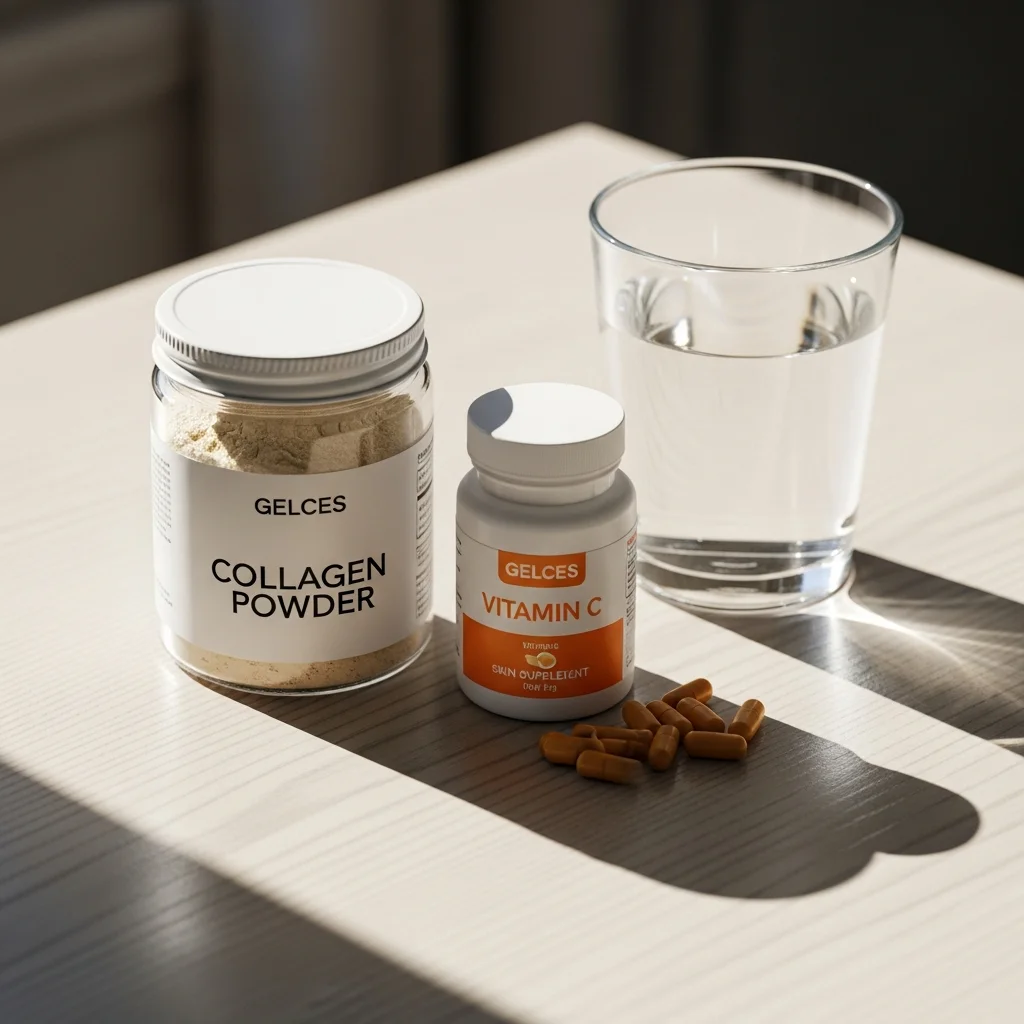
The Science of Skin Longevity in 2026
Skin is the body's largest organ and, unlike most internal tissues, its aging is visible daily — making it a uniquely motivating and trackable target for evidence-based supplementation. Skin aging results from a combination of intrinsic factors (declining collagen synthesis, slower cellular turnover) and extrinsic factors (cumulative UV exposure, oxidative stress, environmental pollutants) that together degrade the dermal matrix and weaken the skin barrier.
The 2026 skin health and longevity stack is built around five compounds addressing complementary layers of skin structure: Collagen Peptides supply the amino acid building blocks and signaling peptides for dermal matrix repair; Vitamin C provides the essential cofactor collagen synthesis cannot proceed without, while doubling as a photoprotective antioxidant; Hyaluronic Acid restores the matrix's water-binding capacity; Astaxanthin defends cell membranes against UV-driven oxidative damage and the collagen-degrading enzymes it triggers; and Phytoceramides reinforce the outermost skin barrier to lock moisture in.
Together, these five compounds target skin health from the inside out — dermal structure, hydration, oxidative defense, and barrier integrity — representing the current best evidence-based approach to supplementally supporting visibly healthier, more resilient skin as part of a broader longevity protocol.
The Core 2026 Skin Health Stack: Collagen Peptides (10–20g) + Vitamin C (500–1,000mg) + Hyaluronic Acid (120–240mg) + Astaxanthin (4–8mg) + Phytoceramides (350mg). Collagen, Vitamin C, and Hyaluronic Acid taken together in the morning; Astaxanthin and Phytoceramides taken with a fat-containing meal. Estimated monthly cost: $80–150.
Stack at a Glance
| # | Supplement | Category | Dose & Timing | Rating |
|---|---|---|---|---|
| #1 | Collagen Peptides (Type I & III) Skin elasticity, hydration & dermal collagen density restoration | Structural Protein / Dermal Matrix Support | 10–20g hydrolyzed collagen peptides Morning with Vitamin C | ★4.8 |
| #2 | Vitamin C (Ascorbic Acid) Collagen synthesis, antioxidant protection & photoaging defense | Antioxidant / Collagen Synthesis Cofactor | 500–1,000mg Morning, alongside collagen peptides | ★4.9 |
| #3 | Hyaluronic Acid Skin hydration, moisture retention & dermal matrix volume | Glycosaminoglycan / Moisture Retention | 120–240mg With any meal | ★4.6 |
| #4 | Astaxanthin Skin texture, photoprotection & antioxidant defense | Carotenoid Antioxidant | 4–8mg With a fat-containing meal | ★4.7 |
| #5 | Phytoceramides Skin barrier repair, moisture retention & reduced transepidermal water loss | Plant-Derived Lipid / Skin Barrier Support | 350mg With a meal | ★4.5 |
Collagen Peptides (Type I & III)
Collagen peptides are the foundation of the 2026 skin health stack, directly supplying the amino acid building blocks and bioactive signaling peptides that drive dermal repair. Collagen naturally declines about 1% per year starting in the mid-20s, and by age 50 the skin has lost roughly 30% of its collagen content — a primary driver of wrinkle formation, sagging, and slower wound healing. The mechanism goes beyond simple protein supply: hydrolyzed collagen is specifically processed for gut absorption, allowing bioactive dipeptides like Pro-Hyp and Hyp-Gly to appear intact in the bloodstream and act as signaling molecules that stimulate dermal fibroblasts to synthesize new collagen and hyaluronic acid. The 2019 Proksch et al. study in Nutrients (n=72 women, 12 weeks) found that a specific bioactive collagen peptide at 2.5g/day significantly improved skin elasticity (p<0.05), hydration, and photoaging-related wrinkle depth versus placebo. A broader 2021 systematic review covering 19 RCTs and over 1,100 participants (Journal of Cosmetic Dermatology, de Miranda et al.) confirmed consistent, dose-dependent improvements in skin hydration and elasticity across collagen-supplemented groups, regardless of source (bovine, marine, or porcine). For the skin health stack, 10–20g of hydrolyzed collagen peptides taken in the morning alongside at least 50–90mg of Vitamin C provides the substrate and cofactor pairing required for optimal dermal collagen cross-linking.
Key Features
- Collagen makes up roughly 75% of the dry weight of skin, forming the structural scaffold of the dermis
- Hydrolyzed peptides reach circulation as bioactive dipeptides (Pro-Hyp, Hyp-Gly) that signal dermal fibroblasts to upregulate their own collagen synthesis
- A 2019 RCT in Nutrients (n=72 women, 12 weeks, 2.5g bioactive collagen peptides) found significantly improved skin elasticity, hydration, and reduced wrinkle depth versus placebo
- A 2021 systematic review of 19 RCTs (Journal of Cosmetic Dermatology) found consistent improvements in skin hydration and elasticity across collagen-supplemented groups
- Co-ingestion with Vitamin C is essential: ascorbic acid is a required cofactor for the prolyl and lysyl hydroxylase enzymes that stabilize the collagen triple helix
Pros & Cons
Pros:
- +The most direct human evidence in this stack for visible skin aging reversal — multiple RCTs confirm measurable elasticity and wrinkle improvements
- +Versatile and practical: unflavored powder dissolves cleanly in coffee, smoothies, or water
- +Dual benefit for joint and connective tissue health alongside skin outcomes
Cons:
- -Results require consistent use for 8–12 weeks; short-term use shows minimal visible change
- -Nearly all collagen supplements are animal-derived (bovine or marine) — no true vegan collagen exists
Vitamin C (Ascorbic Acid)
Vitamin C is the biochemical linchpin of the skin health stack — without it, collagen synthesis simply cannot proceed correctly. Ascorbic acid is a required cofactor for prolyl hydroxylase and lysyl hydroxylase, the two enzymes responsible for hydroxylating proline and lysine residues within procollagen. This hydroxylation step is what allows individual collagen strands to fold into the stable triple-helix structure that gives skin its tensile strength; in Vitamin C deficiency, unhydroxylated collagen is misfolded and rapidly degraded intracellularly before it can ever reach the extracellular matrix — the underlying mechanism behind the skin fragility and poor wound healing seen in scurvy. Beyond synthesis, Vitamin C is one of the most abundant antioxidants in skin tissue, present at markedly higher concentrations in the epidermis than in blood plasma, where it neutralizes UV-generated reactive oxygen species before they can degrade existing collagen and elastin fibers. A large 2007 cross-sectional study in the American Journal of Clinical Nutrition (Cosgrove et al., n=4,025 women aged 40–74) found that higher dietary Vitamin C intake was significantly associated with a lower likelihood of wrinkled appearance and skin dryness. For the skin health stack, 500–1,000mg of Vitamin C taken alongside collagen peptides each morning ensures the enzymatic machinery for collagen cross-linking has the cofactor it requires, while simultaneously defending the dermal matrix from daily oxidative and UV stress.
Key Features
- Essential cofactor for prolyl and lysyl hydroxylase — the enzymes that hydroxylate collagen's proline and lysine residues, stabilizing its triple-helix structure
- Without adequate Vitamin C, newly synthesized collagen is structurally unstable and rapidly degraded — making it a rate-limiting nutrient for skin repair
- A 2007 study in the American Journal of Clinical Nutrition (n=4,025 women) found higher dietary Vitamin C intake was associated with fewer wrinkles and less age-related skin dryness
- Potent water-soluble antioxidant that neutralizes reactive oxygen species generated by UV exposure, directly protecting existing collagen and elastin from photodegradation
- Supports melanin regulation, helping even out UV- and age-related hyperpigmentation over time
Pros & Cons
Pros:
- +The single highest-leverage nutrient for collagen synthesis — without it, collagen peptide supplementation is far less effective
- +Inexpensive and extremely well-studied with a strong long-term safety profile
- +Dual-action: functions as both a structural cofactor and a systemic antioxidant defending skin from oxidative damage
Cons:
- -High doses (>2,000mg/day) can cause GI discomfort, including diarrhea and cramping in sensitive individuals
- -Water-soluble and not stored in the body — requires consistent daily intake rather than occasional high doses
Hyaluronic Acid
Hyaluronic acid is the dermal matrix's master hydration molecule, capable of binding roughly 1,000 times its own weight in water. It exists throughout the extracellular matrix of the skin, where it maintains tissue volume, cushions collagen and elastin fibers, and creates the hydrated environment fibroblasts need to function efficiently. Like collagen, dermal hyaluronic acid content declines with age and chronic UV exposure — a key contributor to the thinning, dryness, and loss of plumpness characteristic of aged skin. While hyaluronic acid is best known as a topical and injectable dermal filler ingredient, oral supplementation with low-molecular-weight formulations has accumulated meaningful human evidence over the past decade. A 2017 randomized, double-blind, placebo-controlled trial in Nutrients (Kawada et al., n=60 healthy adults, 12 weeks) found that oral hyaluronic acid supplementation significantly improved skin hydration and reduced measured wrinkle depth compared to placebo, with effects becoming more pronounced by week 12. The molecular weight of the hyaluronic acid matters considerably for oral efficacy: native hyaluronic acid is a very large polymer poorly absorbed across the gut wall, whereas hydrolyzed, low-molecular-weight forms (typically under 50 kDa) show meaningfully better absorption and downstream skin effects in comparative studies. For the skin health stack, 120–240mg of low-molecular-weight hyaluronic acid taken with a meal complements collagen peptides by addressing the matrix hydration side of skin aging, working in the same extracellular compartment collagen structurally reinforces.
Key Features
- A single gram of hyaluronic acid can bind up to 6 liters of water — it is the dermal matrix's primary moisture-retention molecule
- Skin hyaluronic acid content declines significantly with age and chronic UV exposure, contributing to dryness and volume loss
- A 2017 randomized, double-blind, placebo-controlled study in Nutrients (n=60, 12 weeks) found oral low-molecular-weight hyaluronic acid significantly improved skin hydration and reduced wrinkle depth
- Low-molecular-weight formulations (below ~50 kDa) are more efficiently absorbed across the gut barrier than native high-molecular-weight hyaluronic acid
- Works structurally alongside collagen — hyaluronic acid fills the extracellular matrix "scaffold" that collagen and elastin fibers are embedded within
Pros & Cons
Pros:
- +Directly targets skin hydration and moisture retention, complementing collagen's structural role rather than duplicating it
- +Oral supplementation shows measurable effects on skin hydration within 8–12 weeks in controlled trials
- +Generally very well tolerated with a strong safety record across both oral and injectable use
Cons:
- -Oral bioavailability is lower than injectable or topical hyaluronic acid, though low-molecular-weight forms partially address this
- -Effects on visible wrinkle depth are more modest than collagen peptides in head-to-head evidence
Astaxanthin
Astaxanthin is a red-orange carotenoid pigment, structurally related to beta-carotene but with a distinct membrane-spanning architecture that gives it exceptional antioxidant properties. Unlike Vitamin C, which is water-soluble and works primarily outside cells, or Vitamin E, which sits within a single membrane layer, astaxanthin's elongated molecular structure allows it to span the entire width of a cell membrane — providing simultaneous protection to both the hydrophilic and lipophilic zones where oxidative damage occurs. This structural property underlies its remarkable potency: in vitro assays consistently show astaxanthin quenching singlet oxygen radicals at rates far exceeding Vitamin C, Vitamin E, and beta-carotene. The clinical translation to skin outcomes is well documented: a 2018 double-blind, placebo-controlled trial in the Journal of Clinical Biochemistry and Nutrition (Tominaga et al., n=44 women, 16 weeks) found that 6mg/day of natural astaxanthin significantly improved skin elasticity, reduced wrinkle formation around the eyes, and improved skin texture and moisture content compared to placebo. Mechanistically, astaxanthin reduces UV-induced expression of matrix metalloproteinases (MMPs) — the collagen-degrading enzymes activated by sun exposure — helping preserve the very collagen network that collagen peptides and Vitamin C work to build. For the skin health stack, 4–8mg of natural astaxanthin taken with a fat-containing meal provides sustained photoprotective antioxidant coverage that complements the structural and hydration-focused ingredients in this protocol.
Key Features
- One of the most potent antioxidants identified in nature — laboratory assays show singlet oxygen quenching capacity roughly 6,000× that of Vitamin C
- A 2018 double-blind, placebo-controlled trial in the Journal of Clinical Biochemistry and Nutrition (n=44 women, 16 weeks) found 6mg/day astaxanthin significantly improved skin elasticity, texture, and reduced wrinkle formation versus placebo
- Integrates into cell membranes spanning their full width, providing antioxidant protection across both the hydrophilic and lipophilic membrane layers — a structural advantage over most single-layer antioxidants
- Reduces UV-induced matrix metalloproteinase (MMP) expression, the enzymes responsible for breaking down collagen after sun exposure
- Derived primarily from the microalgae Haematococcus pluvialis; look for natural (not synthetic) astaxanthin for the studied bioactive profile
Pros & Cons
Pros:
- +Addresses photoaging and oxidative skin damage through a distinct mechanism from collagen-support ingredients in this stack
- +Human trial evidence directly measures skin texture and elasticity outcomes, not just biomarkers
- +Fat-soluble carotenoid with a long half-life, supporting sustained antioxidant coverage between doses
Cons:
- -Requires dietary fat for optimal absorption — taking it on an empty stomach significantly reduces bioavailability
- -Higher-quality natural astaxanthin from Haematococcus pluvialis costs more than synthetic alternatives used in aquaculture feed
Phytoceramides
Phytoceramides address a layer of skin health that the rest of this stack does not directly target: the stratum corneum, the outermost barrier layer responsible for preventing water loss and blocking environmental irritants. Ceramides — waxy lipid molecules — comprise roughly half of the lipid content of the stratum corneum, arranged in an ordered "brick and mortar" structure alongside corneocytes (the "bricks") that gives skin its barrier function. As skin ages, and with cumulative exposure to UV radiation, harsh cleansers, and low-humidity environments, ceramide content in the stratum corneum declines, weakening the barrier and leading to increased transepidermal water loss, dryness, and heightened sensitivity. Phytoceramides — plant-derived analogs sourced from wheat, rice, or sweet potato extracts — have been studied as an oral strategy to replenish this barrier lipid pool. A 2013 double-blind, placebo-controlled trial in the Journal of Clinical Biochemistry and Nutrition (Tsuji et al., n=51 women with dry skin, 12 weeks) found that oral phytoceramide supplementation significantly improved skin hydration and reduced transepidermal water loss compared to placebo, with effects proportional to the ceramide dose administered. This mechanism is complementary rather than redundant to hyaluronic acid: where hyaluronic acid actively draws and binds water within the dermis, phytoceramides passively reduce how much water escapes through the skin barrier in the first place. For the skin health stack, 350mg of phytoceramides taken with a meal (for fat-soluble absorption) rounds out the protocol by reinforcing the physical barrier that keeps all the moisture and structural gains from the other four ingredients in place.
Key Features
- Ceramides make up roughly 50% of the lipids in the stratum corneum, forming the "mortar" that holds skin barrier cells together and prevents water loss
- A 2013 double-blind, placebo-controlled study in the Journal of Clinical Biochemistry and Nutrition (n=51 women, 12 weeks) found phytoceramide supplementation significantly improved skin hydration and reduced transepidermal water loss versus placebo
- Derived from plant sources such as wheat, rice, or sweet potato — a non-animal alternative to bovine-derived ceramides
- Age and environmental stressors (UV exposure, harsh cleansers, low humidity) progressively deplete skin ceramide content, weakening the barrier and increasing sensitivity
- A stronger lipid barrier reduces water loss passively, complementing hyaluronic acid's active moisture-binding role in the dermis
Pros & Cons
Pros:
- +Targets the outermost skin barrier layer specifically — a mechanism distinct from every other ingredient in this stack
- +Human trial evidence shows measurable reductions in transepidermal water loss, a direct physiological hydration marker
- +Plant-derived sourcing makes phytoceramides broadly compatible with vegetarian and most vegan diets
Cons:
- -The smallest human evidence base in this stack — fewer large-scale RCTs compared to collagen or Vitamin C
- -Effects are barrier-focused and may be less noticeable for those whose primary concern is wrinkle depth rather than dryness or sensitivity
The 2026 Skin Health Stack: Daily Protocol
Collagen Peptides, Vitamin C, and Hyaluronic Acid are best taken together in the morning, since Vitamin C is required for the collagen cross-linking process to complete correctly. Astaxanthin and Phytoceramides are fat-soluble and should be taken with the fattiest meal of the day for optimal absorption.
| Supplement | Dose | Timing | Notes |
|---|---|---|---|
| Collagen Peptides | 10–20g | Morning with Vitamin C | Dissolve unflavored powder in coffee, smoothie, or water. Consistency over 8–12 weeks matters more than timing precision. |
| Vitamin C | 500–1,000mg | Morning, with collagen peptides | Required cofactor for collagen cross-linking — without it, collagen supplementation is significantly less effective. |
| Hyaluronic Acid | 120–240mg | With any meal | Choose low-molecular-weight (under ~50 kDa) formulations for better gut absorption. |
| Astaxanthin | 4–8mg | With the fattiest meal of the day | Fat-soluble carotenoid — dietary fat significantly improves absorption. Choose natural, algae-derived astaxanthin. |
| Phytoceramides | 350mg | With a meal | Reinforces the outer skin barrier to reduce transepidermal water loss, locking in gains from the other four ingredients. |
Layers of Skin Aging: What Each Supplement Targets
Visible skin aging results from the breakdown of several distinct structural and functional layers. The 2026 skin health stack directly addresses five of the most well-characterized mechanisms:
1. Dermal Matrix Depletion → Collagen Peptides
Collagen provides the structural scaffold of the dermis, and its progressive loss (~1%/year from age 25) is the single largest contributor to sagging, wrinkling, and reduced skin firmness. Collagen Peptides supply both the raw amino acids and the signaling dipeptides that stimulate fibroblasts to rebuild this scaffold.
2. Impaired Collagen Cross-Linking → Vitamin C
Newly synthesized collagen is structurally unstable until it is hydroxylated and cross-linked — a process entirely dependent on Vitamin C as an enzymatic cofactor. Vitamin C ensures collagen production is not just present but properly stabilized, while its antioxidant activity defends existing collagen from UV-driven breakdown.
3. Dermal Dehydration → Hyaluronic Acid
Hyaluronic acid content in the dermis declines with age, reducing the matrix's water-holding capacity and contributing to volume loss and dryness. Hyaluronic Acid supplementation restores the matrix's ability to bind and retain moisture, complementing collagen's structural role.
4. Oxidative & UV Damage → Astaxanthin
UV exposure generates reactive oxygen species that degrade collagen directly and trigger matrix metalloproteinases (MMPs) that accelerate its breakdown. Astaxanthin's membrane-spanning antioxidant activity neutralizes this oxidative cascade at its source, protecting the very collagen network the other ingredients work to build.
5. Skin Barrier Breakdown → Phytoceramides
The stratum corneum's ceramide-rich lipid barrier prevents water loss and blocks environmental irritants, but ceramide content declines with age and environmental stress. Phytoceramides replenish this barrier lipid pool, reducing transepidermal water loss and locking in hydration gained from hyaluronic acid.
Key Research: Human Evidence for Each Compound
Collagen Peptides: Elasticity and Hydration Outcomes
Proksch et al. (2019, Nutrients; n=72 women, 12 weeks, 2.5g bioactive collagen peptides) found significant improvements in skin elasticity, hydration, and wrinkle depth versus placebo. A 2021 systematic review of 19 RCTs and over 1,100 participants (de Miranda et al., Journal of Cosmetic Dermatology) confirmed consistent hydration and elasticity benefits across collagen sources.
Research: Proksch et al. (2019), Nutrients; de Miranda et al. (2021), J Cosmet Dermatol.
Vitamin C: Dietary Intake and Skin Appearance
Cosgrove et al. (2007, American Journal of Clinical Nutrition; n=4,025 women aged 40–74) found higher dietary Vitamin C intake was significantly associated with a lower likelihood of wrinkled skin appearance and dryness, independent of other nutrient intake and sun exposure.
Research: Cosgrove et al. (2007), Am J Clin Nutr.
Hyaluronic Acid: Hydration and Wrinkle Depth
Kawada et al. (2017, Nutrients; n=60, 12 weeks) found oral low-molecular-weight hyaluronic acid significantly improved skin hydration and reduced wrinkle depth in a randomized, double-blind, placebo-controlled trial, with effects most pronounced by the 12-week endpoint.
Research: Kawada et al. (2017), Nutrients.
Astaxanthin: Elasticity and Texture Data
Tominaga et al. (2018, Journal of Clinical Biochemistry and Nutrition; n=44 women, 16 weeks, 6mg/day) found natural astaxanthin significantly improved skin elasticity, wrinkle formation, and texture versus placebo in a double-blind, placebo-controlled design.
Research: Tominaga et al. (2018), J Clin Biochem Nutr.
Phytoceramides: Barrier Function and Water Loss
Tsuji et al. (2013, Journal of Clinical Biochemistry and Nutrition; n=51 women with dry skin, 12 weeks) found oral phytoceramide supplementation significantly improved skin hydration and reduced transepidermal water loss compared to placebo in a double-blind, placebo-controlled trial.
Research: Tsuji et al. (2013), J Clin Biochem Nutr.
Deep Dives: Individual Supplement Reviews
For detailed product comparisons and brand recommendations for key supplements in this stack, see our full review guides:
Frequently Asked Questions
At what age should I start a skin health supplement stack?
Collagen synthesis begins its slow decline around age 25, and evidence suggests earlier intervention preserves more baseline collagen than trying to rebuild it later. That said, meaningful improvements have been documented in trial participants well into their 50s and 60s. A practical approach: start with collagen peptides, Vitamin C, and hyaluronic acid in your late 20s to 30s as preventive support, and add astaxanthin and phytoceramides at any age once photoaging or barrier concerns (dryness, sensitivity) become noticeable.
How long before I notice results?
Most trials in this stack measured outcomes at 8–16 weeks, and that timeline matches real-world experience — skin cell turnover and collagen remodeling are gradual processes. Hyaluronic acid and phytoceramide hydration effects are sometimes noticeable slightly sooner (4–8 weeks), while visible elasticity and wrinkle depth improvements from collagen and astaxanthin typically require the full 8–16 week window with consistent daily use.
Can I take all five supplements together safely?
Yes — all five have no known adverse interactions with each other and target complementary, non-overlapping mechanisms in the skin. They are also generally well tolerated on their own. As with any new supplement regimen, those who are pregnant, breastfeeding, or taking prescription medications should consult a physician before starting, particularly given the high doses of Vitamin C involved.
Do oral supplements actually work as well as topical skincare?
Oral and topical approaches work through different routes and are complementary rather than competing. Topical products (retinoids, Vitamin C serums, hyaluronic acid serums) act primarily on the outermost skin layers and can show faster surface-level results. Oral supplementation works systemically, supplying the building blocks and cofactors needed for the dermis to rebuild its own structure from within — a slower but more foundational process. The strongest evidence-based approach combines both.
What if I can only afford one supplement from this stack?
If budget constrains you to one supplement, Collagen Peptides paired with Vitamin C together offer the strongest and most direct human evidence for visible skin improvement, since Vitamin C is required for the collagen you take to be used correctly. If choosing a single ingredient, Vitamin C provides the best cost-to-benefit ratio given its dual role as both a synthesis cofactor and a systemic antioxidant.
Disclaimer: This content is for informational purposes only and does not constitute medical advice. Always consult a qualified healthcare provider before starting any new supplement regimen, especially if you have underlying health conditions, are pregnant or breastfeeding, or are taking prescription medications. The research cited represents the current evidence base but does not guarantee individual results. Some links on this page are affiliate links; SupliCore may earn a commission on qualifying purchases at no additional cost to you.