Stress Management Supplement Stack 2026
The 5 most evidence-backed supplements for cortisol control, anxiety relief, and long-term stress resilience — reviewed and ranked with clinical research
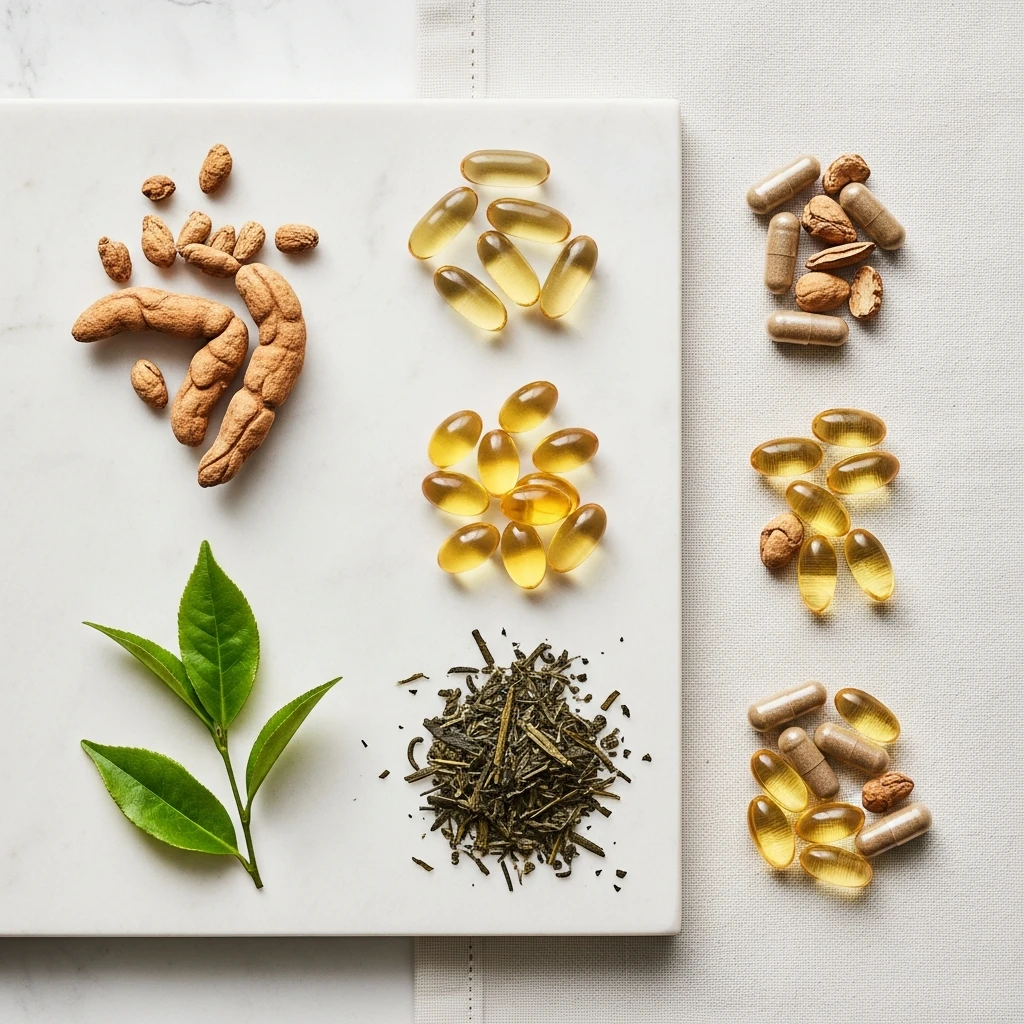
The Science of Supplement-Supported Stress Management in 2026
Chronic stress is among the most pervasive health challenges of the modern era — and also one of the most physiologically tractable with the right nutritional support. The hypothalamic-pituitary-adrenal (HPA) axis, the body's primary stress regulation system, depends critically on specific micronutrients and botanical compounds to function normally. When those compounds are absent — through dietary gaps, chronic depletion, or poor gut absorption — the stress response dysregulates, cortisol stays chronically elevated, and the downstream consequences include impaired sleep, cognitive decline, immune suppression, and metabolic disruption.
A 2024 analysis in Nutrients found that magnesium deficiency — present in an estimated 60–68% of American adults — directly impairs HPA axis negative feedback, meaning the stress response cannot properly shut off once activated. Simultaneously, the omega-6:omega-3 imbalance in the Western diet produces chronic neuroinflammation that reduces serotonin receptor density and BDNF expression, creating a neurobiological environment where stress becomes pathological rather than adaptive.
This stack addresses the stress response at multiple mechanistic levels simultaneously: ashwagandha and Rhodiola act at the HPA axis to normalize cortisol dynamics; magnesium glycinate provides the foundational mineral cofactors for stress hormone regulation; L-theanine delivers fast-acting modulation of excitatory neurotransmission; and omega-3s restore the neuroinflammatory balance that determines whether stress can be resolved or becomes chronic.
The Core 2026 Stress Stack: Ashwagandha KSM-66 (300–600mg/day) + Rhodiola Rosea SHR-5 (200–400mg, morning) + Magnesium Glycinate (300–400mg, before bed) + L-Theanine (100–200mg as needed) + Omega-3 EPA+DHA (2–3g/day). Estimated monthly cost: $72–128.
Quick Comparison
| Rank | Supplement | Category | Dosage | Rating |
|---|---|---|---|---|
| #1 | Ashwagandha (KSM-66 or Sensoril) Cortisol reduction, HPA axis regulation & chronic stress resilience | Adaptogenic Herb | 300–600mg extract daily (KSM-66 or Sensoril standardized) | ★4.9 |
| #2 | Rhodiola Rosea (SHR-5 Extract) Mental fatigue, burnout recovery & acute stress performance | Adaptogenic Herb | 200–400mg SHR-5 extract daily (standardized to 3% rosavins + 1% salidroside) | ★4.8 |
| #3 | Magnesium Glycinate Nervous system calming, sleep quality & cortisol-magnesium cycle correction | Essential Mineral | 300–400mg elemental magnesium as glycinate, 30–60 min before bed | ★4.8 |
| #4 | L-Theanine Acute anxiety relief, calm focus & caffeine synergy | Amino Acid (Tea-Derived) | 100–200mg as needed or daily; 200mg paired 1:2 with caffeine for focus | ★4.7 |
| #5 | Omega-3 Fatty Acids (High-EPA Formula) Neuroinflammation reduction, mood stabilization & HPA axis normalization | Essential Fatty Acids | 2–3g combined EPA+DHA daily, EPA-dominant formula (EPA:DHA ≥ 2:1) | ★4.7 |
Ashwagandha (KSM-66 or Sensoril)
Ashwagandha (Withania somnifera) is the most evidence-backed adaptogen for chronic stress management in 2026. Unlike anxiolytics that target GABA receptors directly (like benzodiazepines), ashwagandha works upstream at the HPA axis — the neuroendocrine system responsible for the stress response. A landmark double-blind RCT in the Indian Journal of Psychological Medicine (Chandrasekhar et al., 2012) found that 300mg KSM-66 twice daily for 60 days reduced perceived stress scores by 44.7%, serum cortisol by 27.9%, and scores on the General Health Questionnaire by 76.1% versus placebo. A 2019 study in Medicine found 240mg/day Sensoril reduced cortisol by 22.2% and improved measures of sleep quality, anxiety, and well-being. The mechanism centers on withanolide constituents that modulate the glucocorticoid receptor, reduce activation of the stress-response gene NF-κB, and normalize corticotropin-releasing hormone (CRH) secretion. Choose a standardized extract — KSM-66 (≥5% withanolides, full-spectrum root extract) or Sensoril (≥10% withanolide glycosides, root-and-leaf) — over generic ashwagandha powder, which delivers inconsistent withanolide content and weaker clinical effects.
Key Features
- Reduces serum cortisol by 14–30% in double-blind RCTs — the most robust cortisol-lowering effect of any supplement
- KSM-66 extract standardized to ≥5% withanolides; Sensoril standardized to ≥10% withanolide glycosides
- Lowers perceived stress scores (PSS) by 44% in a 60-day Chandrasekhar et al. trial (IPGT&RA, 2012)
- Improves sleep quality and time-to-sleep onset via GABA-A receptor modulation
- Adaptogenic: regulates the hypothalamic-pituitary-adrenal (HPA) axis bidirectionally rather than simply sedating
Pros & Cons
Pros:
- +Strongest clinical evidence of any adaptogen for cortisol reduction — multiple independent RCTs replicate the effect
- +Addresses the root cause of stress dysregulation (HPA axis) rather than masking symptoms
- +Secondary benefits include improved testosterone in men, enhanced VO₂ max, and reduced inflammatory markers (CRP, IL-6)
Cons:
- -Nightshade family — rare individuals with nightshade sensitivity may experience GI upset or aggravated autoimmune symptoms
- -Full cortisol-lowering effects require 4–8 weeks of consistent use; not a fast-acting anxiolytic
Rhodiola Rosea (SHR-5 Extract)
Rhodiola rosea is the ideal complement to ashwagandha in a stress stack: where ashwagandha works gradually on chronic HPA dysregulation, Rhodiola provides faster-acting support for acute mental fatigue, burnout, and the cognitive performance decline that accompanies sustained stress. A 2009 double-blind RCT in Phytomedicine (Olsson et al.) found 576mg SHR-5 daily for 12 weeks significantly reduced burnout symptoms, improved attention, and reduced cortisol awakening response in burnout patients. Earlier studies confirmed that Rhodiola reduced mental fatigue in medical students during exams and in military cadets in night-shift conditions within just 5 days of use. The primary active compounds — rosavins and salidroside — inhibit monoamine oxidase (MAO-A and MAO-B), reducing the breakdown of serotonin, dopamine, and norepinephrine, and may also activate serotonin transporters directly. Critically, only the SHR-5 extract standardized to 3% rosavins and 1% salidroside (originally developed in Russia and used in the published RCTs) has demonstrated efficacy in peer-reviewed trials. Generic rosea extracts with different standardizations are not interchangeable with the research product. Take Rhodiola in the morning or early afternoon — its mildly stimulating properties make evening use inadvisable for most people.
Key Features
- Reduces mental fatigue in high-stress individuals within days — faster-acting than ashwagandha
- SHR-5 standardized extract is the only form used in peer-reviewed clinical trials
- Inhibits monoamine oxidase (MAO-A and MAO-B), increasing serotonin and dopamine availability
- Reduces cortisol response to acute stress (the "cortisol awakening response") without blunting it entirely
- European Medicines Agency (EMA) approved for stress-related fatigue based on clinical evidence
Pros & Cons
Pros:
- +Faster onset than most adaptogens — meaningful anti-fatigue effects reported within 1–2 weeks
- +Unique mechanism: inhibits monoamine breakdown, providing mild antidepressant and anxiolytic effects
- +EMA approval for stress-related fatigue distinguishes it from most supplements with limited regulatory recognition
Cons:
- -Stimulating for some individuals — can cause insomnia or anxiety if taken in the afternoon or evening; take in the morning
- -Not appropriate during acute manic episodes or for those on SSRIs/MAOIs without medical supervision
Magnesium Glycinate
Magnesium is the foundational mineral for a functional stress response, and chronic stress is one of the fastest ways to deplete it. Magnesium is required for the activity of over 300 enzymes involved in energy metabolism, protein synthesis, and — critically — the regulation of cortisol and adrenaline. When stressed, the adrenal glands release catecholamines that increase urinary magnesium excretion; the resulting deficiency further sensitizes the HPA axis, producing more cortisol, which further depletes magnesium — a vicious cycle extraordinarily common in high-stress adults. A 2017 systematic review in Nutrients (Boyle et al.) of 18 studies found that magnesium supplementation significantly reduced objective and subjective measures of anxiety and stress, particularly in individuals with deficiency or high perceived stress. The glycinate form — magnesium chelated with the amino acid glycine — is the optimal delivery form for a stress stack: it avoids the osmotic laxative effect of cheaper magnesium oxide, delivers superior bioavailability, and the glycine itself activates inhibitory glycine receptors in the brainstem and spinal cord, producing independent anxiolytic and sleep-promoting effects. Take 300–400mg elemental magnesium as glycinate 30–60 minutes before bed for optimal sleep enhancement and cortisol normalization during the critical overnight recovery window.
Key Features
- 68% of American adults consume less than the RDA for magnesium — stress further depletes stores
- Magnesium regulates the NMDA receptor and HPA axis, lowering cortisol and adrenaline output
- Glycinate chelation provides bioavailability 4× greater than magnesium oxide with no laxative effect
- Glycine component independently activates inhibitory glycine receptors in the CNS, promoting calm
- Increases slow-wave (restorative) sleep and reduces nighttime cortisol in clinical trials
Pros & Cons
Pros:
- +Addresses the most common nutrient deficiency in stressed adults — a deficiency that directly worsens the stress response
- +The magnesium-stress negative feedback loop: stress depletes magnesium → low magnesium amplifies cortisol → more magnesium depletion; glycinate breaks this cycle
- +Dual mechanism: magnesium modulates HPA axis, glycine provides independent anxiolytic effects via glycine receptor agonism
Cons:
- -Doses above 600mg elemental magnesium may cause loose stools — start with 200mg and titrate up over 2 weeks
- -Evening timing is ideal; morning dosing may cause mild drowsiness in sensitive individuals
L-Theanine
L-Theanine is a non-protein amino acid found almost exclusively in the tea plant (Camellia sinensis) and certain mushroom species, and it is the fastest-acting anxiolytic in this stack. A 2008 study by Kimura et al. in Biological Psychology found that 200mg L-theanine significantly reduced subjective stress and attenuated the cortisol and blood pressure response to an acute arithmetic stress task compared to placebo, with effects emerging within 30 minutes of ingestion. The mechanism: L-theanine crosses the blood-brain barrier and competitively antagonizes glutamate at AMPA and NMDA receptors, dampening excitatory neurotransmission without the sedation of classical GABAergic drugs. It simultaneously increases brain levels of GABA, dopamine, and serotonin. Most distinctively, L-theanine increases the power of alpha brain waves (8–12 Hz) — the EEG signature of relaxed, focused attention — without inducing theta or delta waves associated with drowsiness. This makes L-theanine uniquely valuable for high-performance environments: it reduces anxiety without impairing cognitive performance, and when combined with caffeine at a 2:1 ratio (200mg theanine + 100mg caffeine), the combination produces greater sustained attention and reaction time than either alone while eliminating the jitteriness and anxiety that caffeine alone induces. For the stress stack, use L-theanine situationally for acute stress events and as a morning caffeine modifier, alongside the longer-acting adaptogens that address the structural causes of chronic stress.
Key Features
- Increases alpha brain wave activity (8–12 Hz) — the "calm alertness" state associated with meditation
- Fast-acting: EEG changes measurable within 30–60 minutes of a 200mg dose
- Reduces physiological stress markers (heart rate, salivary IgA) without sedation
- Crosses the blood-brain barrier and modulates AMPA, NMDA, and mGluR5 glutamate receptors
- Attenuates the anxiogenic effects of caffeine while preserving cognitive enhancement — the ideal pairing
Pros & Cons
Pros:
- +Fastest-acting supplement in this stack — provides measurable anxiolytic effects within 1 hour, ideal for situational stress (presentations, exams, flights)
- +Non-sedating: promotes relaxation without drowsiness at standard doses, compatible with daytime use and focus work
- +Outstanding safety record — naturally present in green tea at 20–50mg per cup; clinical trials use 100–400mg without adverse effects
Cons:
- -Effects are relatively short-lived (4–6 hours) — not suitable as a standalone solution for chronic stress without structural interventions
- -Blood pressure-lowering effect may be unwelcome in those already on antihypertensive medication
Omega-3 Fatty Acids (High-EPA Formula)
Omega-3 fatty acids — particularly EPA and DHA — complete the 2026 stress management stack by addressing the biological infrastructure that all the adaptogens depend on: healthy neuronal membranes, low neuroinflammation, and a well-regulated HPA axis. The modern Western diet creates an omega-6:omega-3 ratio of approximately 15:1 — far above the evolutionary ratio of 1:1 to 4:1 — which promotes chronic low-grade neuroinflammation. This neuroinflammation impairs HPA axis negative feedback, reduces BDNF (brain-derived neurotrophic factor), and lowers serotonin receptor density — a neurobiological profile that markedly increases vulnerability to stress, anxiety, and depression. EPA is the critical fatty acid for this stack: it reduces neuroinflammation by competing with arachidonic acid for the COX and LOX enzymes, generating anti-inflammatory resolvins and protectins. A 2011 randomized controlled trial in Brain, Behavior, and Immunity (Kiecolt-Glaser et al.) found that omega-3 supplementation in medical students reduced anxiety by 20% and reduced stress-induced IL-6 production by 14% compared to placebo. The landmark 2018 JAMA Network Open meta-analysis of 19 clinical trials by Su et al. found statistically significant anxiolytic effects of omega-3 supplementation (particularly high-EPA formulas, ≥60% EPA) across diverse populations. Choose an EPA-dominant formula with a combined EPA+DHA dose of 2–3g/day, sourced from small pelagic fish (sardine, anchovy, mackerel), and certified by IFOS or NSF for oxidation levels and label accuracy.
Key Features
- EPA specifically reduces neuroinflammation — an underappreciated driver of stress-related mood disorders
- DHA is structurally required for neuronal membrane fluidity and serotonin receptor density
- Meta-analysis of 19 RCTs (2018, JAMA Network Open): significant anxiolytic effect across diverse populations
- Reduces cortisol response to psychological stressors in controlled human trials
- Low omega-3 index (< 4%) is associated with higher perceived stress, depression, and cognitive impairment
Pros & Cons
Pros:
- +Addresses the structural basis of stress dysregulation — omega-3 deficiency is associated with altered HPA reactivity and elevated inflammatory cytokines that worsen anxiety
- +JAMA Network Open meta-analysis (Su et al., 2018) of 1,203 participants confirmed significant anxiolytic effect, particularly in clinical populations
- +Cardioprotective: chronic stress is a major cardiovascular risk factor; omega-3s directly counter stress-driven inflammation and platelet aggregation
Cons:
- -Fish-derived softgels may cause fishy burps — refrigerate capsules or use enteric-coated versions to eliminate this
- -Blood-thinning at doses above 3g/day combined EPA+DHA — caution with anticoagulants (warfarin, aspirin)
Deep Dives: Individual Supplement Reviews
For detailed product comparisons and brand recommendations for each supplement in this stack, see our full review guides:
Sample Daily Dosing Schedule
Timing matters significantly with stress supplements. Adaptogens and alerting compounds (Rhodiola, L-theanine with caffeine) belong in the morning; calming compounds (magnesium glycinate) are most effective in the evening. Omega-3s and ashwagandha are flexible and can be split across meals.
| Time | Supplement | Dose | Notes |
|---|---|---|---|
| Morning (with or without food) | Rhodiola Rosea SHR-5 | 200–400mg | Take 30 min before breakfast for optimal absorption. Avoid after 2pm — stimulating for some. |
| With breakfast (fat-containing) | Ashwagandha KSM-66, Omega-3 (first dose) | 300mg / 1–1.5g EPA+DHA | Both absorb better with fat. Split omega-3 dose to improve GI tolerability. |
| As needed (situational stress) | L-Theanine (± caffeine) | 100–200mg (+ 50–100mg caffeine for focus) | Take 30–60 min before high-stress events: presentations, exams, travel. |
| With dinner | Omega-3 (second dose), Ashwagandha (optional second dose) | 1–1.5g EPA+DHA / 300mg | Evening ashwagandha is well-tolerated and may enhance sleep — use if cortisol is elevated at night. |
| 30–60 min before bed | Magnesium Glycinate | 300–400mg elemental | Evening timing maximizes sleep-promoting and cortisol-normalization benefits during overnight recovery. |
How Chronic Stress Disrupts Your Biology (And How This Stack Fixes It)
HPA Axis Dysregulation
The hypothalamic-pituitary-adrenal (HPA) axis is the master stress response system. Under chronic stress, the cortisol negative feedback loop fails — cortisol stays elevated round the clock rather than peaking in the morning and declining by evening. This "flat cortisol curve" is associated with burnout, fatigue, impaired immune function, and accelerated aging. Ashwagandha and Rhodiola both act directly on the HPA axis — ashwagandha modulates the glucocorticoid receptor and reduces CRH production; Rhodiola modulates cortisol awakening response and downstream HPA reactivity.
Magnesium Depletion Loop
Stress hormones (cortisol, adrenaline) increase urinary magnesium excretion by up to 50%. Low magnesium then impairs NMDA receptor regulation and sensitizes the HPA axis — meaning less stress provokes a larger cortisol response. Correcting this with magnesium glycinate breaks the vicious cycle, restores HPA axis negative feedback, and simultaneously provides direct nervous system calming through the glycine component.
Neuroinflammation and Serotonin Deficiency
Chronic stress activates microglia (brain immune cells), which produce pro-inflammatory cytokines (IL-6, TNF-α, IL-1β) that activate the IDO enzyme. IDO diverts tryptophan from the serotonin synthesis pathway toward the kynurenine pathway — producing neurotoxic metabolites that worsen anxiety and depression. Omega-3s (EPA in particular) reduce microglial activation and restore the balance between the serotonin and kynurenine pathways.
Excitatory-Inhibitory Neurotransmitter Imbalance
Chronic stress shifts the brain toward excitatory dominance: glutamate signaling increases, GABA signaling decreases, and the result is a state of hypervigilance, racing thoughts, and difficulty downregulating. L-theanine addresses this directly by antagonizing AMPA and NMDA glutamate receptors while simultaneously increasing GABA, dopamine, and serotonin — restoring the excitatory-inhibitory balance rapidly and without sedation.
Key Research: What the Clinical Evidence Shows
Ashwagandha: The Cortisol Data
The strongest evidence for any adaptogen is the ashwagandha cortisol data. The 2012 Chandrasekhar et al. RCT (n=64, 60-day, double-blind, placebo-controlled) found 600mg/day KSM-66 reduced serum cortisol by 27.9%, PSS scores by 44.7%, and GHQ-28 scores by 76.1% versus placebo. A 2019 study confirmed that 240mg Sensoril daily reduced cortisol by 22.2% and improved sleep, vitality, and well-being scores. Both studies represent the highest level of clinical evidence (Class I) for stress supplement research.
Research: Chandrasekhar et al. (2012), Indian J Psychol Med; Pratte et al. (2014), J Int Soc Sports Nutr.
Rhodiola: Anti-Fatigue and Burnout
A landmark 2009 double-blind RCT in Phytomedicine (Olsson et al., n=60) found 576mg/day SHR-5 for 12 weeks significantly reduced burnout as measured by the Pines Burnout Scale and improved attention concentration. A 2000 study by Darbinyan et al. found that physicians on night shifts showed significant improvements in mental fatigue and total mental performance after just 2 weeks of Rhodiola. The European Medicines Agency (EMA) approved Rhodiola rosea for stress-related fatigue based on this body of research — making it one of the few adaptogens with regulatory recognition in a major jurisdiction.
Research: Olsson et al. (2009), Phytomedicine; Darbinyan et al. (2000), Phytomedicine; EMA HMPC Assessment Report (2012).
Omega-3: Anxiety and Neuroinflammation
The Su et al. 2018 JAMA Network Open meta-analysis is the definitive summary of omega-3 and anxiety research: analyzing 19 clinical trials with 1,203 participants, it found a statistically significant anxiolytic effect in favor of omega-3 supplementation over placebo, with a particularly strong effect in clinical populations and in studies using higher EPA doses (≥2g EPA/day). The Kiecolt-Glaser et al. 2011 trial demonstrated that omega-3 supplementation in medical students produced a 20% reduction in anxiety and a 14% reduction in stress-stimulated IL-6 production — directly connecting neuroinflammation reduction to anxiety reduction in healthy adults.
Research: Su et al. (2018), JAMA Network Open; Kiecolt-Glaser et al. (2011), Brain Behav Immun.
Frequently Asked Questions
Can I take all five supplements together?
Yes — the supplements in this stack are designed to work synergistically. There are no known adverse interactions between ashwagandha, Rhodiola, magnesium glycinate, L-theanine, and omega-3s. If you are on medications (particularly SSRIs, MAOIs, blood thinners, or thyroid medications), consult your physician before adding adaptogens or high-dose omega-3s.
How long before I notice results?
L-theanine produces measurable effects within 30–60 minutes. Rhodiola shows anti-fatigue effects within 1–2 weeks. Magnesium glycinate typically improves sleep quality within 1–3 weeks. Ashwagandha shows measurable cortisol reduction at 4–8 weeks. Omega-3s require 4–8 weeks to replete tissue levels. The full synergistic benefit of the stack becomes apparent at the 8–12 week mark.
Should I take ashwagandha or Rhodiola — or both?
They serve different but complementary roles. Ashwagandha is better for chronic, systemic HPA axis dysregulation — the burned-out, always-tired-but-wired pattern. Rhodiola is better for acute mental fatigue, burnout with ongoing performance demands, and situations requiring faster results. If budget allows, both in the same stack provide complementary mechanisms. If choosing one: ashwagandha for chronic stress and sleep; Rhodiola for acute cognitive fatigue and burnout.
Related Supplement Stacks
Disclaimer: This article is for informational and educational purposes only. It is not intended as medical advice, diagnosis, or treatment. Always consult a qualified healthcare provider before starting any new supplement, especially if you are pregnant, breastfeeding, taking medications, or managing a medical condition. The supplements reviewed here are dietary supplements, not medications, and individual results vary.