Detoxification Support Guide 2026
How your liver, kidneys, and gut actually detoxify the body — and 5 evidence-based supplements (NAC, Milk Thistle, Alpha-Lipoic Acid, Dandelion Root, Chlorella) that support each step of the process
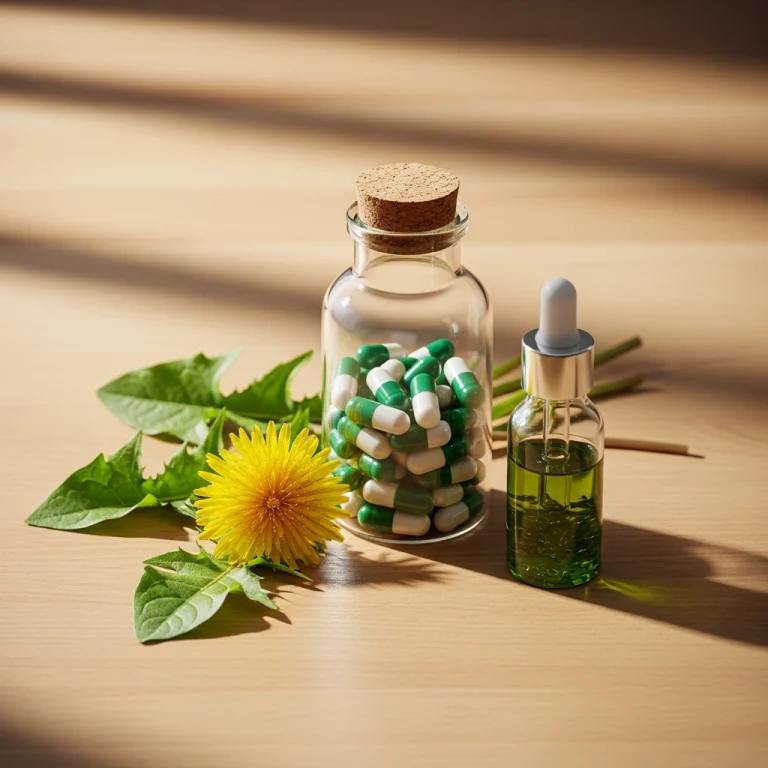
Your Body Already Detoxifies Itself — Here's How
“Detox” is one of the most misunderstood words in wellness marketing. No tea, juice cleanse, or supplement can force toxins out of a healthy body faster than the organs already built to do that job. What supplements and lifestyle choices can do is make sure those organs — primarily the liver, kidneys, gut, and to a lesser degree the lungs and skin — have the raw materials and support they need to run at full capacity, especially under the load of a modern diet, environmental toxin exposure, alcohol, and medications.
The liver performs detoxification in two distinct chemical phases. Phase I uses a family of cytochrome P450 enzymes to oxidize fat-soluble toxins, medications, and metabolic byproducts into intermediate metabolites. Counterintuitively, these intermediates are often more chemically reactive than the original compound — which is exactly why Phase II matters so much: it conjugates those reactive intermediates with molecules like glutathione, glucuronic acid, or sulfate, converting them into water-soluble forms the body can safely excrete via bile or urine. When Phase I outpaces Phase II — common with certain medications, alcohol, or nutrient deficiencies — reactive intermediates can accumulate and cause oxidative stress before they're neutralized.
This guide covers five supplements that support distinct, sequential steps in that process: NAC supplies the rate-limiting raw material for glutathione (Phase II conjugation), milk thistle protects liver cells from oxidative damage during the process, alpha-lipoic acid regenerates other antioxidants and activates the body's own detox gene expression, dandelion root supports the bile flow that carries conjugated toxins out of the liver, and chlorella binds toxins in the gut so they're excreted rather than reabsorbed.
The Detoxification Pathway This Guide Supports:
- Phase I Oxidation — Cytochrome P450 enzymes convert toxins into reactive intermediates
- Phase II Conjugation — Glutathione (fueled by NAC) neutralizes those intermediates
- Cellular Protection — Milk thistle & alpha-lipoic acid guard liver cells & recycle antioxidants
- Elimination — Dandelion root (bile flow) & chlorella (gut binding) carry conjugated toxins out
Estimated monthly cost for a foundational detox support stack: $75–135 depending on brands and forms.
Guide at a Glance
| # | Supplement | Best For | Dose & Timing | Rating |
|---|---|---|---|---|
| #1 | N-Acetylcysteine (NAC) Glutathione Precursor / Phase II Support | Replenishing glutathione, the body's master antioxidant and detox molecule | 600–1,200mg daily, divided into 1–2 doses On an empty stomach, morning and/or evening | ★4.8 |
| #2 | Milk Thistle (Standardized Silymarin Extract) Hepatoprotective Botanical / Liver Cell Defense | Protecting liver cells from oxidative damage during active detoxification | 140–300mg silymarin daily (standardized to 70–80% silymarin), with meals With meals containing fat to improve absorption | ★4.7 |
| #3 | Alpha-Lipoic Acid (ALA) Universal Antioxidant / Heavy Metal Chelation Support | Regenerating other antioxidants and supporting mitochondrial detox capacity | 300–600mg daily, divided into 2 doses On an empty stomach, 30 minutes before meals for best absorption | ★4.5 |
| #4 | Dandelion Root Extract Choleretic Botanical / Bile Flow & Kidney Support | Supporting bile flow and the elimination route toxins take once conjugated | 500–2,000mg dried root extract daily, or 4–10mL tincture divided into 2–3 doses Before meals to stimulate digestive and bile flow | ★4.3 |
| #5 | Chlorella (Broken Cell Wall) Algae / Gut-Level Toxin Binding | Binding certain toxins in the digestive tract to reduce reabsorption | 2–5g daily (roughly 8–20 tablets, depending on potency), building up gradually With meals, split across 2–3 doses | ★4.4 |
N-Acetylcysteine (NAC)
N-Acetylcysteine addresses the single most important rate-limiting step in the body's detoxification machinery: glutathione availability. Glutathione is a tripeptide (glutamine, cysteine, glycine) synthesized inside nearly every cell, and it serves as the primary conjugating molecule in Phase II liver detoxification — the process by which reactive intermediate metabolites produced during Phase I oxidation are neutralized and made water-soluble for excretion via bile or urine. Of the three amino acids needed for glutathione synthesis, cysteine is consistently the scarcest, making it the rate-limiting factor. NAC solves this bottleneck directly: it is rapidly deacetylated in the body to yield free L-cysteine, which is then used to synthesize glutathione on demand. This mechanism is not theoretical — it is the basis for NAC's use as the standard hospital antidote for acetaminophen overdose, where it rapidly restores the glutathione stores that the drug's toxic metabolite (NAPQI) depletes, preventing fatal liver failure. A 2014 systematic review by Mokhtari et al. in the Iranian Journal of Basic Medical Sciences confirmed NAC supplementation reliably raises plasma and tissue glutathione levels across diverse clinical populations, from respiratory disease to psychiatric and metabolic conditions where oxidative stress and glutathione depletion are implicated. For a 2026 detox support protocol, NAC is the foundational supplement because it directly fuels the conjugation step that determines how efficiently the liver can process and clear toxins, medications, and metabolic byproducts.
Key Features
- NAC is a stable, bioavailable precursor to L-cysteine — the rate-limiting amino acid the body needs to synthesize glutathione, its most abundant intracellular antioxidant and the primary conjugating molecule in Phase II liver detoxification
- NAC is the FDA-approved antidote for acetaminophen (Tylenol) overdose, administered in hospitals specifically because it rapidly restores hepatic glutathione stores depleted by the drug's toxic metabolite
- A 2014 systematic review (Mokhtari et al., Iranian Journal of Basic Medical Sciences) found NAC supplementation significantly raised plasma and tissue glutathione levels across multiple clinical populations
- Beyond glutathione synthesis, NAC has direct mucolytic and antioxidant properties, breaking disulfide bonds in mucus and scavenging reactive oxygen species independently of glutathione
- Also functions as a mild chelator of certain heavy metals and supports respiratory and liver tissue during oxidative stress from environmental toxin exposure
Pros & Cons
Pros:
- +The most mechanistically direct way to support Phase II detoxification, since glutathione conjugation is the body's primary pathway for neutralizing and excreting a wide range of toxins and drug metabolites
- +Backed by decades of clinical and hospital use (acetaminophen overdose, chronic bronchitis, contrast-induced nephropathy prevention), giving it one of the strongest human safety and efficacy records of any detox-supporting supplement
- +Effects on glutathione status are measurable in blood work relatively quickly (days to a few weeks) compared to structural or microbiome-based interventions
Cons:
- -Has a distinct sulfurous smell and taste in powder form that some users find unpleasant
- -High doses can cause mild gastrointestinal upset (nausea, stomach discomfort) in sensitive individuals — start at the lower end of the dosage range
Milk Thistle (Standardized Silymarin Extract)
Milk thistle addresses a layer of detoxification support that glutathione precursors alone do not: protecting the liver cells that carry out Phase I and Phase II detoxification from the oxidative damage that process itself can generate. Phase I liver detoxification, driven primarily by cytochrome P450 enzymes, oxidizes fat-soluble toxins, medications, and metabolic byproducts into intermediate metabolites — and counterintuitively, these intermediates are often more reactive and potentially damaging than the original compound until Phase II conjugation neutralizes them. This makes hepatocyte membrane integrity and antioxidant defense essential during active detoxification, which is exactly where silymarin, the flavonolignan complex extracted from milk thistle seeds, does its work. Silymarin stabilizes cell membranes, limiting the entry of toxins into liver cells, while simultaneously scavenging reactive oxygen species generated during Phase I oxidation. The clinical evidence is substantial: a 2017 meta-analysis in the Journal of Gastrointestinal and Liver Diseases pooling 8 randomized controlled trials found silymarin supplementation significantly reduced ALT and AST — the standard blood markers of liver cell stress and damage — compared to placebo. Perhaps the most striking demonstration of silymarin's protective mechanism is its established use as the only evidence-based treatment for Amanita phalloides (death cap mushroom) poisoning, where it works by competitively blocking the same hepatic transport proteins that the mushroom's toxins use to enter liver cells. For a 2026 detoxification support protocol, milk thistle pairs naturally with NAC: NAC fuels the conjugation chemistry of detoxification, while milk thistle protects the cellular machinery performing it.
Key Features
- Silymarin — the flavonolignan complex extracted from milk thistle (Silybum marianum) seeds — stabilizes hepatocyte (liver cell) membranes, limiting the entry of toxins into liver cells during the very process of detoxifying them
- A 2017 meta-analysis in the Journal of Gastrointestinal and Liver Diseases (Zhong et al.), pooling 8 randomized controlled trials, found silymarin significantly reduced ALT and AST liver enzymes — direct markers of liver cell stress — versus placebo
- Silymarin is the only evidence-based treatment for Amanita phalloides (death cap mushroom) poisoning, working by competitively blocking the hepatic uptake transporters that toxins use to enter liver cells
- Has demonstrated antifibrotic activity by inhibiting hepatic stellate cell activation, the process underlying the buildup of scar tissue when the liver is under sustained toxic or metabolic stress
- Complements glutathione-based Phase II support by protecting the liver cells doing the detoxification work, rather than fueling the conjugation reactions directly — a distinct but synergistic mechanism from NAC
Pros & Cons
Pros:
- +One of the most extensively human-researched hepatoprotective botanicals available, with a 2,000+ year history of use and modern clinical trials across NAFLD, alcoholic liver disease, and drug-induced liver injury
- +Works through a genuinely distinct mechanism from glutathione-support supplements — membrane stabilization and cell protection rather than conjugation — making it a strong complement to NAC rather than a redundant addition
- +Well-tolerated with a strong long-term safety record, including in populations with existing liver conditions under medical supervision
Cons:
- -Silymarin has inherently poor water solubility, so standard extracts have limited bioavailability unless taken with a fat-containing meal or formulated as a phytosome complex
- -Individuals allergic to ragweed, daisies, or other Asteraceae family plants may experience cross-reactive allergic responses
Alpha-Lipoic Acid (ALA)
Alpha-lipoic acid occupies a distinctive niche in a detoxification support protocol because of a property almost no other antioxidant shares: it is soluble in both water and fat, allowing it to move freely between the aqueous and lipid environments of the cell rather than being confined to one compartment the way vitamin C (water-soluble) or vitamin E (fat-soluble) are. This dual solubility lets ALA intercept free radicals and reactive oxygen species wherever they form — inside mitochondria, across cell membranes, or in the surrounding cytoplasm — during the oxidative stress that Phase I liver detoxification generates. Beyond its direct antioxidant action, ALA performs a second, arguably more valuable function: it regenerates other antioxidants after they've been oxidized in the process of neutralizing free radicals, restoring active vitamin C, vitamin E, and glutathione back to their reduced, functional forms. A 2011 review in Molecular Aspects of Medicine by Shay et al. further detailed how ALA activates the Nrf2 signaling pathway — the body's master transcription factor controlling the expression of glutathione synthesis enzymes and dozens of other endogenous detoxification proteins — meaning ALA doesn't just supply antioxidant capacity directly, it also upregulates the body's own detox gene expression. ALA also has documented, though still developing, evidence for binding certain heavy metals in experimental models, which has made it a component of some integrative detox protocols, generally used alongside rather than as a replacement for medically supervised chelation when heavy metal toxicity is clinically confirmed. For the 2026 detox support stack, ALA functions as an amplifier: it extends the working life of the other antioxidants in the protocol and switches on the body's own detoxification gene expression, complementing NAC's direct glutathione precursor role and milk thistle's cell-protective action.
Key Features
- Alpha-lipoic acid is unique among antioxidants for being both water- and fat-soluble, allowing it to function throughout the entire cell — inside and outside membranes — unlike most antioxidants that are restricted to one compartment
- ALA directly regenerates other antioxidants after they have been "used up" neutralizing free radicals, including vitamin C, vitamin E, and glutathione itself — earning it the designation of a "universal antioxidant" in redox biology research
- A 2011 review in Molecular Aspects of Medicine (Shay et al.) detailed ALA's role in upregulating the body's own glutathione synthesis machinery via activation of the Nrf2 antioxidant response pathway, compounding its benefit alongside direct glutathione precursors like NAC
- Clinical research supports ALA's use in chelation-adjacent contexts: it has documented affinity for binding certain heavy metals (including mercury and arsenic in experimental models), supporting its inclusion in integrative detox protocols alongside — not in place of — established heavy metal chelation therapy when clinically indicated
- Well studied in diabetic neuropathy at doses of 600mg/day IV and oral, demonstrating meaningful antioxidant activity in human nerve tissue, one of the most metabolically vulnerable tissues to oxidative stress
Pros & Cons
Pros:
- +Its dual water/fat solubility means it provides antioxidant protection across cell membranes and cytoplasm simultaneously — a distinct advantage over single-compartment antioxidants
- +Regenerates and "recycles" other antioxidants (vitamin C, vitamin E, glutathione) rather than simply adding one more independent antioxidant to the stack, amplifying the effect of the rest of a detox-support protocol
- +Activates the Nrf2 pathway, the master genetic switch that upregulates dozens of the body's own detoxification and antioxidant enzymes — a mechanism distinct from directly supplying raw materials like NAC does
Cons:
- -Can cause a drop in blood sugar, particularly in individuals with diabetes or those on blood sugar-lowering medications — monitor glucose levels closely if applicable and consult a physician before combining
- -The R-ALA (natural) form is significantly more bioactive than the cheaper racemic (R/S mixture) form commonly sold, but is also more expensive — checking the label for "R-ALA" or "R-lipoic acid" is important for getting a clinically meaningful dose
Dandelion Root Extract
Dandelion root fills a mechanistic gap that the other three supplements in this guide don't directly address: getting conjugated toxins out of the body once the liver has finished processing them. NAC fuels the glutathione conjugation chemistry, milk thistle protects the liver cells performing that chemistry, and ALA extends antioxidant capacity throughout the process — but conjugated, fat-soluble toxin metabolites still need to be physically transported out of the liver via bile, secreted into the small intestine, and ultimately excreted in stool, or filtered by the kidneys and excreted in urine. Dandelion root is classified pharmacologically as a choleretic, meaning it stimulates the liver to increase bile production and secretion. A broader pharmacological review in the Journal of Ethnopharmacology summarized preclinical evidence that dandelion root extract measurably increases bile secretion and supports gallbladder contraction in animal models — findings consistent with dandelion's centuries of traditional use across European and Asian herbal medicine as a liver and digestive tonic, and with its traditional common name in several languages that translates roughly to "piss-a-bed," referencing its long-recognized mild diuretic effect. That diuretic property has some modern human support as well: a small 2009 pilot study by Clare et al. in the Journal of Alternative and Complementary Medicine found a single dose of dandelion leaf extract measurably increased urinary frequency in healthy volunteers over a 5-hour observation period, consistent with a role in supporting the kidney's route of excreting water-soluble toxin metabolites. It's worth noting that human clinical evidence for dandelion's detox-specific effects remains considerably less developed than for NAC or milk thistle — much of the support is preclinical or based on traditional use patterns rather than large controlled trials — which is why it functions best in this guide as a complementary elimination-support botanical rather than a standalone intervention. For the 2026 detox support protocol, dandelion root is traditionally taken before meals, often alongside or shortly after milk thistle, to support the downstream bile-mediated elimination step that follows liver conjugation.
Key Features
- Dandelion root (Taraxacum officinale) is classified as a choleretic — an agent that stimulates the liver to produce and secrete more bile — which matters because bile is the primary transport vehicle carrying Phase II-conjugated, fat-soluble toxins out of the liver and into the intestines for excretion
- A 2017 pharmacological review in Journal of Ethnopharmacology (Wirngo et al., broader dandelion review) summarized preclinical evidence that dandelion root extract measurably increases bile secretion and supports gallbladder contraction in animal models, consistent with its centuries-long traditional use as a "liver tonic"
- Dandelion has a documented mild diuretic effect in human trials — a small 2009 pilot study (Clare et al., Journal of Alternative and Complementary Medicine) found a single dose of dandelion leaf extract measurably increased urinary frequency in healthy volunteers, supporting the kidney's role in excreting water-soluble, Phase II-conjugated toxin metabolites
- Contains bitter compounds (sesquiterpene lactones) that stimulate digestive secretions generally, which can support the downstream elimination of toxins that have already been processed and conjugated by the liver
- Traditionally paired with milk thistle in "liver support" formulas because the two work at sequential steps: milk thistle protects the liver cells doing the conjugating, dandelion root helps move the conjugated product out via bile
Pros & Cons
Pros:
- +Addresses the elimination step of detoxification — bile flow and diuresis — that glutathione- and antioxidant-focused supplements (NAC, ALA) don't directly target, rounding out the pathway from toxin processing to actual excretion
- +Long history of traditional use as a food and bitter digestive tonic, with a favorable general safety profile in healthy adults at typical doses
- +Inexpensive and available in multiple forms (tea, tincture, capsules), making it easy to fit into different routines
Cons:
- -Human clinical trial evidence for dandelion root's detox-specific effects is considerably thinner than for NAC or milk thistle — much of the mechanistic support comes from animal and preclinical research rather than large human RCTs
- -As a choleretic that increases bile flow, individuals with bile duct obstruction, gallstones, or gallbladder disease should avoid dandelion root or use it only under physician guidance, since increased bile flow against an obstruction can worsen symptoms
Chlorella (Broken Cell Wall)
Chlorella closes an important loop in a comprehensive detoxification support protocol: what happens to toxins after the liver has conjugated them and bile has carried them into the intestine. This step matters more than it might seem, because of a process called enterohepatic recirculation — bile, once secreted into the small intestine, is largely reabsorbed further down the digestive tract and recycled back to the liver for reuse, and any toxins riding along in that bile that aren't bound to something and carried out in stool can be reabsorbed right along with it, effectively undoing some of the liver's detoxification work. Chlorella, a single-celled freshwater algae, has documented binding affinity for certain heavy metals and organic pollutants within the gastrointestinal tract in preclinical research, and a small human study by Nakano et al. found that chlorella supplementation increased fecal excretion of specific persistent organic pollutants in individuals with documented prior exposure, compared to controls — direct evidence that chlorella can help carry bound compounds out of the body rather than allowing them to recirculate. A critical quality detail: chlorella has a rigid cellulose cell wall that human digestive enzymes cannot break down on their own, so raw or unprocessed chlorella largely passes through the gut without releasing its nutrients or engaging its binding properties. Modern supplements address this with mechanical processing — labeled as "broken cell wall" or "cracked cell wall" chlorella — which is essential for the product to be functional; unprocessed chlorella is a poor choice for this purpose. Beyond its binding role, chlorella is exceptionally nutrient-dense, providing chlorophyll, B-vitamins, iron, and protein, which supports general nutritional status during a period of active dietary and supplement-based detox support. In the context of this guide, chlorella functions as the gut-level complement to dandelion root's liver-level bile-stimulation: dandelion root helps get conjugated toxins into the bile and intestine, while chlorella helps ensure they're bound and excreted rather than reabsorbed.
Key Features
- Chlorella is a single-celled freshwater green algae whose rigid cellulose cell wall must be mechanically broken during processing ("broken cell wall" or "cracked cell wall" chlorella) for the nutrients and binding compounds inside to be bioavailable when consumed
- Preclinical and small human studies indicate chlorella can bind certain heavy metals and organic pollutants within the gastrointestinal tract, reducing their reabsorption via enterohepatic recirculation — the process by which bile-excreted toxins can be reabsorbed from the intestine back into circulation if not bound and carried out in stool
- A small human trial (Nakano et al., published in a Japanese toxicology journal) found chlorella supplementation increased fecal excretion of specific persistent organic pollutants in individuals with documented prior exposure, compared to controls not taking chlorella
- Exceptionally nutrient-dense, providing chlorophyll, B-vitamins (including B12 in some strains), iron, and protein alongside its binding properties — supporting overall nutritional status during a period of dietary or lifestyle detox support
- Distinct mechanism from the other four supplements in this guide: rather than acting on liver enzyme pathways, chlorella works primarily in the gut, intercepting toxins before or after they cycle through bile, complementing dandelion root's role in promoting the bile flow that carries toxins to the gut in the first place
Pros & Cons
Pros:
- +Works through a genuinely distinct, gut-level mechanism — physical/chemical binding — rather than another antioxidant or liver-enzyme-focused pathway, adding a complementary layer to a comprehensive detox support protocol
- +Directly supports the "enterohepatic recirculation" problem: without adequate binding capacity in the gut, some toxins that bile carries into the intestine can simply be reabsorbed, partially undoing the liver's detoxification work
- +Nutrient-dense on top of its binding properties, offering B-vitamins, chlorophyll, and protein that support overall health during a detox-focused period
Cons:
- -Must be broken cell wall to be digestible and effective — intact cell wall chlorella passes through the gut largely unbroken down, so label verification matters when choosing a product
- -Can cause green-tinted stool, mild digestive upset, or gas, particularly when starting or at higher doses — begin at a low dose and increase gradually
The 2026 Detox Support Stack: Daily Protocol
These five supplements work at different, sequential points in the detoxification pathway, so their timing differs. NAC and alpha-lipoic acid are best absorbed on an empty stomach; milk thistle needs a fat-containing meal for absorption; dandelion root works best taken before meals to stimulate bile flow; chlorella should be introduced gradually with food.
| Supplement | Dose | Timing | Notes |
|---|---|---|---|
| NAC | 600–1,200mg | Empty stomach, AM and/or PM | Foundational glutathione precursor. Start at the lower end to assess GI tolerance. |
| Milk Thistle (Silymarin) | 140–300mg silymarin | With a fat-containing meal | Fat improves absorption of standard extracts. Give it several weeks before assessing effect. |
| Alpha-Lipoic Acid | 300–600mg | Empty stomach, 30 min before meals, split into 2 doses | Monitor blood sugar if diabetic or on glucose-lowering medication. Prefer R-ALA form. |
| Dandelion Root | 500–2,000mg extract | Before meals, 2–3x daily | Avoid if you have gallstones or bile duct obstruction. Check interactions with diuretics. |
| Chlorella (broken cell wall) | 2–5g | With meals, split into 2–3 doses | Verify "broken/cracked cell wall" on the label. High in vitamin K — check with a physician if on warfarin. |
Lifestyle Factors: The Foundation No Supplement Replaces
Supplements can meaningfully support the detoxification pathways described above, but they operate on top of a foundation set by diet, hydration, sleep, and movement. These factors determine how much raw material and functional capacity your liver, kidneys, and gut have to work with in the first place.
Hydration & Kidney Function
The kidneys filter roughly 180 liters of blood plasma daily, reclaiming what the body needs and excreting water-soluble waste products — including the Phase II-conjugated toxin metabolites the liver has processed — as urine. Chronic mild dehydration reduces the kidneys' filtration efficiency and concentrates urine, which can increase the workload on the entire excretory system. Adequate water intake (commonly cited as roughly half your body weight in ounces, adjusted for activity and climate) is one of the simplest, highest-leverage inputs to overall detoxification capacity.
Dietary Fiber & Gut Elimination
Bile carries Phase II-conjugated, fat-soluble toxins from the liver into the intestine for excretion in stool — but without adequate dietary fiber to bind that material and maintain regular bowel transit, a portion of those toxins can be reabsorbed via enterohepatic recirculation, the same process chlorella helps interrupt. Diets rich in soluble and insoluble fiber (vegetables, legumes, whole grains) support regular elimination and provide fermentable substrate for a healthy gut microbiome, which itself plays a role in metabolizing and neutralizing certain compounds before they're absorbed.
Sleep & the Glymphatic System
While the liver, kidneys, and gut handle systemic detoxification, the brain has its own dedicated waste-clearance system — the glymphatic system — which is significantly more active during deep sleep, clearing metabolic byproducts that accumulate during waking hours. Chronic sleep restriction has been associated with reduced glymphatic clearance efficiency in research settings, making consistent, adequate sleep (7–9 hours) a detox-support input in its own right, distinct from but complementary to liver and kidney function.
Exercise, Sweat & Circulation
Sweating eliminates only a small fraction of the body's toxin load compared to the liver and kidneys — claims that sweating "detoxes" the body of heavy metals or drugs are largely overstated. Where exercise genuinely helps is indirectly: physical activity improves circulation and lymphatic flow (the lymphatic system lacks its own pump and relies on muscle contraction to move fluid), supports liver blood flow, and improves insulin sensitivity and metabolic health generally — all of which reduce the baseline burden on detoxification organs over time.
Reducing the Toxin Load at the Source
The most effective "detox" strategy is often reducing avoidable exposure in the first place, since this directly lowers the workload on the pathways described above: limiting alcohol intake (which competes for and depletes the same liver enzyme and glutathione systems used to process other toxins), minimizing ultra-processed food and added sugar (which can contribute to fatty liver and reduced Phase I/II efficiency over time), and being mindful of unnecessary exposure to household chemical products, are all higher-leverage than any supplement on this list.
Key Research: Human Evidence for Each Supplement
NAC: Glutathione Repletion
Mokhtari et al. (2014, systematic review) found NAC supplementation reliably raised plasma and tissue glutathione levels across diverse clinical populations, consistent with its established hospital use as the antidote for acetaminophen-induced glutathione depletion.
Research: Mokhtari et al. (2014), Iran J Basic Med Sci.
Milk Thistle: Liver Enzyme Markers
Zhong et al. (2017, meta-analysis of 8 RCTs) found silymarin supplementation significantly reduced ALT and AST liver enzymes — direct markers of liver cell stress — compared to placebo.
Research: Zhong et al. (2017), J Gastrointestin Liver Dis.
Alpha-Lipoic Acid: Antioxidant Regeneration & Nrf2 Activation
Shay et al. (2011, review) detailed ALA's dual role in regenerating other antioxidants (vitamin C, vitamin E, glutathione) and activating the Nrf2 pathway that upregulates the body's own detoxification enzyme expression.
Research: Shay et al. (2011), Mol Aspects Med.
Dandelion Root: Bile Flow & Diuresis
Clare et al. (2009, pilot study) found a single dose of dandelion leaf extract measurably increased urinary frequency in healthy volunteers, supporting its traditional use in kidney-mediated elimination.
Research: Clare et al. (2009), J Altern Complement Med.
Chlorella: Gut Toxin Binding & Fecal Excretion
Nakano et al. found chlorella supplementation increased fecal excretion of specific persistent organic pollutants in individuals with documented prior exposure, compared to controls not taking chlorella.
Research: Nakano et al., published toxicology research on chlorella and pollutant excretion.
Frequently Asked Questions
Do I actually need to "detox," or is this marketing?
Your liver, kidneys, and gut detoxify your body continuously without any special intervention — that part of the marketing claim is overstated. What this guide addresses is more precise: supporting the raw materials (like glutathione precursors) and organ function that those systems rely on, particularly under the load of alcohol, medications, a poor diet, or environmental exposures. Think of it as supporting existing capacity, not "flushing out toxins" that would otherwise accumulate indefinitely.
How long until I notice a difference from this stack?
NAC's effect on glutathione status can show up in blood work within days to a couple of weeks. Milk thistle's effect on liver enzyme markers typically takes several weeks to months of consistent use. Alpha-lipoic acid, dandelion root, and chlorella are best evaluated over a similar multi-week timeframe rather than expecting acute, subjective effects — this is a support protocol for ongoing organ function, not a rapid "cleanse."
Can I take all five together, or should I start with fewer?
Most healthy adults can introduce these gradually — for example, starting with NAC and milk thistle for 2–3 weeks before adding alpha-lipoic acid, dandelion root, and chlorella. This makes it easier to identify how you tolerate each one and reduces the odds of digestive adjustment symptoms, particularly from chlorella and dandelion root introduced at full dose immediately.
Is this safe if I have a diagnosed liver or kidney condition?
Consult a physician before starting any of these supplements if you have a diagnosed liver or kidney condition, gallstones or bile duct issues (relevant to dandelion root specifically), diabetes (relevant to alpha-lipoic acid and blood sugar), or take prescription medications that are processed by the liver's detoxification enzymes, since several supplements in this guide can influence how those medications are metabolized.
What's the single highest-impact thing I can do, supplement or not?
Reducing avoidable toxin load at the source — particularly limiting alcohol, which competes directly for the same liver enzyme and glutathione systems this guide's supplements support — combined with adequate hydration, dietary fiber, and sleep, will generally do more for your body's detoxification capacity than any supplement stack alone. The five supplements in this guide work best as support for that foundation, not a replacement for it.
Related Supplement Guides
Best NAC Supplements 2026
Glutathione precursor brands & dosing compared
Best Milk Thistle Supplements 2026
Standard vs. phytosome silymarin extracts
Best Alpha-Lipoic Acid Supplements 2026
R-ALA vs. racemic ALA reviewed
Best Spirulina Supplements 2026
Another nutrient-dense algae, compared to chlorella
Gut Health Supplement Guide 2026
Fiber & microbiome support for gut-level elimination
Best Fiber Supplements 2025
Supports regular elimination & reduces toxin reabsorption
Advanced Sleep Optimization Guide 2026
The brain's own glymphatic clearance system runs on sleep
Heart Health Supplements
Metabolic health reduces baseline detox organ burden
Medical Disclaimer
This guide is for educational purposes only and does not constitute medical advice. It does not describe a "cleanse" or claim to remove toxins that the body cannot otherwise eliminate — it describes nutrients and botanicals with mechanistic and clinical evidence for supporting the liver, kidney, and gut pathways the body already uses. Consult a qualified healthcare provider before beginning a new supplement regimen, especially if you have liver or kidney disease, gallbladder issues, diabetes, take prescription medications, or are pregnant or breastfeeding. Some links on this page are affiliate links; SupliCore may earn a commission on qualifying purchases at no additional cost to you. Supplements are not a substitute for medical treatment and do not prevent, treat, or cure any disease.