Gut-Brain Axis Supplement Guide 2026
How your microbiome talks to your mind — and the psychobiotic probiotics, prebiotic fibers and supportive nutrients with the best evidence for mood, stress resilience and mental clarity
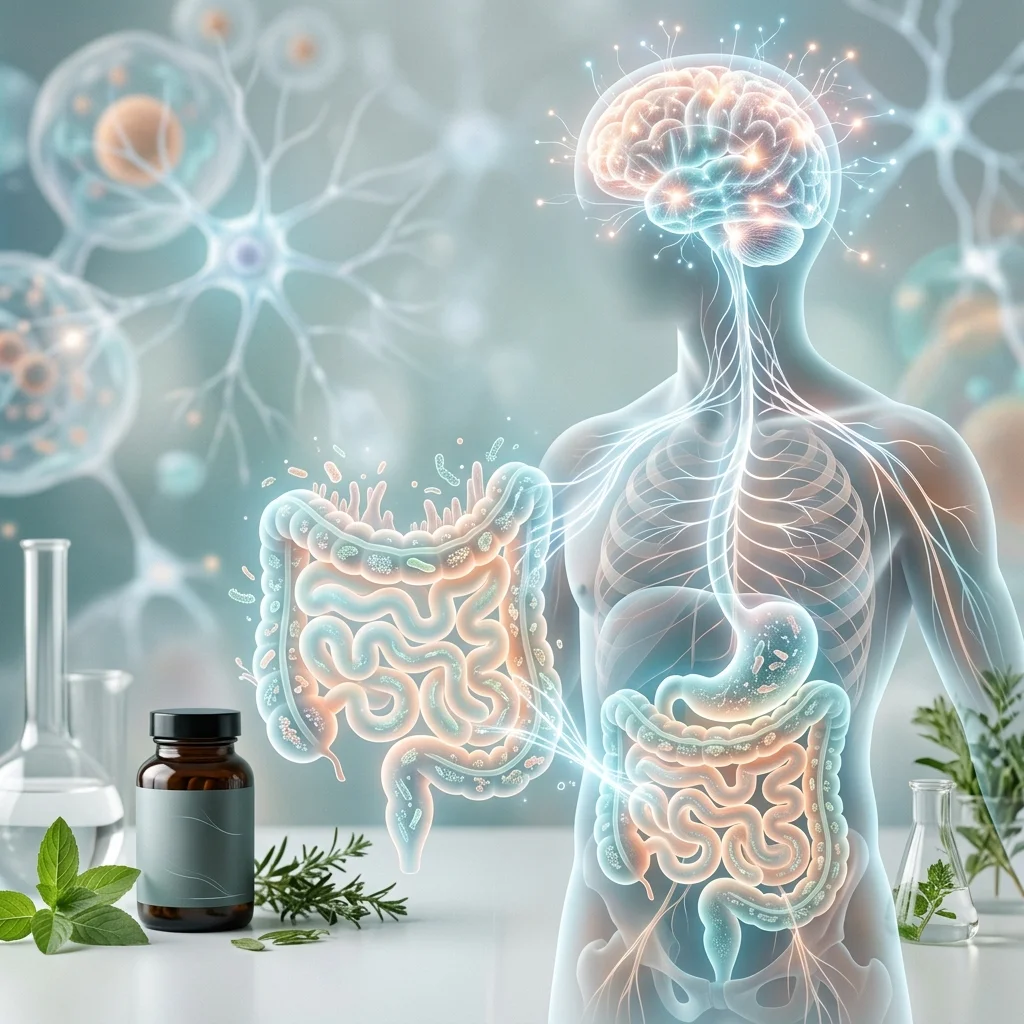
Why the Gut-Brain Axis Matters
The gut-brain axis is no longer a wellness buzzword. It is an established field of neuroscience describing the bidirectional communication network between the central nervous system and the enteric nervous system — the roughly 500 million neurons embedded in the walls of your digestive tract, sometimes called the "second brain." Signals travel in both directions through nerves, hormones, immune messengers and microbial metabolites.
The trillions of microbes in your intestines are active participants in this conversation. They synthesize neurotransmitters, produce short-chain fatty acids, regulate inflammation and help set the tone of your stress response. When the microbial community becomes imbalanced (dysbiosis) or the gut barrier becomes leaky, the downstream effects can include anxiety, low mood, brain fog and poor stress tolerance — which is why people with irritable bowel syndrome, for example, have much higher rates of anxiety and depression.
This guide explains the three primary communication pathways, reviews the probiotic strains ("psychobiotics") with clinical research behind them, covers the prebiotic fibers that fuel them, and lays out the supportive nutrients that protect the gut lining and calm neuroinflammation. We finish with dosing tables and a practical daily protocol.
The Gut-Brain Stack at a Glance:
- Psychobiotics — L. helveticus R0052, B. longum R0175 / 1714, L. rhamnosus, B. infantis 35624
- Prebiotic Fuel — Inulin, FOS, GOS, PHGG, resistant starch
- Barrier & Inflammation Support — L-Glutamine, Zinc, Omega-3, Vitamin D3
- Nervous System Support — Magnesium glycinate, polyphenols
Estimated monthly cost for a complete stack: $50–90 depending on brands and strain selection.
How the Gut Talks to the Brain: The Core Pathways
Four overlapping systems carry information between your gut microbes and your brain. Understanding them explains why different supplements target different problems.
The Vagus Nerve
The vagus nerve is the main physical highway between gut and brain, and roughly 80% of its fibers carry information upward from the gut to the brainstem. Gut microbes and their metabolites (short-chain fatty acids, GABA, bile-acid derivatives) activate vagal afferents in the intestinal wall, influencing brain regions involved in emotion and stress reactivity. In rodent studies, Lactobacillus rhamnosus JB-1 lowered anxiety- and depression-like behavior and altered brain GABA receptor expression — effects that disappeared when the vagus nerve was cut. Human data suggest vagal tone (measured by heart-rate variability) is also linked to gut microbial diversity.
Neurotransmitter Production
Roughly 90% of the body's serotonin is synthesized in the gut by enterochromaffin cells, and microbes regulate that process by signaling through spore-forming bacteria and short-chain fatty acids. Gut bacteria such as Lactobacillus and Bifidobacterium species also produce GABA directly, while others influence tryptophan availability — the amino-acid precursor for serotonin, and the kynurenine pathway that can divert it toward neuroinflammatory metabolites. Gut-derived serotonin does not cross the blood-brain barrier, but it shapes vagal signaling, gut motility and the tryptophan supply that reaches the brain.
Immune System Modulation
About 70% of immune tissue sits in the gut. When the intestinal barrier is compromised, bacterial components such as lipopolysaccharide (LPS) can enter circulation and raise systemic inflammatory markers (IL-6, TNF-alpha, CRP). Chronic low-grade inflammation is associated with depressed mood, fatigue and cognitive fog, and inflammatory cytokines can activate microglia in the brain. Beneficial bacteria support barrier integrity, train regulatory T-cells and produce butyrate, an anti-inflammatory short-chain fatty acid that fuels colon cells and strengthens tight junctions.
The HPA Stress Axis
The gut-brain axis is tightly coupled to the hypothalamic-pituitary-adrenal (HPA) axis. Germ-free mice show exaggerated cortisol responses to stress that can be partially normalized by early-life colonization with Bifidobacterium infantis. In turn, chronic stress alters gut motility, permeability and microbial composition — a feedback loop that explains why stress so often shows up as digestive symptoms, and why gut-directed interventions can change stress physiology.
Signs Your Gut-Brain Axis May Need Support:
- Stress or anxiety that consistently shows up as digestive symptoms (or vice versa)
- Brain fog, low motivation or fatigue alongside bloating or irregular digestion
- Mood changes after antibiotics, illness or long periods of poor diet
- Known food sensitivities, IBS-type symptoms or frequent infections
Psychobiotic Probiotic Strains: What the Research Shows
The term "psychobiotic" describes live organisms that, when ingested in adequate amounts, produce a mental-health benefit. Effects are strain-specific — the genus and species on the label are not enough. Look for products that list the full strain designation (for example, L. helveticus R0052) and a CFU count guaranteed through expiration.
Lactobacillus helveticus R0052 + Bifidobacterium longum R0175
Mechanism: Reduces HPA-axis activation, supports gut barrier integrity and lowers inflammatory signaling. Marketed as the Probio'Stick / Cerebiome combination.
Research Support:
A 30-day double-blind RCT in healthy volunteers (Messaoudi et al., British Journal of Nutrition, 2011) found the combination significantly reduced urinary free cortisol and improved scores on the Hospital Anxiety and Depression Scale and the Hopkins Symptom Checklist versus placebo. A later trial in people with low mood reported improvements in depressive symptoms over 8 weeks when combined with standard care.
Typical Dose: 3 billion CFU/day (typically 2.4 billion L. helveticus + 0.6 billion B. longum)
Bifidobacterium longum 1714
Mechanism: Modulates neural activity and cortisol response, with effects on frontal-lobe EEG and sleep-related measures in human studies.
Research Support:
In a randomized, placebo-controlled study (Allen et al., Translational Psychiatry, 2016), 4 weeks of B. longum 1714 lowered cortisol output and perceived stress during a social stress test and improved visuospatial memory performance in healthy adults.
Typical Dose: 1 billion CFU/day
Lactobacillus rhamnosus (JB-1 / GG)
Mechanism: Shown in preclinical work to alter GABA receptor expression in the brain via the vagus nerve and to lower stress-induced corticosterone. L. rhamnosus GG also strengthens tight junctions in the gut barrier.
Research Support:
The vagus-dependent effects of JB-1 are among the most cited preclinical findings in the field (Bravo et al., PNAS, 2011). Human evidence is earlier: small trials of L. rhamnosus strains report reductions in perceived stress and anxiety scores, and GG has a strong body of evidence for gut-barrier and infection-related outcomes.
Typical Dose: 1–10 billion CFU/day
Bifidobacterium infantis 35624
Mechanism: Promotes regulatory T-cell activity and lowers systemic pro-inflammatory markers (IL-6, TNF-alpha, CRP), which are linked to mood and fatigue.
Research Support:
Trials in IBS show B. infantis 35624 improves abdominal pain, bloating and bowel habit, with a notable reduction in plasma IL-6. Because gut symptoms and anxiety frequently co-occur, this strain is a practical pick for people whose mood and digestion both suffer.
Typical Dose: 1 billion CFU/day
Lactobacillus plantarum PS128
Mechanism: Studied in a "psychobiotic" context for raising dopamine and serotonin activity in rodent brain regions and for reducing stress-related behavior.
Research Support:
Small human trials (primarily in Taiwan) report improvements in anxiety, sleep quality and stress-related scores in healthy adults and athletes. Promising, but sample sizes are small — treat as emerging evidence.
Typical Dose: 10 billion CFU/day
Lactobacillus casei Shirota
Mechanism: Supports microbial balance and lowers stress-related gut symptoms and cortisol response.
Research Support:
A Japanese study of medical students under exam stress (Kato-Kataoka et al., 2016) found daily L. casei Shirota prevented the rise in cortisol and reduced stress-related abdominal symptoms compared with placebo.
Typical Dose: ~100 billion CFU/day in the studied fermented-milk format
Evidence note: Much of the mechanistic evidence comes from animal studies, and human trials are typically small and short (4–12 weeks). Psychobiotics are best viewed as supportive tools alongside sleep, exercise, diet and — where needed — professional mental-health care, not replacements for treatment.
Prebiotics: Feeding the Good Guys
Probiotics are visitors; prebiotics feed the residents. These non-digestible fibers are fermented by gut bacteria into short-chain fatty acids — acetate, propionate and especially butyrate — which strengthen the gut barrier, lower inflammation and signal to the brain. Start low and increase gradually over 2–3 weeks to minimize gas and bloating.
Inulin
A chicory-root fructan that selectively feeds Bifidobacteria and boosts butyrate production. Effective at relatively low doses.
Dosage: 3–5g/day, build up slowly to 8–10g
FOS (Fructooligosaccharides)
Shorter-chain fructans that ferment quickly in the proximal colon. A 2015 study from Oxford (Schmidt et al.) found FOS and B-GOS lowered the salivary cortisol awakening response in healthy volunteers.
Dosage: 2.5–5g/day
GOS (Galactooligosaccharides)
Among the best-studied prebiotics for anxiety. In the Oxford study, B-GOS (Bimuno) lowered waking cortisol and shifted attention away from negative stimuli. Also strongly bifidogenic.
Dosage: 2–5g/day
Partially Hydrolyzed Guar Gum (PHGG)
A gentle, low-gas soluble fiber that increases butyrate and stool regularity. A good option for people sensitive to inulin or FOS.
Dosage: 5g/day
Resistant Starch / Acacia Fiber
Fermentable fibers that feed butyrate producers such as Faecalibacterium and Roseburia, supporting the colon lining and anti-inflammatory signaling.
Dosage: 5–10g/day
Supportive Nutrients for Gut, Immune and Brain Health
Beyond bacteria and fiber, several nutrients protect the intestinal lining, calm inflammation and support the nervous system that receives gut signals.
Omega-3 Fatty Acids (EPA/DHA)
Omega-3s form neuronal membranes, resolve inflammation through specialized pro-resolving mediators, and appear to increase microbial diversity and butyrate-producing bacteria. A 2022 meta-analysis of randomized trials found EPA-dominant formulas significantly reduced depressive symptoms, and omega-3 supplementation has been associated with lower anxiety scores in medical students.
Dosage: 1–3g combined EPA+DHA daily, with a meal; EPA-dominant for mood
View Omega-3 Supplements on AmazonMagnesium (Glycinate)
Magnesium supports gut motility, calms NMDA-receptor-mediated excitability, and is a cofactor in serotonin and GABA pathways. Low magnesium intake is associated with higher stress reactivity, and animal work links magnesium status to microbiome composition. Glycinate is well tolerated and avoids the laxative effect of citrate and oxide.
Dosage: 200–400mg elemental magnesium in the evening
View Magnesium Glycinate on AmazonL-Glutamine
Glutamine is the preferred fuel of enterocytes, the cells lining your small intestine. It supports tight-junction proteins and mucosal repair, which helps limit the LPS leakage that drives neuroinflammation. It is also a precursor to glutamate and GABA in the brain. Evidence is strongest in people with increased permeability from intense exercise, illness or critical care; benefits in healthy people are more modest.
Dosage: 5g once or twice daily, away from high-protein meals if you wish to maximize gut uptake
View L-Glutamine on AmazonVitamin D3
Vitamin D receptors are expressed throughout the gut and immune system. Adequate vitamin D supports barrier function and antimicrobial peptide production, and low levels are associated with both dysbiosis and depressed mood. Test 25(OH)D and dose accordingly.
Dosage: 1,000–4,000 IU/day; target 40–60 ng/mL
View Vitamin D3 + K2 on AmazonZinc (Bisglycinate)
Zinc is essential for tight-junction integrity and mucosal immunity, and low zinc status is common in people with chronic gut conditions. It also modulates NMDA and GABA signaling in the brain.
Dosage: 15–25mg/day with food; add 1–2mg copper for long-term use
View Zinc Supplements on AmazonPolyphenols (Curcumin, Green Tea, Berry Extracts)
Most polyphenols reach the colon unabsorbed, where microbes convert them into bioactive metabolites and they in turn feed beneficial bacteria. Curcumin, EGCG and blueberry or pomegranate extracts have shown prebiotic-like effects and anti-inflammatory activity relevant to mood.
Dosage: Follow product labels; take curcumin with piperine or in a phytosome form
View Curcumin Supplements on AmazonGut-Brain Supplement Comparison Table
| Supplement | Primary Target | Typical Dose | Time to Effect | Evidence |
|---|---|---|---|---|
| L. helveticus R0052 + B. longum R0175 | Stress, cortisol, anxiety | 3 billion CFU | 3–4 weeks | Moderate (human RCTs) |
| B. longum 1714 | Stress resilience, memory | 1 billion CFU | 4 weeks | Moderate |
| L. rhamnosus | GABA signaling, gut barrier | 1–10 billion CFU | 4–8 weeks | Preclinical + early human |
| B. infantis 35624 | Inflammation, IBS symptoms | 1 billion CFU | 4 weeks | Moderate (IBS RCTs) |
| Inulin / FOS / GOS | Bifidobacteria, butyrate, cortisol | 3–5g | 2–4 weeks | Moderate |
| Omega-3 EPA/DHA | Neuroinflammation, mood | 1–3g | 6–12 weeks | Strong |
| Magnesium glycinate | Nervous system, motility | 200–400mg | 1–4 weeks | Moderate |
| L-Glutamine | Gut lining repair | 5–10g | 2–4 weeks | Moderate (specific groups) |
| Vitamin D3 | Barrier and immune function | 1,000–4,000 IU | 8–12 weeks | Moderate |
| Zinc bisglycinate | Tight junctions, immunity | 15–25mg | 4–8 weeks | Moderate |
Practical Daily and Evening Protocols
Consistency beats complexity. Introduce one new product every few days, starting with the prebiotic at a very low dose, so that any side effect is easy to trace.
| Time | Supplement | With/Without Food |
|---|---|---|
| Morning | Psychobiotic probiotic (L. helveticus + B. longum) | Follow label; most do well 30 min before breakfast or with a light meal |
| Breakfast | Omega-3 EPA/DHA · Vitamin D3 · Zinc | With food (fat-soluble and mineral absorption) |
| Mid-day | Prebiotic fiber (inulin / GOS / PHGG) in water or a smoothie | Any time; increase dose slowly |
| Afternoon | L-Glutamine (5g) | Between meals |
| Evening | Magnesium glycinate (200–400mg) | 30–60 minutes before sleep |
| Evening (optional) | Second glutamine dose · Polyphenol (curcumin) with dinner | With meal for curcumin |
The Evening Gut-Calm Routine
The gut is highly responsive to circadian rhythm and the parasympathetic ("rest-and-digest") state driven by the vagus nerve. An evening routine that supports vagal tone may improve both sleep and next-day digestion:
- Finish eating 2–3 hours before bed to allow the migrating motor complex to clear the small intestine overnight.
- Take magnesium glycinate 30–60 minutes before sleep.
- Practice 5 minutes of slow diaphragmatic breathing (about 6 breaths per minute) or humming — both stimulate the vagus nerve.
- Keep your sleep and wake times consistent; irregular sleep measurably shifts microbiome composition.
What to Expect
- Weeks 1–2: Possible mild gas or bloating as the microbiome adapts. Improvements in regularity may appear first.
- Weeks 3–4: Stress-related effects from psychobiotics and prebiotics typically begin to emerge in trials.
- Weeks 8–12: Omega-3, vitamin D and zinc effects on mood and inflammation become measurable. Reassess and adjust.
Food and Lifestyle Foundations
Supplements work best on top of a gut-friendly base. The strongest dietary evidence for mental health comes from Mediterranean-style eating, such as the 2017 SMILES trial, where a dietary intervention reduced depressive symptoms in people with major depression.
Eat more
Diverse plants (aim for 30 different types per week), fermented foods such as yogurt, kefir, kimchi and sauerkraut, legumes, oats, berries, olive oil and oily fish.
Limit
Ultra-processed foods, emulsifiers, high added sugar, heavy alcohol and unnecessary antibiotic or acid-suppressing drug use (discuss with your doctor).
Move
Regular aerobic exercise is associated with greater microbial diversity and more butyrate-producing bacteria.
Recover
Manage chronic stress and protect sleep — both change gut permeability and microbial composition.
Safety Considerations
Immune Compromise and Serious Illness
People who are immunocompromised, critically ill, have central venous catheters or have had recent gut surgery should not take probiotics without physician guidance, as rare cases of bacteremia have been reported.
SIBO and Fermentable Fibers
If you suspect small intestinal bacterial overgrowth (SIBO) or have significant IBS, prebiotics such as inulin and FOS can worsen bloating. Consider starting with PHGG or working with a clinician.
Medications
Omega-3 at high doses can affect bleeding risk with anticoagulants; magnesium can reduce absorption of some antibiotics and thyroid medication (separate by 4 hours); and if you take antidepressants or anti-anxiety medication, discuss psychobiotics with your prescriber and never stop prescribed medication on your own.
Persistent Symptoms
Blood in stool, unexplained weight loss, persistent abdominal pain or severe depression and anxiety require medical evaluation — not supplements.
Related Guides
Best Probiotic Supplements 2026
Our top-rated probiotic products compared by strain, CFU count and value.
Gut Health & Probiotics Guide 2026
A broader look at digestion, microbiome balance and probiotic selection.
Cognitive Longevity & Brain Health Guide
Evidence-based supplements for long-term memory, focus and neuroprotection.
Stress Management Supplement Stack 2026
Adaptogens, magnesium and L-theanine for a calmer stress response.
Best Glutamine Supplements 2025
Reviews of L-glutamine powders for gut lining and recovery support.
Best Magnesium Supplements 2026
Glycinate vs. citrate vs. threonate — which form is right for you?
Medical Disclaimer: This guide is for informational and educational purposes only. It is not intended as medical advice, diagnosis, or treatment. Always consult a qualified healthcare provider before starting any new supplement, especially if you are pregnant, nursing, immunocompromised, have a medical condition, or are taking prescription medications. Individual needs vary — what works for one person may not be appropriate for another.
Affiliate Disclosure: SupliCore is a participant in the Amazon Services LLC Associates Program. As an Amazon Associate we earn from qualifying purchases made through links on this page, at no additional cost to you.