Immune Defense Guide 2026
A comprehensive, evidence-based guide to the best supplements, dietary strategies, and lifestyle habits for building and maintaining a resilient immune system year-round
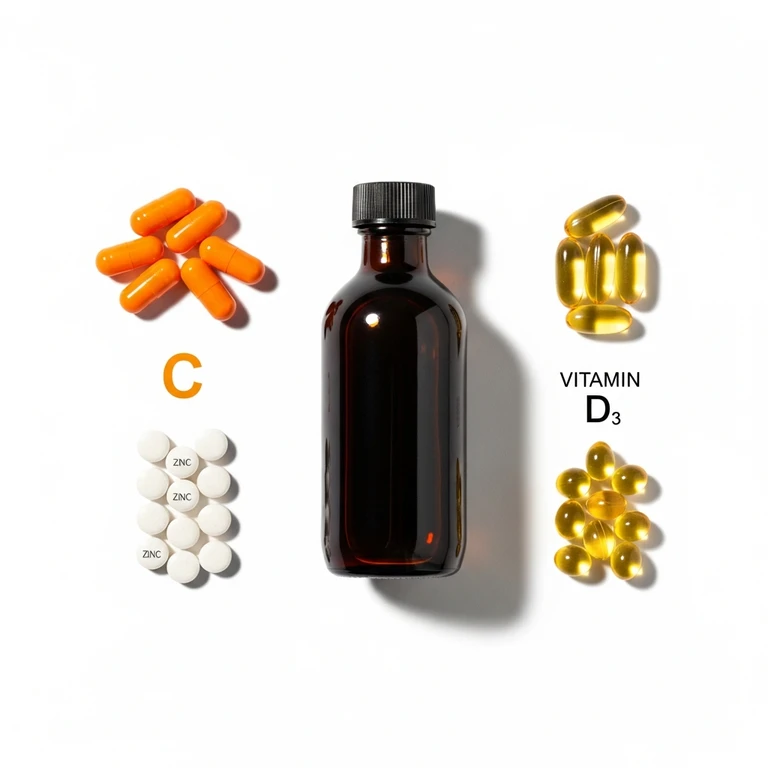
Why Most Immune Advice Falls Short
The immune system is not a single organ — it is an intricate network of cells, proteins, and signaling molecules that constantly adapts to threats. That complexity is why simplistic advice like “take vitamin C when you feel sick” leaves most people perpetually under-defended. True immune resilience requires a multi-layered strategy that addresses the nutritional deficiencies, lifestyle factors, and microbial ecosystems that govern how well your immune system performs.
Research published in Nature Reviews Immunology (2025) found that up to 40% of adults in developed nations have at least one immune-relevant micronutrient deficiency — most commonly vitamin D, zinc, and selenium — even among people who consider themselves to eat well. These are not fringe deficiencies; they directly impair T-cell activation, natural killer (NK) cell function, and antibody production.
This guide cuts through the noise. We cover the six most evidence-backed immune supplements with their mechanisms, research, and optimal dosing, followed by the dietary patterns and lifestyle pillars — sleep, stress management, exercise, and hygiene — that determine whether your immune system is in peak condition or perpetually compromised.
The Four Pillars of Immune Defense:
- Core Immune Nutrients — Vitamin D3+K2, Zinc, Vitamin C, Selenium
- Botanical & Antiviral Support — Elderberry, Black Seed Oil, Quercetin
- Gut-Immune Axis — Probiotics, Prebiotics, Omega-3 EPA+DHA
- Lifestyle Optimization — Sleep, Stress, Exercise, Diet
Estimated monthly cost for a foundational immune stack: $45–75 depending on brands and priorities.
Pillar 1: Core Immune Nutrients
These are the micronutrients most likely to be deficient in modern diets, and the ones with the strongest evidence for direct immune function. Correcting deficiencies in these nutrients typically produces measurable improvements in immune markers within 4–8 weeks.
Vitamin D3 + K2 — The Master Immune Regulator
Vitamin D3 is arguably the most important immune nutrient, functioning more like a hormone than a vitamin. Every immune cell — T cells, B cells, macrophages, dendritic cells — expresses vitamin D receptors. Without adequate D3, these cells cannot activate properly. Epidemiological data consistently links low vitamin D levels (below 30 ng/mL) with increased susceptibility to respiratory infections, autoimmune conditions, and reduced vaccine efficacy.
Research Support:
- Respiratory Infections: A 2017 meta-analysis of 25 RCTs in the British Medical Journal (Martineau et al.) found that vitamin D supplementation reduced the risk of acute respiratory infections by 12% overall, with a 70% reduction in those with severe baseline deficiency.
- Innate Immunity: Vitamin D3 directly induces the expression of antimicrobial peptides — cathelicidin and defensins — in macrophages and epithelial cells. These are front-line defenders against bacteria and viruses.
- Immune Modulation: D3 promotes T-regulatory cell activity, helping to prevent the immune over-activation (cytokine storm) that drives severe respiratory illness. This dual role — boosting defense while tempering inflammation — makes it uniquely valuable.
- K2 Synergy: Vitamin K2 (MK-7) ensures calcium directed by D3 goes to bones and teeth rather than soft tissues. Always pair D3 with K2 when supplementing above 2,000 IU/day.
Dosage: 2,000–5,000 IU vitamin D3 daily with 90–180mcg K2 (MK-7). Test serum 25(OH)D and aim for 40–60 ng/mL.
Best taken: With a meal containing fat (D3 is fat-soluble). Morning or afternoon — not at night, as it may affect sleep.
View Vitamin D3 + K2 Supplements on AmazonZinc — T-Cell Gatekeeper and Antiviral Shield
Zinc is essential for the development and function of T lymphocytes, natural killer cells, and neutrophils. It directly inhibits the replication of several RNA viruses (including rhinoviruses) by blocking viral RNA-dependent RNA polymerase. Even mild zinc deficiency — affecting an estimated 17% of the global population — significantly impairs both innate and adaptive immunity.
Research Support:
- Cold Duration: A Cochrane review of 18 trials found zinc lozenges or syrup started within 24 hours of symptom onset reduced the duration of the common cold by 33% (Hemilä et al.).
- Thymus Function: Zinc is required for thymulin — a thymus hormone essential for T-cell maturation. Zinc deficiency causes thymic atrophy and impairs T-cell output, particularly in older adults.
- Antioxidant Defense: Zinc is a structural component of superoxide dismutase (SOD), a key antioxidant enzyme that protects immune cells from oxidative damage during active infection.
Daily maintenance: 15–25mg elemental zinc. During illness: zinc acetate or gluconate lozenges (75–100mg/day elemental zinc) for up to 5 days.
Best form: Zinc bisglycinate or picolinate for daily use. Zinc acetate lozenges for acute illness. Supplement long-term zinc with 1–2mg copper to prevent depletion.
View Zinc Supplements on AmazonVitamin C — Antioxidant Armor and Neutrophil Fuel
Vitamin C is the most studied immune nutrient in history — and also the most misunderstood. It does not meaningfully prevent colds in the general population, but it does significantly reduce cold duration and severity. More importantly, vitamin C is essential for neutrophil and phagocyte function: immune cells concentrate vitamin C to levels 50–100× higher than plasma, using it to generate oxidative bursts that kill pathogens while protecting themselves from the resulting reactive oxygen species.
Research Support:
- Cold Duration: A meta-analysis of 29 trials (Hemilä, Cochrane 2023) found regular vitamin C supplementation reduced cold duration by 8% in adults and 14% in children. In people under extreme physical stress (marathon runners, military recruits), prevention rates were 50%.
- Collagen & Barrier Function: Vitamin C is required for collagen synthesis — including the collagen in skin and mucosal membranes that form the physical barrier against pathogens. Deficiency leads to compromised barrier integrity before any cellular immune effects appear.
- Antiviral Mechanism: Vitamin C enhances interferon production, the signaling molecule that triggers antiviral defenses in uninfected cells neighboring an infected cell. High-dose IV vitamin C has shown benefit in ICU patients with sepsis in multiple RCTs.
Dosage: 500–1,000mg/day for maintenance. At first sign of illness: 1,000–2,000mg every 4–6 hours (to bowel tolerance), then taper.
Best form: Liposomal vitamin C has dramatically higher bioavailability than standard ascorbic acid, especially at higher doses. Buffered vitamin C (sodium ascorbate) is gentler on the stomach.
View Vitamin C Supplements on AmazonPillar 2: Botanical & Antiviral Support
Plants have evolved sophisticated biochemical defenses against viruses and bacteria over millions of years. Several of these compounds have been extensively studied and show clinically meaningful effects in humans — particularly for shortening illness duration and reducing severity.
Elderberry (Sambucus nigra) — Antiviral Powerhouse
Elderberry extract (standardized to anthocyanins) has become one of the most studied botanical immune supplements. Its mechanism is multifaceted: anthocyanins physically bind to and inhibit hemagglutinin proteins on influenza virions, preventing them from attaching to host cells. Additionally, elderberry stimulates cytokine production in monocytes, accelerating the immune response in the early stages of infection.
Research Support:
- Flu Duration: A double-blind RCT published in the Journal of International Medical Research found elderberry extract (Sambucol) reduced influenza A and B duration by an average of 4 days versus 8 days in the placebo group.
- Cold in Travelers: A 2016 RCT in Nutrients found airline passengers taking elderberry extract had colds 2 days shorter in duration on average, with significantly reduced symptom severity scores.
- Meta-Analysis: A 2024 meta-analysis of 7 RCTs (Hawkins et al.) concluded elderberry supplementation significantly reduced upper respiratory symptoms and duration with a strong safety profile.
Dosage: 600–900mg standardized extract daily for prevention; 900–1,800mg/day in divided doses at first sign of illness (for up to 5 days).
Note: Use standardized extracts (Sambucol or equivalent), not raw elderberries, which contain potentially toxic lectins when uncooked.
View Elderberry Supplements on AmazonBlack Seed Oil (Nigella sativa) — Multi-Target Immune Modulator
Black seed oil, derived from Nigella sativa, has been used in traditional medicine for millennia — and modern research has validated much of its reputation. Its primary active compound, thymoquinone (TQ), acts on multiple immune pathways: it inhibits NF-κB (the master inflammation switch), promotes regulatory T-cell activity, and has demonstrated direct antiviral and antibacterial properties in cell studies.
Research Support:
- Immune Markers: A 2021 RCT in Phytotherapy Research found 3 months of black seed oil supplementation (2g/day) significantly increased CD4+ T-cell counts and NK cell activity in healthy adults.
- Respiratory Health: A meta-analysis of 8 RCTs found black seed oil improved lung function and reduced asthma symptom frequency, with effects attributed to its anti-inflammatory action on airway epithelium.
- Anti-Inflammatory: Thymoquinone reduces pro-inflammatory cytokines (TNF-α, IL-6, IL-1β) while preserving anti-inflammatory IL-10 — a balanced immune-modulating profile rare among supplements.
Dosage: 1–3g cold-pressed black seed oil daily, or 400–500mg standardized extract (3–5% thymoquinone). Take with food.
Best form: Cold-pressed, unrefined oil for maximum thymoquinone content. Encapsulated if the taste is too strong (black seed oil has a peppery, slightly bitter flavor).
View Black Seed Oil on AmazonQuercetin + Bromelain — Zinc Ionophore and Antiviral Synergy
Quercetin is a flavonoid found in onions, apples, and capers that has gained significant scientific attention for its role as a zinc ionophore — a molecule that facilitates zinc entry into cells. Since intracellular zinc is what inhibits viral RNA polymerase, quercetin effectively amplifies zinc's antiviral effects. Bromelain (from pineapple) is typically paired with quercetin to enhance its bioavailability, as quercetin is otherwise poorly absorbed.
Research Support:
- Zinc Ionophore Activity: In vitro research demonstrates quercetin significantly increases intracellular zinc accumulation, providing the mechanistic basis for the quercetin-zinc combination used in early COVID-19 treatment protocols.
- Anti-Inflammatory: Quercetin inhibits histamine release from mast cells and reduces the NF-κB-driven cytokine cascade, providing both acute and chronic anti-inflammatory benefits.
- Upper Respiratory Infections: A 12-week RCT in athletes found quercetin supplementation (1,000mg/day) reduced upper respiratory tract infection incidence by 36% compared to placebo (Medicine & Science in Sports & Exercise).
Dosage: 500–1,000mg quercetin daily (with bromelain or with vitamin C, which also enhances absorption). Take with meals.
Best form: Quercetin phytosome (Sophora japonica extract) has 20× better bioavailability than standard quercetin. Look for products combining quercetin + bromelain + zinc.
View Quercetin + Zinc Supplements on AmazonPillar 3: The Gut-Immune Axis
Approximately 70–80% of the immune system resides in the gut — in gut-associated lymphoid tissue (GALT), Peyer's patches, and the vast network of immune cells lining the intestinal wall. The gut microbiome directly trains immune cells, produces short-chain fatty acids that regulate inflammation, and maintains the mucosal barrier that prevents pathogen translocation. A dysbiotic gut is an immunocompromised gut.
Probiotics — Training the Gut Immune System
Probiotic bacteria — particularly Lactobacillus and Bifidobacterium species — directly interact with intestinal immune cells to modulate both innate and adaptive immunity. They enhance IgA secretion (the antibody that protects mucosal surfaces), promote regulatory T-cell activity, and compete with pathogens for intestinal adhesion sites. Not all probiotics are equivalent — strain specificity matters enormously for immune outcomes.
Research Support:
- Respiratory Infections: A 2020 meta-analysis of 23 RCTs in the British Journal of Nutrition found multi-strain probiotic supplementation reduced the incidence of upper respiratory tract infections by 42% and duration by 1.6 days.
- Vaccine Response: Multiple RCTs have shown probiotics (particularly L. rhamnosus GG and L. acidophilus) enhance vaccine-specific antibody titers — suggesting they improve the adaptive immune response to novel antigens.
- Antibiotic Recovery: Probiotics reduce antibiotic-associated diarrhea by 52% (Cochrane review, 2019) and accelerate microbiome recovery post-antibiotic, restoring immune-relevant microbial diversity within weeks.
Dosage: 10–50 billion CFU daily from multi-strain products. Look for L. acidophilus NCFM, L. rhamnosus GG, B. longum BB536, or B. lactis HN019 — these strains have the most immune RCT data.
Best taken: On an empty stomach or with a small meal (not a large, hot meal). Refrigerated products generally maintain better viability. Pair with a prebiotic fiber for synbiotic effect.
View Probiotic Supplements on AmazonOmega-3 EPA+DHA — Anti-Inflammatory Resolution
Omega-3 fatty acids (EPA and DHA) are the precursors to specialized pro-resolving mediators (SPMs) — lipid molecules called resolvins, protectins, and maresins that actively turn off inflammation after a threat has been neutralized. Without adequate EPA and DHA, the immune system can kill a pathogen but then struggles to restore normal tissue function. This “resolution deficit” underlies chronic low-grade inflammation, which impairs immune readiness for the next threat.
Research Support:
- NK Cell Activity: EPA+DHA supplementation significantly increases natural killer cell cytotoxicity in healthy adults — a marker of innate immune readiness — in RCTs published in Lipids in Health and Disease.
- Neutrophil Function: Omega-3s enhance neutrophil phagocytosis (pathogen engulfment) while reducing neutrophil-driven tissue damage from excessive reactive oxygen species.
- Omega-3 Index: Individuals with an omega-3 index above 8% (reflecting high EPA+DHA tissue incorporation) have significantly lower inflammatory markers (CRP, IL-6) and better outcomes across multiple disease states compared to those below 4%.
Dosage: 2–3g combined EPA+DHA daily. Prioritize EPA for anti-inflammatory effects; DHA for membrane fluidity and brain health.
Best form: Triglyceride-form fish oil (labeled “re-esterified triglycerides” or “TG form”) absorbs 70% better than ethyl ester form. Algae-based DHA is the cleanest option for those avoiding fish.
View Omega-3 Fish Oil Supplements on AmazonPillar 4: Lifestyle Optimization
Supplements can meaningfully enhance immune function — but they cannot compensate for poor sleep, chronic stress, or a diet built on ultra-processed foods. The lifestyle factors below have effect sizes that dwarf most supplements. They are the foundation on which all supplementation should be built.
Sleep: The Immune System's Repair Window
Sleep is the most powerful immune intervention available. During slow-wave sleep, the body releases growth hormone and prolactin, mobilizes T cells and NK cells, consolidates immunological memory from recent exposures, and clears metabolic waste from the brain via the glymphatic system. Chronic sleep deprivation (less than 7 hours/night) increases susceptibility to rhinovirus infection by 4.2× and impairs vaccine efficacy by reducing antibody production by up to 50%.
Actionable Sleep Strategies:
- • Target 7–9 hours of sleep per night in a cool (65–68°F), dark room
- • Maintain a consistent sleep schedule — variability disrupts the circadian immune rhythm
- • Eliminate blue light exposure 1–2 hours before bed
- • Magnesium glycinate (300–400mg) and L-theanine (200mg) at bedtime support sleep quality without dependency
- • Avoid alcohol — while it may help you fall asleep, it suppresses REM sleep and blunts NK cell activity
Stress Management: Breaking the Cortisol-Immune Connection
Cortisol — the primary stress hormone — is a potent immunosuppressant. Chronic elevation of cortisol suppresses lymphocyte proliferation, reduces NK cell cytotoxicity, impairs antibody production, and shifts the immune system from antiviral Th1 toward allergic/inflammatory Th2 responses. This is why people under sustained psychological stress get sick more often and stay sick longer. Psychoneuroimmunology research from Carnegie Mellon University found that perceived stress was a stronger predictor of cold susceptibility than any nutritional variable tested.
Stress-Reducing Strategies with Immune Benefits:
- • Physiological sigh (double inhale through nose, long exhale) — fastest-acting cortisol reduction technique (Huberman Lab data)
- • Ashwagandha (KSM-66, 600mg/day) reduces cortisol by 27% in RCTs and improves NK cell activity
- • 10–20 minutes of mindfulness meditation daily reduces inflammatory markers (CRP, IL-6) in randomized trials
- • Social connection — loneliness elevates cortisol and inflammatory cytokines; even brief meaningful interactions buffer the HPA stress axis
Exercise: The J-Curve Principle
The relationship between exercise and immunity follows a J-curve: moderate-intensity exercise (30–60 minutes, 4–5 days/week) significantly reduces infection risk and enhances immune surveillance. Each bout of moderate exercise mobilizes NK cells and T cells from peripheral blood into tissues — a “immune reconditioning” that enhances overall immune vigilance. However, very high-volume training (marathon runners, military recruits in intense training blocks) transiently suppresses immune function in the 24–72 hours post-exercise — the “open window” of susceptibility.
Exercise Recommendations for Immune Health:
- • Aim for 150+ minutes of moderate-intensity aerobic activity per week (brisk walking, cycling, swimming)
- • Include 2× weekly resistance training — muscle mass correlates with glutamine availability, which fuels lymphocyte proliferation
- • If training volume is high, support recovery with glutamine (5–10g post-workout) and vitamin C
- • Exercise outdoors when possible — sunlight exposure supports vitamin D synthesis and circadian rhythm regulation
Diet: Building Immune Nutrition from the Plate Up
No supplement stack can replicate the synergistic micronutrient density of a whole-food diet. The Mediterranean dietary pattern — rich in vegetables, fruits, legumes, fatty fish, olive oil, and fermented foods — consistently outperforms specific single-nutrient interventions in immune research. Ultra-processed foods (UPF) disrupt gut microbiome diversity, promote intestinal permeability (“leaky gut”), and drive systemic inflammation that blunts immune readiness.
Top Immune-Supportive Foods:
- • Garlic: Allicin stimulates macrophage activity and NK cells — ideally consumed raw or as aged garlic extract
- • Ginger: Gingerols and shogaols reduce inflammatory cytokines and have direct antiviral properties
- • Cruciferous vegetables (broccoli, kale, Brussels sprouts): Sulforaphane activates Nrf2 and induces antioxidant enzyme expression in immune cells
- • Fermented foods (kefir, kimchi, sauerkraut): A Stanford RCT (2021) found high-fermented-food diets increased microbiome diversity and reduced 19 inflammatory proteins more effectively than high-fiber diets alone
- • Bone broth: Provides glycine and proline for mucosal integrity and collagen, plus easily absorbable minerals
- • Mushrooms (shiitake, maitake, reishi): Beta-glucans activate macrophages and NK cells through Dectin-1 receptors
The 2026 Foundational Immune Defense Stack
Based on the evidence reviewed above, here is a practical, cost-effective daily supplement stack that covers the highest-impact immune deficiencies and mechanisms. This is a starting point — individual needs vary based on diet, health status, and specific vulnerabilities.
| Supplement | Daily Dose | When to Take | Est. Monthly Cost |
|---|---|---|---|
| Vitamin D3 + K2 | 3,000–5,000 IU D3 + 120mcg K2 | With breakfast (fat-containing) | $8–15 |
| Zinc Bisglycinate | 20mg elemental zinc | With lunch (reduces nausea) | $8–12 |
| Vitamin C | 500–1,000mg | Split AM/PM with meals | $6–10 |
| Omega-3 (EPA+DHA) | 2g combined EPA+DHA | With dinner (fat enhances absorption) | $15–25 |
| Probiotic (multi-strain) | 20–50 billion CFU | Morning, 30 min before breakfast | $15–25 |
| Elderberry Extract | 600mg (prevention) / seasonal | With any meal | $10–18 |
Illness Protocol (At First Sign of Symptoms):
- • Elderberry: Increase to 900–1,800mg/day in divided doses (max 5 days)
- • Zinc lozenges: Zinc acetate 13mg every 2–3 hours while awake (within first 24h)
- • Vitamin C: Increase to 1,000mg every 4 hours until symptoms resolve
- • Quercetin + Bromelain: Add 500mg quercetin 2× daily
- • Sleep: Prioritize 9+ hours — most immune repair happens during sleep
Related Supplement Guides
Best Immune Supplements for Winter 2025
Reviews of Vitamin D3, Zinc, Elderberry & more
Best Elderberry Supplements 2026
Syrups, gummies & capsule comparisons
Best Vitamin D Supplements 2025
D3+K2 combos & high-potency options
Best Zinc Supplements 2025
Bisglycinate, picolinate & lozenge forms
Best Probiotic Supplements 2025
Strain-specific recommendations for immune health
Best Omega-3 Fish Oil 2025
TG-form, high-EPA, & algae-based options
Best Black Seed Oil Supplements 2026
Thymoquinone standardized Nigella sativa extracts
Supplements for Spring Allergies
Quercetin, stinging nettle & more
Medical Disclaimer
This guide is for educational purposes only and does not constitute medical advice. Individual supplement needs vary based on health status, medications, and genetics. Consult a qualified healthcare provider before beginning a new supplement regimen, especially if you have an autoimmune condition, are immunocompromised, take immunosuppressive medications, or are pregnant or breastfeeding. Supplements are not a substitute for medical treatment.