Immune Support Supplement Stack 2026
The 5 most evidence-backed compounds for daily immune defense, cold and flu prevention, and year-round immune strength — Vitamin C, Vitamin D3, Zinc, Elderberry, and a Probiotic Blend reviewed with clinical research citations
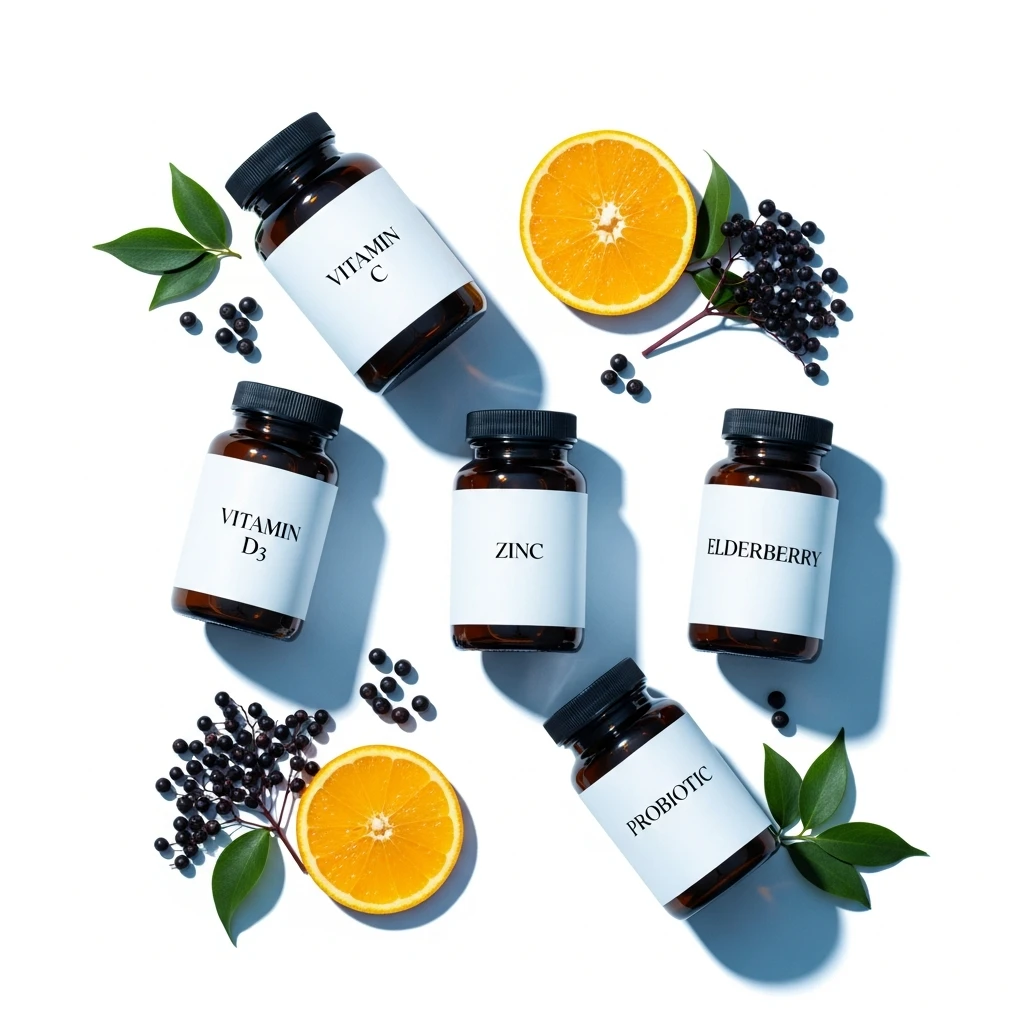
Building a Resilient Immune System in 2026
The immune system is not a single organ or pathway — it is a multi-layered defense network spanning physical barriers, innate immune cells, the adaptive antibody response, and the gut-immune axis. Effective immune support requires addressing each of these layers simultaneously, which is precisely what the evidence-based 2026 stack is designed to do.
The five supplements in this stack were selected based on the strength and consistency of their human clinical trial data — not anecdote, marketing, or isolated in vitro experiments. Each addresses a distinct and critical component of immune function: Vitamin C fuels the antioxidant machinery of immune cells; Vitamin D3 activates antimicrobial peptide production and modulates adaptive immunity; Zinc provides the essential mineral cofactor without which immune cells cannot develop or function; Elderberry directly blocks viral attachment and stimulates innate immune activation; and the Probiotic Blend supports the gut-immune axis that houses 70–80% of the body's total immune tissue.
Together, these five compounds address the most common and most consequential immune vulnerabilities in the modern population: widespread Vitamin D deficiency, dietary zinc insufficiency, inadequate antioxidant status, the gut dysbiosis driven by antibiotic overuse and processed food diets, and the absence of regular antiviral botanical support. This is the stack that actually moves the needle on immune resilience.
The Core 2026 Immune Support Stack: Vitamin C (500–1000mg) + Vitamin D3 (2000–5000 IU) + Zinc (25–40mg) + Elderberry Extract (300–600mg) + Probiotic Blend (10–50 billion CFU). Estimated monthly cost: $73–170.
Stack at a Glance
| # | Supplement | Category | Dose & Timing | Rating |
|---|---|---|---|---|
| #1 | Vitamin C (Ascorbic Acid / Liposomal) Antioxidant support, neutrophil function & collagen-mediated barrier defense | Vitamin / Antioxidant | 500–1000mg Morning with food; split doses improve tolerance | ★4.9 |
| #2 | Vitamin D3 (Cholecalciferol) Cellular immunity activation, immune regulation & respiratory infection defense | Vitamin / Immune Modulator | 2000–5000 IU Morning with the fattiest meal of the day (fat-soluble) | ★4.9 |
| #3 | Zinc (Picolinate or Bisglycinate) Immune cell development, antiviral barrier function & cold duration reduction | Mineral / Immune Cell Cofactor | 25–40mg elemental zinc Evening with food (or lozenges at cold onset, every 2 hours while awake) | ★4.8 |
| #4 | Elderberry Extract (Sambucus nigra) Cold & flu duration reduction, antiviral defense & upper respiratory support | Herbal Extract / Antiviral | 300–600mg standardized extract (or 1 tbsp syrup) Daily for prevention; 4× daily at first sign of illness | ★4.7 |
| #5 | Probiotic Blend (Multi-Strain) Gut-immune axis strengthening, secretory IgA production & cold/flu incidence reduction | Probiotic / Gut-Immune Axis | 10–50 billion CFU (multi-strain) Morning on an empty stomach or with a light meal | ★4.7 |
Vitamin C (Ascorbic Acid / Liposomal)
Vitamin C is the cornerstone of any evidence-based immune stack — a water-soluble vitamin that serves as both a structural building block for immune barriers and a critical cofactor for the immune cells that destroy pathogens. The immunological significance of Vitamin C runs far deeper than common perception: immune cells — particularly neutrophils, lymphocytes, and natural killer cells — actively transport and concentrate ascorbic acid to levels 10–100 times higher than blood plasma, using it to fuel oxidative burst killing of bacteria and viruses while simultaneously protecting themselves from ROS-mediated self-damage. The 2017 Cochrane review by Hemilä and Chalker remains the most comprehensive evidence synthesis: analyzing 29 RCTs and 11,306 participants, it found that regular Vitamin C supplementation (≥200mg/day) reduced cold duration by 8% in adults and 14% in children, with a remarkable 50% reduction in cold incidence among marathon runners, skiers, and military personnel under acute physical stress. For therapeutic use during illness, doses of 1–8g/day have shown consistent reductions in cold duration in separate trial meta-analyses. The key upgrade in 2026 is liposomal Vitamin C: encapsulating ascorbic acid in phospholipid vesicles (identical to cell membranes) dramatically improves oral bioavailability — a 2016 pharmacokinetic study found liposomal Vitamin C produced plasma concentrations ~1.7× higher than standard ascorbic acid at equivalent doses. For daily immune maintenance, 500–1000mg of standard or liposomal Vitamin C with breakfast provides sustained antioxidant coverage and supports the innate immune cell concentrations needed for optimal pathogen defense.
Key Features
- Accumulates at very high concentrations in immune cells — neutrophils and lymphocytes store Vitamin C at levels 10–100× higher than plasma, underlining its essential role in immune cell function
- A 2017 Cochrane meta-analysis of 29 RCTs (11,306 participants) found regular Vitamin C supplementation reduced cold duration by 8% in adults and 14% in children, with greater effects seen in those under physical stress
- Supports epithelial barrier integrity — Vitamin C is required for collagen synthesis, which maintains the physical barriers (skin, mucosal membranes) that are the immune system's first line of defense
- Potent antioxidant that neutralizes reactive oxygen species produced by immune cells during pathogen killing, protecting surrounding tissue from collateral oxidative damage
- Liposomal Vitamin C delivers significantly higher plasma concentrations than standard ascorbic acid — approaching the bioavailability of IV Vitamin C at oral doses
Pros & Cons
Pros:
- +Exceptional safety profile — the most extensively studied immune supplement with over seven decades of clinical research across thousands of trials
- +Preventive and acute benefits: regular supplementation reduces cold incidence in high-stress individuals (athletes, soldiers) by up to 50%; therapeutic high-dose C (1–8g/day) reduces cold duration
- +Supports multiple layers of immunity simultaneously: physical barriers, innate immune cells, adaptive lymphocyte activity, and antioxidant protection
Cons:
- -Standard ascorbic acid at doses above 1g/day commonly causes GI upset (diarrhea, bloating) — split dosing or buffered/liposomal forms mitigate this significantly
- -Water-soluble with a short half-life — to maintain elevated plasma levels throughout the day, 2–3 divided doses are more effective than a single large dose
Vitamin D3 (Cholecalciferol)
Vitamin D3 is arguably the most important supplement in the immune stack — not because it provides a marginal boost to already-adequate function, but because the majority of the population is deficient, and that deficiency profoundly impairs immune competence at a fundamental level. Vitamin D is a secosteroid hormone that, once converted to its active form calcitriol in the kidneys, binds Vitamin D receptors (VDRs) expressed on virtually every immune cell type in the body. This signaling axis controls the transcription of hundreds of immune-related genes: it upregulates cathelicidin (LL-37), a broad-spectrum antimicrobial peptide that directly disrupts the lipid envelopes of influenza, SARS-CoV-2, and other respiratory viruses; it activates macrophage phagocytosis; it promotes regulatory T cell (Treg) development, which prevents autoimmune reactions and excessive inflammation; and it enhances the killing capacity of natural killer cells. The landmark human evidence comes from the Martineau et al. 2017 BMJ meta-analysis — 25 RCTs, 11,321 participants — finding Vitamin D supplementation reduced acute respiratory tract infection risk by 12% overall and 50% in those who were severely deficient. A critical detail: supplementation was most effective with daily or weekly dosing rather than large bolus doses, consistent with maintaining steady-state VDR occupancy rather than transient spikes. For the immune stack, 2000–5000 IU of Vitamin D3 daily — ideally combined with Vitamin K2 (MK-7, 90–180mcg) to ensure calcium is directed to bone rather than soft tissue — taken with a fatty meal provides the consistent serum levels needed for sustained immune modulation. Aim for serum 25-OH-D of 50–80 ng/mL for optimal immune function.
Key Features
- Vitamin D receptors (VDRs) are expressed on virtually every immune cell — T cells, B cells, dendritic cells, monocytes, and macrophages — making Vitamin D a master regulator of both innate and adaptive immunity
- A 2017 BMJ meta-analysis of 25 RCTs (11,321 participants) found Vitamin D supplementation reduced the risk of acute respiratory infections by 12% overall, and by 50% in individuals with severe deficiency (25-OH-D < 25 nmol/L)
- Induces production of cathelicidin and defensins — antimicrobial peptides that directly kill enveloped viruses (including influenza) and bacteria on mucosal surfaces
- Deficiency is pandemic: over 40% of U.S. adults are Vitamin D deficient (< 50 nmol/L), with rates exceeding 70% in African Americans, elderly populations, and people in northern latitudes during winter
- Modulates immune response to prevent excessive inflammation — critical for reducing cytokine storm risk during severe viral infections
Pros & Cons
Pros:
- +One of the most cost-effective immune interventions available — widely deficient in the population with profound immune consequences, and correction costs pennies per day
- +The strongest RCT evidence in the immune supplement field: the 2017 Martineau BMJ meta-analysis of 25 RCTs is the most rigorous and comprehensive immune supplement trial dataset published to date
- +Dual mechanism: directly promotes antimicrobial peptide production while simultaneously modulating adaptive immunity to prevent both immunosuppression and excess inflammation
Cons:
- -Fat-soluble and requires dietary fat for absorption — significantly underabsorbed when taken on an empty stomach or with a low-fat meal
- -Regular supplementation without monitoring can lead to accumulation — serum 25-OH-D levels above 150 nmol/L (toxicity threshold) are achievable with very high doses (>10,000 IU/day) over months
Zinc (Picolinate or Bisglycinate)
Zinc occupies a unique and critical position in immune function — it is not merely a cofactor but an essential structural and signaling element for the entire immune system. Every major category of immune cell requires zinc for development, proliferation, and effector function: T cell maturation in the thymus depends on the zinc-dependent hormone thymulin; natural killer cell cytotoxicity requires zinc for lytic granule assembly; neutrophil oxidative burst depends on zinc-containing superoxide dismutase; and B cell antibody production involves zinc-finger transcription factors throughout the immunoglobulin gene expression pathway. Zinc deficiency — classified by the WHO as a global public health crisis affecting roughly 2 billion people — produces a clinically distinct immunodeficiency syndrome: thymic atrophy, reduced CD4+ T cell counts, impaired neutrophil chemotaxis, decreased NK cell activity, and reduced antibody responses to vaccination. The 2021 Raus et al. BMJ Open meta-analysis of 28 RCTs remains the most comprehensive assessment of zinc lozenges for cold treatment, finding a mean reduction of 2.25 days in cold duration when lozenges were initiated within 24 hours of symptom onset. The mechanism is direct: ionic zinc released in the oropharynx inhibits rhinovirus 3C protease (required for viral replication), blocks viral binding to ICAM-1 receptors on nasal epithelial cells, and prevents viral rhinoviral capsid uncoating. For the immune stack, 25–40mg elemental zinc as picolinate or bisglycinate (superior absorption forms) taken daily with an evening meal provides maintenance immune support, while zinc lozenges (delivering 12–25mg ionic zinc per lozenge) used every 2 hours at cold onset provide the acute antiviral intervention with the strongest evidence base in supplement medicine.
Key Features
- Zinc is required for the development, differentiation, and activation of virtually every immune cell type — T cells, B cells, natural killer cells, neutrophils, and macrophages all depend on zinc for proliferation and function
- A 2021 meta-analysis in BMJ Open found zinc lozenges started within 24 hours of cold onset reduced cold duration by an average of 2.25 days — the strongest intervention effect of any supplement for acute cold treatment
- Zinc stabilizes cell membranes and inhibits viral replication by blocking rhinovirus RNA replication and preventing viral binding to ICAM-1 receptors on nasal epithelial cells
- Zinc deficiency — affecting approximately 2 billion people worldwide — is associated with thymic atrophy, reduced lymphocyte counts, and impaired delayed-type hypersensitivity responses
- Picolinate and bisglycinate forms have superior bioavailability compared to zinc oxide (as low as 4% absorption) or zinc sulfate (common in cheap supplements)
Pros & Cons
Pros:
- +The only supplement with consistently robust RCT evidence for reducing cold duration — the Cochrane review and multiple meta-analyses confirm clinically meaningful reductions of 1–3 days when lozenges are used correctly
- +Zinc deficiency is common in vegans, vegetarians, elderly, and those with GI disorders — supplementation restores full immune competence in deficient individuals with measurable lymphocyte recovery
- +Broad-spectrum immune function: zinc is required for thymic hormone production (thymulin), which drives T cell maturation — a mechanism unique among immune supplements
Cons:
- -Long-term supplementation above 40mg/day of elemental zinc can deplete copper — always supplement with 1–2mg copper when taking zinc at therapeutic doses over months
- -GI intolerance (nausea, stomach cramps) is common with zinc on an empty stomach — always take with food and start at lower doses when initiating supplementation
Elderberry Extract (Sambucus nigra)
Elderberry (Sambucus nigra) is the most evidence-backed herbal immune supplement available, with a growing body of human RCT data confirming meaningful reductions in cold and flu duration and severity. The active constituents responsible for elderberry's antiviral effects are its anthocyanins — particularly cyanidin-3-glucoside and cyanidin-3-sambubioside — which have been shown in vitro and in vivo to bind directly to the hemagglutinin and neuraminidase proteins on influenza virus surfaces, physically preventing the virus from docking with the sialic acid receptors on human airway epithelial cells. This mechanism is structurally analogous to (but distinct from) pharmaceutical neuraminidase inhibitors like oseltamivir (Tamiflu). The clinical human evidence is substantive: the Zakay-Rones et al. 2004 double-blind RCT (Journal of International Medical Research; n=60, randomized during influenza season) found elderberry syrup reduced influenza A/B symptom duration by 4 days and required less rescue medication. The Tiralongo et al. 2016 RCT (Nutrients; n=312 air travelers, a high-physiological-stress immune model) found elderberry capsules reduced cold frequency by 50% and cold duration by 2 days versus placebo. A 2020 Cochrane-adjacent systematic review by Wieland et al. (Complementary Medicine Research) analyzed available RCTs and found a consistent pattern of benefit across multiple independent trials, lending confidence to the biological effect beyond any single study. For the immune stack, 300–600mg of standardized elderberry extract daily (providing consistent anthocyanin content) supports year-round prevention, while quadrupling the dose at the first sign of cold or flu symptoms maximizes antiviral activity during the critical viral attachment window — ideally within the first 24–48 hours of symptom onset.
Key Features
- A 2016 RCT (Tiralongo et al., Nutrients; n=312 air travelers) found elderberry supplementation reduced cold incidence by 50% and cold duration by 2 days versus placebo in travelers on long-haul flights — a high-immune-stress model
- Anthocyanins in elderberry (cyanidin-3-glucoside and cyanidin-3-sambubioside) bind directly to influenza virion surface proteins, preventing viral attachment to host cell sialic acid receptors
- Stimulates cytokine production — particularly TNF-α, IL-1β, IL-6, and IL-8 — from monocytes and dendritic cells, activating innate immune response during early infection
- A 2004 randomized double-blind trial (Zakay-Rones et al., Journal of International Medical Research) found elderberry syrup reduced influenza duration by 4 days and symptom severity significantly versus placebo
- Contains quercetin, caffeic acid, and chlorogenic acid — polyphenols with documented antiviral and anti-inflammatory activity that complement the anthocyanin mechanism
Pros & Cons
Pros:
- +Human RCT evidence for cold and flu duration reduction is more consistent and clinically meaningful than almost any other herbal supplement — multiple independent trials confirm 2–4 day reductions
- +Dual mechanism for acute infections: directly blocks viral attachment to host cells AND stimulates immune cell activation — providing both antiviral and immunostimulatory effects simultaneously
- +Excellent safety profile across all age groups — tested in children, adults, and elderly with no significant adverse events in published trials when using standardized extracts
Cons:
- -The cytokine-stimulating properties raise theoretical concern about use in autoimmune conditions (lupus, rheumatoid arthritis, MS) — individuals with autoimmune disease should consult a physician before use
- -Raw elderberries contain cyanogenic glycosides and are toxic — only processed (cooked) or standardized extract forms are safe for consumption; DIY preparations carry risk
Probiotic Blend (Multi-Strain)
A multi-strain probiotic blend is the most strategically important and frequently overlooked component of the immune support stack — because the gut is not merely a digestive organ. Gut-associated lymphoid tissue (GALT), including Peyer's patches, mesenteric lymph nodes, and lamina propria immune cells, contains an estimated 70–80% of the body's total immune cell mass. The gut microbiome directly educates and regulates this immune reservoir: commensal bacteria maintain the integrity of the epithelial barrier that prevents pathogen translocation, stimulate production of secretory IgA (the mucosal antibody that neutralizes respiratory viruses in the airways), promote regulatory T cell development that calibrates inflammatory responses, and provide colonization resistance against pathogenic bacteria through competitive exclusion. The clinical evidence for immune benefits is growing and now substantive: the 2015 Cochrane review by Hao et al. (12 RCTs, 3,720 participants) found probiotics reduced both the incidence of upper respiratory tract infections (relative risk 0.53 versus placebo) and duration by nearly 2 days, with a consistent pattern across diverse strains and populations. The landmark Leyer et al. 2009 JAMA Pediatrics trial (n=326 children, 6-month winter season) demonstrated that L. acidophilus NCFM reduced cold incidence by 19% as a single strain and 33% in combination with B. animalis, while reducing fever duration by 32% and cough duration by 41% compared to placebo. For the immune stack, a multi-strain formula providing 10–50 billion CFU containing documented strains (look for Lactobacillus rhamnosus GG, L. plantarum, L. acidophilus NCFM, and Bifidobacterium longum) taken consistently throughout the year provides the foundational mucosal immune priming that makes all other immune interventions more effective.
Key Features
- Approximately 70–80% of the immune system resides in gut-associated lymphoid tissue (GALT) — making the gut microbiome a primary regulator of systemic immune competence
- A 2015 Cochrane review of 12 RCTs found probiotic supplementation reduced upper respiratory tract infection duration by nearly 1.9 days and the number of days absent from work/school significantly versus placebo
- Specific strains (Lactobacillus rhamnosus GG, L. plantarum HEAL9, Bifidobacterium longum 1714) have been individually shown in RCTs to reduce cold incidence, severity, and duration in adults and children
- Probiotics stimulate secretory IgA (sIgA) production — the dominant antibody in mucosal secretions that neutralizes respiratory pathogens before they invade the epithelium
- A 2009 JAMA Pediatrics RCT (Leyer et al., n=326 children, 6 months) found Lactobacillus acidophilus NCFM alone or combined with Bifidobacterium animalis reduced cold incidence by 19–33% and fever/cough duration by up to 32%
Pros & Cons
Pros:
- +Addresses the gut-immune axis — the most neglected and most impactful component of immune defense, responsible for 70–80% of total immune tissue and the bulk of secretory antibody production
- +Multi-strain formulas provide broader mucosal coverage than single-strain products — different strains colonize different GI niches and stimulate distinct immune responses
- +Benefits extend beyond immunity: probiotics concurrently improve gut barrier function, reduce inflammatory cytokines, lower infection risk in antibiotic-treated patients, and support mental health via the gut-brain axis
Cons:
- -Highly strain-specific — most probiotic research is conducted with specific branded strains (LGG, NCFM, BB-12) that may not be present in all commercial products; check labels for documented strains
- -Viability concerns: many capsule-form probiotics lose significant CFU counts before the expiration date; refrigerated formats or heat-stable spore-forming strains (Bacillus coagulans, B. subtilis) offer better shelf stability
The 2026 Immune Stack: Daily Protocol
This stack is designed to be taken daily year-round — not just during cold and flu season. Consistent use builds the baseline immune competence (optimal Vitamin D levels, a robust gut microbiome, adequate zinc stores) that determines how well your immune system responds when it actually encounters a pathogen. At the first sign of illness, elderberry and Vitamin C doses should be increased to their therapeutic acute-phase levels.
| Supplement | Daily Dose | Timing | Notes |
|---|---|---|---|
| Vitamin C | 500–1000mg | Morning with food; split dose with dinner | Split dosing maintains plasma levels better than single large dose. Increase to 2–8g/day in divided doses at illness onset. Liposomal form improves bioavailability. |
| Vitamin D3 + K2 | 2000–5000 IU D3 + 90–180mcg K2 | With the fattiest meal of the day | Fat is essential for D3 absorption. Take combined D3+K2 formula to direct calcium to bone. Test serum 25-OH-D twice yearly — target 50–80 ng/mL. |
| Zinc | 25–40mg elemental | Evening with food | Always take with food to prevent nausea. Supplement with 1–2mg copper when using zinc long-term. Switch to ionic zinc lozenges (every 2h while awake) at cold onset. |
| Elderberry Extract | 300–600mg extract (or 1 tbsp syrup) | Once daily (prevention); 4× daily at illness onset | Standardized extract (consistent anthocyanin content) is more reliable than unstandardized syrups. Quadruple dose within 24 hours of first cold or flu symptoms for maximum antiviral effect. |
| Probiotic Blend | 10–50 billion CFU (multi-strain) | Morning on empty stomach or with light food | Look for documented strains (LGG, NCFM, BB-12) on the label. Refrigerate unless using shelf-stable spore-forming strains. Benefits require consistent daily use — do not cycle on and off. |
How Each Supplement Targets a Different Layer of Immunity
The immune system operates across distinct anatomical layers and functional divisions. A comprehensive stack addresses all of them:
1. Physical Barrier Defense → Vitamin C
The skin and mucosal membranes are the immune system's first line of defense — physical barriers that prevent pathogen entry before any immune cell activation is required. Vitamin C is a required cofactor for prolyl and lysyl hydroxylase, enzymes that cross-link collagen fibrils to create structurally sound epithelial barriers. Deficiency causes barrier breakdown; optimal Vitamin C status maintains the integrity of skin, respiratory mucosa, and gut lining that pathogens must breach to cause infection. Vitamin C is the primary supplement addressing this layer.
2. Innate Immune Activation → Vitamin D3 + Elderberry
The innate immune system is the rapid-response force — pattern recognition receptors on macrophages, dendritic cells, and natural killer cells that detect microbial molecular patterns within minutes of exposure. Vitamin D3 primes this system by upregulating Toll-like receptor expression and inducing cathelicidin and beta-defensin production — antimicrobial peptides deployed directly against pathogen membranes. Elderberry's anthocyanins stimulate dendritic cells and monocytes to produce pro-inflammatory cytokines (TNF-α, IL-6, IL-8) that amplify the innate alarm signal, accelerating immune mobilization at the site of infection.
3. Adaptive Immune Cell Function → Zinc
The adaptive immune system — T cells, B cells, and antibody production — provides pathogen-specific memory that is the basis of long-term immunity and vaccine efficacy. Zinc is indispensable for this layer: T cell maturation in the thymus depends on the zinc-dependent hormone thymulin; B cell differentiation into antibody-secreting plasma cells requires zinc-finger transcription factors; and helper T cell (CD4+) cytokine production — the master regulator of adaptive responses — falls dramatically with zinc deficiency. Restoring zinc status to adequacy rebuilds adaptive immune competence in ways no other supplement can replicate.
4. Antioxidant Protection During Immune Response → Vitamin C + Zinc
Immune cells kill pathogens by generating reactive oxygen species (ROS) — a process called oxidative burst — but this same mechanism damages surrounding tissue if uncontrolled. Vitamin C and Zinc (as a cofactor for superoxide dismutase) are the primary antioxidant defenses that protect immune cells themselves and adjacent tissue from ROS-mediated collateral damage during infection, enabling sustained immune activity without self-injury.
5. Mucosal Immune Foundation → Probiotic Blend
The gut microbiome is the master trainer of the mucosal immune system — educating dendritic cells, maintaining regulatory T cell balance, and driving secretory IgA production in Peyer's patches. sIgA is the most abundant antibody in the body and the primary neutralizing antibody at mucosal surfaces (nasal passages, lungs, gut) where respiratory pathogens enter. A diverse, robust microbiome produces a high sIgA baseline that neutralizes inhaled viral particles before they reach the airway epithelium. Probiotic supplementation restores and maintains this gut-immune foundation, making every other immune layer more effective.
Key Research: Human Evidence for Each Compound
Vitamin C: The Cochrane Evidence Base
Hemilä and Chalker (2013, Cochrane Database of Systematic Reviews) analyzed 29 trials in 11,306 participants and found regular Vitamin C supplementation reduced cold duration by 8% in adults and 14% in children. In physically stressed populations (marathon runners, skiers, military), cold incidence was reduced by 50%. Vitamin C at doses of 1–8g/day as therapeutic treatment during illness reduced duration by a further 8% in separate analyses, suggesting a dose-response relationship in acute-phase use.
Research: Hemilä & Chalker (2013), Cochrane Database Syst Rev; Hemilä (2017), Nutrients.
Vitamin D3: Respiratory Infection Meta-Analysis
Martineau et al. (2017, BMJ; 25 RCTs, 11,321 participants) found Vitamin D supplementation reduced risk of acute respiratory tract infection by 12% overall (adjusted OR 0.88) and by 50% in individuals with severe deficiency (25-OH-D < 25 nmol/L). Daily or weekly supplementation was more effective than bolus dosing, consistent with maintaining VDR occupancy. Separate RCTs by Sabetta et al. (2010, PLOS One) found serum 25-OH-D ≥ 38 ng/mL reduced respiratory infection incidence by 50% versus levels below this threshold.
Research: Martineau et al. (2017), BMJ; Sabetta et al. (2010), PLOS One.
Zinc: Lozenge Evidence for Cold Duration
Raus et al. (2021, BMJ Open; meta-analysis of 28 trials) found zinc lozenges started within 24 hours of cold symptom onset reduced cold duration by an average of 2.25 days. The effect was strongest for ionic zinc acetate formulations. A separate 2017 meta-analysis by Hemilä (Nutrients; 3 trials, 199 participants) found zinc acetate lozenges reduced cold duration by 40% — one of the largest effect sizes of any intervention in acute upper respiratory tract infection treatment.
Research: Raus et al. (2021), BMJ Open; Hemilä (2017), Nutrients.
Elderberry: Cold, Flu, and Traveler RCT Evidence
Tiralongo et al. (2016, Nutrients; n=312 air travelers, randomized double-blind) found elderberry supplementation for 10 days before travel reduced cold incidence by 50% and cold duration by 2 days in those who developed colds. Zakay-Rones et al. (2004, Journal of International Medical Research; n=60, influenza RCT) found elderberry syrup reduced influenza duration by 4 days. A 2016 systematic review by Hawkins et al. (Phytotherapy Research) confirmed consistent anti-influenza activity in vitro and clinical benefit across multiple RCTs.
Research: Tiralongo et al. (2016), Nutrients; Zakay-Rones et al. (2004), J Int Med Res.
Probiotics: Cochrane Review and Pediatric RCT Data
Hao et al. (2015, Cochrane Database; 12 RCTs, 3,720 participants) found probiotics reduced upper respiratory tract infection incidence (RR 0.53 vs placebo) and duration by approximately 1.9 days, with consistent effects across diverse strains and populations including children and adults. Leyer et al. (2009, Pediatrics; n=326 children, 6-month winter RCT) found L. acidophilus NCFM alone reduced cold incidence by 19%, with fever and cough duration reductions of 32% and 41% respectively.
Research: Hao et al. (2015), Cochrane Database Syst Rev; Leyer et al. (2009), Pediatrics.
Deep Dives: Individual Supplement Reviews
For detailed product comparisons and brand recommendations for key supplements in this stack, see our full review guides:
Frequently Asked Questions
Should I take this stack year-round or only in winter?
Year-round is strongly preferred — and not just for cold and flu season. Vitamin D deficiency is widespread in all seasons at northern latitudes, and building optimal serum levels takes 3–4 months of consistent supplementation. Probiotic benefits require continuous use, as strains clear within 1–3 weeks of stopping. Zinc stores can become depleted in periods of stress, illness, or high physical activity in any season. Elderberry can be taken daily for prevention year-round; the research on antiviral properties supports this approach. Think of this stack as building immune infrastructure, not as an emergency response kit.
What's the most important single supplement if I can only choose one?
Vitamin D3 — by a significant margin, for most people. Over 40% of U.S. adults are Vitamin D deficient, with even higher rates in winter months and among people with darker skin, obesity, or limited sun exposure. The BMJ meta-analysis showing 50% reduction in respiratory infections in severely deficient individuals represents one of the largest supplement-specific immune effects in human evidence. Testing serum 25-OH-D and correcting deficiency is likely the single highest-leverage immune intervention available to most people, and it costs under $15/month. If you're already sufficient in Vitamin D, the answer shifts: liposomal Vitamin C for active immune cell support, or a probiotic for gut-immune axis maintenance.
How quickly does each supplement work?
The timeline varies substantially by supplement. Zinc lozenges at cold onset work within hours — antiviral effects begin when ionic zinc contacts nasal and throat mucosa. Elderberry (quadruple dose at illness onset) reaches peak antiviral activity within 24–48 hours — this is the critical window. Vitamin C in immune cells accumulates to working concentrations within days of regular supplementation. Vitamin D3 takes 3–4 months of consistent daily dosing to raise serum levels from deficient to optimal — this is a long-term investment. Probiotics begin colonizing within 1–2 weeks but immune modulation benefits, particularly sIgA elevation, build over 4–8 weeks of consistent use.
Can I take all five supplements safely together?
Yes — all five are well-tolerated and have no known adverse interactions with each other. The main safety considerations: Vitamin C above 1g/day may cause GI upset in sensitive individuals (split dosing helps); Zinc above 40mg/day long-term can deplete copper (supplement 1–2mg copper); Vitamin D at very high doses (>10,000 IU/day) over months can cause toxicity — stay within 2000–5000 IU/day unless testing confirms you need more. Elderberry should be used cautiously in autoimmune conditions. Probiotics are generally very safe but avoid in severely immunocompromised individuals without physician guidance.
Do these supplements help prevent COVID-19 or reduce severity?
The evidence must be interpreted carefully. Vitamin D deficiency is robustly associated with worse COVID-19 outcomes in observational studies, and correcting deficiency (which is worthwhile regardless) likely supports immune competence against all respiratory viruses. Zinc's inhibition of viral RNA replication in vitro extends to some coronaviruses, and adequate zinc status supports the innate immune response relevant to viral infections generally. Elderberry anthocyanins have shown activity against SARS-related coronaviruses in laboratory studies, though clinical RCT data specific to COVID-19 is limited. These supplements support general immune function and are not replacements for vaccination — but optimizing immune status with evidence-based supplements is a reasonable, safe complement to standard preventive measures.
Disclaimer: This content is for informational purposes only and does not constitute medical advice. Always consult a qualified healthcare provider before starting any new supplement regimen, especially if you have underlying health conditions, are pregnant or breastfeeding, or are taking prescription medications. The research cited represents the current evidence base but does not guarantee individual results. Some links on this page are affiliate links; SupliCore may earn a commission on qualifying purchases at no additional cost to you.