Liver Support & Detoxification Supplement Stack 2026
The 5 most evidence-backed supplements for hepatocyte protection, Phase I/II detoxification, bile flow, and antioxidant regeneration — Milk Thistle (80% Silymarin), NAC, TUDCA, Alpha-Lipoic Acid, and SAMe
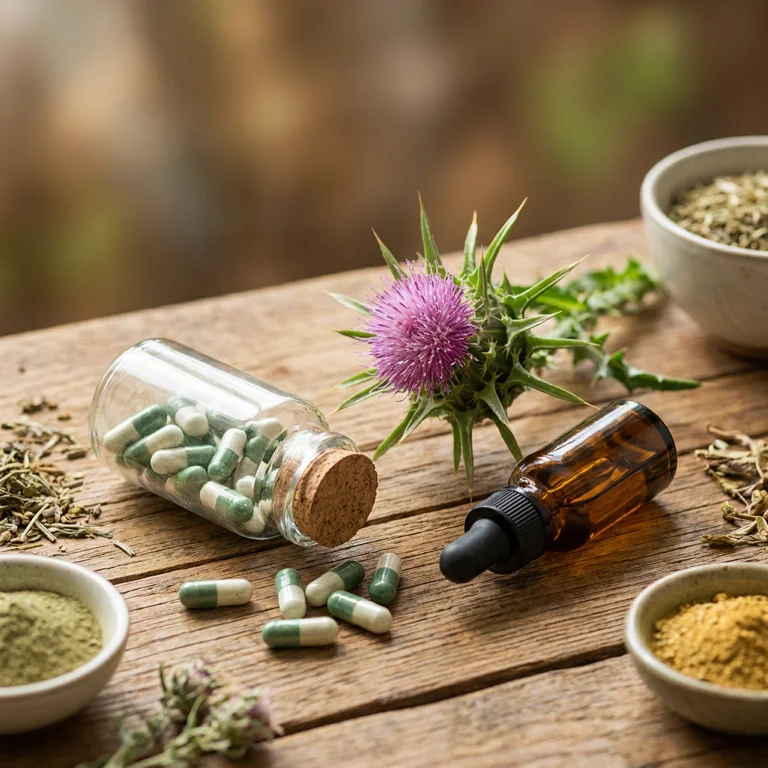
Why Liver Support Requires More Than a Single "Detox" Supplement
The liver is the body's central detoxification organ, processing every substance absorbed from the gut and bloodstream through a two-phase enzymatic system. Phase I cytochrome P450 enzymes chemically transform toxins, medications, alcohol, and metabolic byproducts — but this process frequently generates reactive intermediate metabolites that are more dangerous than the original compound until Phase II conjugation enzymes (which depend heavily on glutathione) neutralize them for safe excretion via bile.
This means genuine liver support requires addressing multiple, distinct physiological systems simultaneously: hepatocyte membrane protection against toxin uptake, adequate glutathione substrate for Phase II conjugation, regeneration of spent antioxidants, healthy bile acid flow to excrete conjugated toxins, and the cellular methylation capacity that underlies membrane repair and glutathione production itself. No single ingredient — including popular single-compound "liver detox" products — addresses all of these mechanisms.
This stack is built around ingredients with genuine hepatology-grade clinical pedigree — several with established use in acute liver medicine, not just general wellness marketing. Milk thistle and NAC are the foundation: silymarin protects hepatocyte membranes and reduces the oxidative burden of detoxification, while NAC supplies the rate-limiting substrate for glutathione-dependent Phase II conjugation. TUDCA, ALA, and SAMe then extend coverage into bile flow, antioxidant regeneration, and methylation capacity — the three mechanisms that determine whether Phase I/II detoxification can actually be completed and excreted.
The Liver Support Stack 2026: Milk Thistle 80% Silymarin (400–600mg/day) + NAC (600–1,200mg/day) + TUDCA (250–500mg/day) + Alpha-Lipoic Acid (300–600mg/day) + SAMe (400–1,200mg/day). Taken with meals except SAMe and ALA (empty stomach). Estimated monthly cost: $80–141.
Stack at a Glance
| # | Supplement | Category | Dose & Timing | Rating |
|---|---|---|---|---|
| #1 | Milk Thistle (80% Silymarin) Hepatocyte membrane protection, antioxidant defense & liver cell regeneration | Botanical (Silybum marianum) | 140–200mg standardized extract, 2–3x daily (400–600mg/day silymarin) With meals, 2–3x daily | ★4.9 |
| #2 | NAC (N-Acetyl Cysteine) Glutathione repletion, Phase II detoxification support & acetaminophen/oxidative stress defense | Amino Acid Derivative / Glutathione Precursor | 600–1,200mg daily With or without food, split into 1–2 doses | ★4.9 |
| #3 | TUDCA (Tauroursodeoxycholic Acid) Bile flow support, cholestasis prevention & endoplasmic reticulum stress reduction | Bile Acid Derivative | 250–500mg daily With food, split into 1–2 doses | ★4.7 |
| #4 | Alpha-Lipoic Acid (ALA) Antioxidant regeneration, mitochondrial cofactor support & glutathione recycling | Mitochondrial Antioxidant Cofactor | 300–600mg daily On an empty stomach, 30 minutes before meals | ★4.6 |
| #5 | SAMe (S-Adenosylmethionine) Methylation support, glutathione precursor synthesis & cholestatic liver conditions | Methyl Donor / Transsulfuration Cofactor | 400–1,200mg daily On an empty stomach, split into 2 doses (morning and midday) | ★4.5 |
Milk Thistle (80% Silymarin)
Milk thistle (Silybum marianum), standardized to 80% silymarin, is the foundational supplement in any liver support and detoxification stack — and the most rigorously studied hepatoprotective botanical in existence. Its clinical pedigree is unmatched: intravenous silibinin (the most bioactive silymarin flavonolignan) is the standard-of-care antidote administered in hospitals worldwide for Amanita phalloides mushroom poisoning, one of the few botanical extracts with this level of established emergency-medicine use. The mechanism explains why: silymarin's flavonolignans competitively bind the same hepatocyte membrane transport proteins (organic anion-transporting polypeptides) that hepatotoxins use to enter liver cells, physically blocking toxin uptake at the cell membrane before intracellular damage can occur. Beyond this protective mechanism, silymarin is independently regenerative — it stimulates RNA polymerase I activity within hepatocyte nuclei, accelerating ribosomal protein synthesis and hastening liver tissue repair after injury, a property demonstrated in both animal models of toxin-induced liver damage and human trials of chronic liver disease. A 2017 systematic review and meta-analysis in the World Journal of Hepatology, synthesizing 17 randomized controlled trials, found that silymarin supplementation produced statistically significant reductions in ALT and AST (the standard clinical liver enzyme markers of hepatocyte injury) across patients with NAFLD, alcoholic liver disease, and viral hepatitis. Silymarin also functions as a direct antioxidant, scavenging the reactive oxygen species generated as a byproduct of the liver's own Phase I cytochrome P450 detoxification pathway — meaning it protects the liver from damage caused by the very process of detoxifying other compounds. Standardization to 80% silymarin content is non-negotiable: raw, unstandardized milk thistle seed powder delivers inconsistent and often clinically insignificant flavonolignan doses. Take 140–200mg standardized extract with meals, 2–3 times daily, for a total of 400–600mg silymarin.
Key Features
- Silymarin — a complex of flavonolignans (silybin A, silybin B, isosilybin, silychristin, silydianin) — stabilizes hepatocyte cell membranes and blocks the uptake of hepatotoxins by competing for the same membrane transport proteins used by toxins like Amanita phalloides (death cap) mushroom toxins
- A 2017 systematic review and meta-analysis in the World Journal of Hepatology (17 RCTs) found silymarin significantly reduced liver enzymes (ALT, AST) in patients with non-alcoholic fatty liver disease (NAFLD) and alcoholic liver disease versus placebo
- Stimulates RNA polymerase I activity in hepatocyte nuclei, upregulating ribosomal protein synthesis and accelerating liver cell regeneration after toxic or inflammatory injury — a mechanism unique among hepatoprotective botanicals
- Potent free-radical scavenging activity that directly neutralizes reactive oxygen species (ROS) generated during Phase I cytochrome P450 detoxification, preventing the oxidative hepatocyte damage that Phase I metabolism itself produces
- Standardization to 80% silymarin (with defined silybin content) is essential — silymarin's poor intrinsic bioavailability means unstandardized milk thistle powders deliver clinically insignificant doses of the active flavonolignans
Pros & Cons
Pros:
- +The most extensively studied hepatoprotective botanical in the world, with a safety and mechanistic evidence base spanning over 40 years, including its established clinical use as the antidote co-administered with intravenous silibinin for Amanita phalloides mushroom poisoning
- +Dual mechanism unmatched by other liver supplements in this stack: it is simultaneously a membrane-stabilizing hepatoprotectant (blocking toxin entry) and a regenerative stimulant (accelerating hepatocyte repair) — addressing both prevention and recovery
- +Excellent safety profile for long-term daily use; mild GI effects are the only commonly reported side effect, and no evidence of hepatotoxicity or tolerance has emerged across decades of clinical use
Cons:
- -Standardization is critical — many low-cost milk thistle products use unstandardized seed powder with minimal and highly variable silymarin content; verify the label specifies 80% silymarin (or defined silybin content in mg)
- -Silymarin's oral bioavailability is inherently poor (under 5%) due to poor water solubility and extensive first-pass metabolism; phosphatidylcholine-complexed forms (silybin-phosphatidylcholine, e.g., Siliphos) offer substantially higher absorption if budget allows
NAC (N-Acetyl Cysteine)
N-Acetyl Cysteine (NAC) is the Phase II detoxification engine of this stack, and arguably the single most clinically validated liver-protective molecule in modern pharmacology — a status earned not through supplement-industry marketing but through its role as the FDA-approved, hospital-administered antidote for acetaminophen overdose, the leading cause of acute liver failure in the United States. The mechanism is direct: NAC supplies cysteine, the rate-limiting amino acid substrate for hepatic synthesis of glutathione (GSH), the liver's most important intracellular antioxidant and the essential conjugating molecule of Phase II detoxification. When the liver metabolizes drugs, alcohol, and environmental toxins through Phase I cytochrome P450 enzymes, it frequently generates reactive intermediate metabolites — in the case of acetaminophen, the hepatotoxic metabolite NAPQI — that are more dangerous than the parent compound until Phase II conjugation neutralizes them via glutathione binding. When glutathione stores are depleted (by toxin overload, chronic alcohol use, poor diet, or oxidative stress), these reactive intermediates accumulate and directly damage hepatocyte membranes and DNA. NAC administration — first established in the landmark 1970s protocols and now standard emergency medicine practice worldwide — rapidly replenishes glutathione and prevents this cascade of hepatocyte death. Beyond its emergency use, controlled trials support NAC for everyday liver support: a 2011 double-blind RCT in the Journal of Hepatology found NAC significantly reduced oxidative stress and postoperative liver dysfunction in cirrhotic patients undergoing surgery, and a 2016 RCT in the World Journal of Gastroenterology found NAC supplementation improved liver enzymes and oxidative stress markers in NAFLD patients when added to standard lifestyle intervention. For the everyday detoxification and antioxidant support use case (rather than acute poisoning), 600–1,200mg daily in divided doses is the standard supplemental range, providing consistent substrate for the glutathione synthesis that both Phase II detoxification and general hepatocyte antioxidant defense depend on.
Key Features
- NAC is the rate-limiting precursor for glutathione synthesis — it supplies cysteine, the amino acid that limits the rate of intracellular glutathione (GSH) production, the liver's master antioxidant and the primary conjugating molecule for Phase II detoxification
- Intravenous and oral NAC is the FDA-approved, standard-of-care antidote for acetaminophen (paracetamol) overdose specifically because it rapidly replenishes hepatic glutathione stores depleted by the toxic NAPQI metabolite — the single best-documented liver-rescue mechanism of any compound in this stack
- A 2011 double-blind RCT in the Journal of Hepatology (n=42, cirrhotic patients on ischemia-reperfusion during liver surgery) found NAC significantly reduced oxidative stress markers and postoperative liver dysfunction versus placebo
- Directly scavenges reactive oxygen and nitrogen species (hydroxyl radical, hydrogen peroxide) in addition to its role as a glutathione precursor, providing dual direct and indirect antioxidant protection
- Clinical trials in NAFLD and alcoholic hepatitis (including a 2016 RCT in World Journal of Gastroenterology) show NAC supplementation reduces liver enzymes and improves markers of oxidative liver injury when combined with standard care
Pros & Cons
Pros:
- +The single most mechanistically validated liver-protective compound in modern medicine — NAC's role as the emergency antidote for acetaminophen-induced acute liver failure is backed by over 40 years of clinical use and thousands of treated cases with confirmed mortality reduction
- +Directly addresses the rate-limiting step of the liver's Phase II conjugation detoxification pathway: without adequate cysteine and glutathione, Phase I-activated toxin metabolites (often more reactive than the parent compound) cannot be safely neutralized and excreted
- +Synergizes powerfully with milk thistle and ALA in this stack — milk thistle reduces the oxidative burden of Phase I metabolism, NAC supplies the raw material for Phase II glutathione conjugation, and ALA regenerates spent glutathione back to its active reduced form, covering the full detoxification cycle
Cons:
- -Sulfurous odor and taste in some formulations can cause mild nausea in sensitive individuals — enteric-coated capsules typically resolve this issue
- -High-dose NAC (above 1,200mg without split dosing) can occasionally cause GI upset; splitting into 2 doses of 600mg improves tolerability
TUDCA (Tauroursodeoxycholic Acid)
TUDCA (tauroursodeoxycholic acid) is the bile flow and cellular stress-resilience component of the liver stack, addressing a mechanism entirely distinct from the antioxidant and glutathione pathways covered by milk thistle and NAC. TUDCA is the taurine-conjugated form of ursodeoxycholic acid (UDCA) — the active ingredient in Ursodiol, an FDA-approved prescription medication used to treat primary biliary cholangitis and dissolve certain gallstones. As a hydrophilic bile acid, TUDCA displaces more toxic, hydrophobic bile acids (like lithocholic acid) from hepatocyte membranes and the bile canalicular system, supporting healthy bile flow and reducing the membrane damage and inflammation caused by bile acid accumulation during cholestasis. Beyond its biliary role, TUDCA has a second, increasingly well-documented mechanism: it acts as a chemical chaperone that stabilizes protein folding in the endoplasmic reticulum (ER), reducing ER stress — a cellular dysfunction now recognized as a central driver of non-alcoholic fatty liver disease and metabolic dysfunction-associated steatotic liver disease (MASLD). A landmark 2011 study published in the Proceedings of the National Academy of Sciences (PNAS) found that TUDCA supplementation in obese, insulin-resistant human subjects significantly improved both hepatic and peripheral insulin sensitivity, directly linking ER stress reduction via TUDCA to improved metabolic liver function — a finding with substantial relevance given that fatty liver disease is now the most common liver condition in developed countries. TUDCA additionally stabilizes mitochondrial membrane integrity in hepatocytes, inhibiting the release of pro-apoptotic factors and reducing programmed cell death under toxic or metabolic stress. In this stack, TUDCA is the component that specifically targets bile flow and the metabolic/ER-stress dimension of liver health that Phase I/Phase II detoxification-focused ingredients do not directly address. Take 250–500mg daily with food, split into two doses for consistent bile acid support throughout the day.
Key Features
- TUDCA is a hydrophilic bile acid — a taurine conjugate of ursodeoxycholic acid (UDCA) — that displaces toxic, hydrophobic bile acids from the hepatocyte membrane and bile canaliculi, directly supporting healthy bile flow and preventing cholestatic injury
- Functions as a potent chemical chaperone that reduces endoplasmic reticulum (ER) stress by stabilizing protein folding within hepatocytes — a mechanism distinct from every other supplement in this stack and directly relevant to metabolic and fatty liver conditions where ER stress drives hepatocyte dysfunction
- UDCA (TUDCA's parent compound) is an FDA-approved prescription medication (Ursodiol) for primary biliary cholangitis and gallstone dissolution — TUDCA is the naturally taurine-conjugated form with superior water solubility and cellular uptake
- A 2011 study in PNAS found TUDCA supplementation improved hepatic and peripheral insulin sensitivity in obese, insulin-resistant human subjects by reducing ER stress — connecting bile acid signaling directly to metabolic liver health
- Inhibits hepatocyte apoptosis by stabilizing mitochondrial membranes and blocking the release of pro-apoptotic factors, providing a distinct cytoprotective mechanism beyond antioxidant activity
Pros & Cons
Pros:
- +Addresses bile flow and cholestasis directly — a mechanism none of the antioxidant-focused supplements in this stack (milk thistle, NAC, ALA) reach — making TUDCA essential for anyone with sluggish bile flow, gallbladder issues, or fatty liver where impaired bile acid transport is a contributing factor
- +The ER-stress-reducing mechanism is uniquely relevant to modern liver dysfunction: non-alcoholic fatty liver disease (NAFLD) and metabolic syndrome are increasingly understood to involve ER stress as a core driver, and TUDCA is among the few well-studied compounds that directly targets this pathway
- +Derived from a bile acid pathway already used in FDA-approved liver medication (Ursodiol/UDCA), giving TUDCA an unusually strong translational evidence base compared to many botanical liver supplements
Cons:
- -The most expensive component in this stack per month, and third-party testing/purity varies significantly between brands — sourcing from a reputable, third-party-tested manufacturer matters more for TUDCA than for most supplements
- -Higher doses (above 1,500mg/day, well above the supplemental range used here) have been associated with mild GI effects including loose stools in a minority of users
Alpha-Lipoic Acid (ALA)
Alpha-lipoic acid (ALA) is the antioxidant network amplifier of the liver stack — its role is not to introduce a fourth independent antioxidant mechanism, but to extend and regenerate the activity of the antioxidants already provided by milk thistle and NAC. ALA's defining biochemical property is its dual water and fat solubility, a rare characteristic that allows it to move freely across cell membranes and function in both the aqueous cytoplasm and the lipid bilayer of hepatocyte membranes and mitochondria — compartments that most single-solubility antioxidants (like water-soluble vitamin C or fat-soluble vitamin E) cannot simultaneously access. This versatility underlies ALA's most clinically important property: its capacity to regenerate other antioxidants back to their active reduced form after they have been oxidized in the process of neutralizing free radicals. ALA directly recycles oxidized glutathione (GSSG) back to reduced glutathione (GSH), and does the same for vitamin C and vitamin E — meaning that in this stack, ALA amplifies the total working capacity of the glutathione that NAC helps synthesize, rather than simply adding parallel, redundant antioxidant activity. ALA's hepatoprotective credentials extend beyond general antioxidant theory: intravenous alpha-lipoic acid, alongside intravenous silibinin (milk thistle's primary flavonolignan), is a documented component of the medical treatment protocol for Amanita phalloides mushroom poisoning — one of very few natural compounds with this level of established emergency hepatoprotective use. In metabolic liver disease specifically, a 2011 randomized controlled trial found that 600mg/day ALA over 12 weeks significantly reduced liver enzymes (ALT) and markers of insulin resistance in patients with NAFLD compared to placebo, supporting a direct role in the mitochondrial and metabolic dimension of liver health — relevant given ALA's additional role as an essential cofactor for the pyruvate dehydrogenase complex, the mitochondrial enzyme system that generates the substantial ATP required to power hepatocyte detoxification. Take 300–600mg daily, ideally on an empty stomach 30 minutes before a meal for optimal absorption, using the R-ALA enantiomer where possible for superior bioactivity.
Key Features
- ALA is unique among antioxidants in being both water- and fat-soluble, allowing it to function throughout the hepatocyte — in cytoplasm, mitochondria, and cell membranes — rather than being confined to a single cellular compartment as most antioxidants are
- Directly regenerates other spent antioxidants back to their active reduced form — including glutathione, vitamin C, and vitamin E — creating a "network antioxidant" effect that amplifies and extends the activity of NAC and milk thistle's antioxidant mechanisms rather than simply adding a redundant fourth antioxidant
- Intravenous alpha-lipoic acid is a documented, medically used treatment (alongside silibinin) for Amanita phalloides mushroom poisoning, reflecting a genuine clinical hepatoprotective pedigree beyond general antioxidant supplementation
- Serves as an essential cofactor for the mitochondrial pyruvate dehydrogenase and alpha-ketoglutarate dehydrogenase enzyme complexes, supporting the substantial mitochondrial energy demand of hepatocyte detoxification metabolism
- A 2011 RCT in NAFLD patients found ALA supplementation (600mg/day, 12 weeks) significantly reduced liver enzymes and markers of insulin resistance compared to placebo, supporting a direct role in metabolic liver health
Pros & Cons
Pros:
- +The antioxidant "recycler" of the stack: rather than being consumed once like most antioxidants, ALA regenerates glutathione, vitamin C, and vitamin E back to their active forms, meaningfully extending the working lifespan and total antioxidant capacity that NAC and milk thistle provide
- +Dual water/fat solubility gives ALA cellular access that neither NAC (water-soluble) nor silymarin (poorly bioavailable, largely extracellular activity) achieves alone — filling the intracellular, membrane-spanning gap in the stack's antioxidant coverage
- +Established, decades-long clinical use in diabetic neuropathy (at similar or higher doses) provides an exceptionally strong human safety record for chronic daily supplementation
Cons:
- -Can cause hypoglycemia symptoms (lightheadedness, shakiness) in some individuals, particularly those with diabetes or on blood sugar-lowering medications — monitor blood glucose closely if diabetic and taking ALA
- -Empty-stomach dosing (recommended for optimal absorption) can cause mild nausea or stomach upset in sensitive individuals; taking with a small amount of food is an acceptable tradeoff if this occurs
SAMe (S-Adenosylmethionine)
S-Adenosylmethionine (SAMe) is the methylation and structural repair component of the liver stack, and the component with the most rigorous outcomes-based clinical trial evidence of any ingredient here. SAMe is synthesized endogenously in the liver from methionine and ATP, and serves as the body's universal methyl donor — a role central not only to neurotransmitter and DNA methylation but, critically for liver health, to the transsulfuration pathway that ultimately produces cysteine and glutathione. This creates an important distinction from NAC: while NAC supplies cysteine directly, SAMe restores the liver's own upstream capacity to generate cysteine from methionine via transsulfuration — addressing the liver's endogenous production capacity rather than only supplementing the downstream substrate. This matters because hepatic SAMe synthesis is measurably impaired in chronic liver disease; the enzyme responsible for SAMe production (methionine adenosyltransferase) is downregulated in cirrhosis and alcoholic liver disease, creating a self-reinforcing cycle in which liver damage reduces SAMe synthesis, and reduced SAMe further impairs the liver's antioxidant and membrane-repair functions. The single most important piece of evidence for SAMe in liver health is a landmark multicenter, double-blind, placebo-controlled RCT by Mato et al., published in the Journal of Hepatology in 1999 (n=123 patients with alcoholic liver cirrhosis, 1,200mg/day SAMe, 2-year follow-up), which found that SAMe supplementation significantly improved overall survival and reduced the need for liver transplantation in patients with less advanced (Child-Pugh class A) cirrhosis — a genuine hard clinical outcome, not merely a liver enzyme surrogate. Mechanistically, SAMe also directly rebuilds hepatocyte membrane structure: it is the required methyl donor for converting phosphatidylethanolamine into phosphatidylcholine, the primary phospholipid of healthy cell membranes, restoring membrane fluidity that is compromised in fatty and cholestatic liver disease. SAMe is used clinically in Europe as a prescription treatment for intrahepatic cholestasis, including cholestasis of pregnancy, reflecting genuine hepatology-grade clinical use. Use enteric-coated tablets exclusively (uncoated SAMe is substantially degraded by stomach acid), starting at 400mg daily and titrating to 800–1,200mg as tolerated, taken on an empty stomach.
Key Features
- SAMe is the universal methyl donor synthesized endogenously from methionine and ATP in the liver, and is the rate-limiting substrate for the liver's transsulfuration pathway — the metabolic route that ultimately produces cysteine and, downstream, glutathione
- Hepatic SAMe synthesis is measurably impaired in chronic liver disease (cirrhosis, alcoholic liver disease), creating a self-reinforcing deficit: a damaged liver produces less SAMe, and reduced SAMe further impairs the liver's own antioxidant and membrane-repair capacity
- A landmark multicenter, double-blind RCT (Mato et al., 1999, Journal of Hepatology, n=123 alcoholic cirrhosis patients, 2-year follow-up) found SAMe supplementation (1,200mg/day) significantly improved overall survival and delayed liver transplantation in patients with less advanced cirrhosis
- Directly restores hepatocyte cell membrane fluidity through phosphatidylcholine synthesis (SAMe is required for the methylation of phosphatidylethanolamine into phosphatidylcholine), a structural mechanism distinct from every other component of this stack
- FDA-recognized and used clinically in Europe (as a prescription drug, Samyr/Transmetil) for intrahepatic cholestasis, including intrahepatic cholestasis of pregnancy, reflecting genuine hepatology-grade evidence rather than general wellness marketing
Pros & Cons
Pros:
- +The only supplement in this stack that directly supplies the transsulfuration pathway upstream of NAC — while NAC provides cysteine to make glutathione, SAMe restores the liver's own endogenous capacity to generate that cysteine from methionine, addressing capacity rather than just substrate
- +The Mato et al. (1999) RCT remains one of the most rigorous outcomes-based liver supplement trials ever conducted — a genuine survival and transplant-delay endpoint, not merely a liver enzyme surrogate marker, in a peer-reviewed hepatology journal
- +Structural membrane-repair mechanism (via phosphatidylcholine synthesis) is unique in this stack, directly rebuilding damaged hepatocyte membrane integrity rather than only providing antioxidant or bile-flow support
Cons:
- -The most expensive component in the stack and requires enteric coating for adequate absorption — uncoated tablets are substantially degraded by stomach acid before reaching the small intestine
- -Can produce mild anxiety, insomnia, or agitation in some individuals due to its role in neurotransmitter methylation (SAMe is also used as an antidepressant); starting at a lower dose (400mg) and titrating up is advisable
The Complete Liver Support Stack: Daily Protocol
This stack is designed around meals to optimize absorption and tolerability. Take milk thistle, NAC, and TUDCA with meals for best tolerability and bile-flow timing; take ALA and SAMe on an empty stomach, spaced away from other supplements, for optimal absorption. Allow 8–12 weeks of consistent use before evaluating liver enzyme changes via bloodwork — this is a repletion and repair protocol, not an acute intervention.
| Supplement | Dose | Form | Notes |
|---|---|---|---|
| Milk Thistle (80% Silymarin) | 140–200mg, 2–3x daily | Capsules | Take with meals. Verify label specifies 80% silymarin — unstandardized powder is clinically insignificant. |
| NAC | 600mg, 1–2x daily | Capsules | With or without food. Split into 2 doses if taking 1,200mg total to improve tolerability. |
| TUDCA | 250–500mg daily | Capsules | Take with food, split into 1–2 doses. Choose a third-party-tested brand — purity varies significantly. |
| Alpha-Lipoic Acid | 300–600mg daily | Capsules | Empty stomach, 30 min before a meal. R-ALA preferred over racemic R/S blends. Monitor blood sugar if diabetic. |
| SAMe | 400–1,200mg daily | Enteric-Coated Tablets | Empty stomach, morning and midday (avoid evening due to mild stimulating effect). Start at 400mg and titrate up. |
The Physiology of Liver Detoxification: Five Mechanisms This Stack Addresses
1. Hepatocyte Membrane Protection (Milk Thistle)
Before a toxin can damage the liver, it must first cross the hepatocyte cell membrane. Milk thistle's silymarin competitively blocks the membrane transport proteins that toxins use to enter liver cells — the same mechanism that makes intravenous silibinin a hospital-administered antidote for Amanita phalloides mushroom poisoning. This upstream protective barrier reduces the total toxic and oxidative load the rest of the detoxification system must process.
2. Phase II Glutathione Conjugation (NAC)
Phase I cytochrome P450 enzymes often convert toxins into reactive intermediates that are more dangerous than the original compound until Phase II conjugation neutralizes them. This conjugation is glutathione-dependent, and glutathione synthesis is rate-limited by available cysteine. NAC directly supplies that rate-limiting cysteine — the same mechanism that makes it the standard medical antidote for acetaminophen overdose, where Phase II glutathione conjugation is overwhelmed.
3. Bile Flow & Toxin Excretion (TUDCA)
Conjugated toxins must ultimately be excreted from the liver via bile. Impaired bile flow (cholestasis) allows toxic, hydrophobic bile acids to accumulate and damage hepatocyte membranes. TUDCA displaces these toxic bile acids and supports healthy bile flow, while independently reducing endoplasmic reticulum stress — a mechanism increasingly implicated in fatty liver and metabolic liver dysfunction.
4. Antioxidant Regeneration (Alpha-Lipoic Acid)
Every antioxidant reaction consumes the antioxidant, converting it to an oxidized, spent form. Without regeneration, the liver's total antioxidant capacity is progressively depleted during active detoxification. Alpha-lipoic acid's dual water/fat solubility allows it to recycle oxidized glutathione, vitamin C, and vitamin E back to their active reduced forms — extending the working capacity of the entire antioxidant network rather than adding an isolated, redundant mechanism.
5. Methylation & Membrane Repair (SAMe)
Chronic liver stress impairs the liver's own endogenous synthesis of SAMe, the universal methyl donor required for both transsulfuration (the pathway that produces cysteine and glutathione internally) and phosphatidylcholine synthesis, which rebuilds damaged hepatocyte cell membranes. SAMe supplementation restores this upstream capacity — a landmark 2-year RCT found it significantly improved survival in cirrhosis patients, a genuine hard clinical outcome rather than a liver enzyme surrogate marker.
Key Clinical Evidence
Milk Thistle: Meta-Analysis Evidence for Liver Enzyme Reduction
A 2017 systematic review and meta-analysis in the World Journal of Hepatology (17 RCTs) found silymarin significantly reduced ALT and AST in patients with NAFLD and alcoholic liver disease versus placebo. Intravenous silibinin remains the hospital-standard antidote for Amanita phalloides mushroom poisoning, reflecting silymarin's established hepatoprotective pedigree in emergency medicine.
Research: Zhong et al. (2017), World J Hepatol; Saller et al. (2008), Forsch Komplementmed.
NAC: Standard-of-Care Hepatoprotective Evidence
NAC is the FDA-approved standard antidote for acetaminophen-induced acute liver failure, with decades of hospital use and confirmed mortality reduction. In chronic liver conditions, a 2011 double-blind RCT in the Journal of Hepatology found NAC significantly reduced oxidative stress and postoperative liver dysfunction in cirrhotic surgical patients, and a 2016 RCT in the World Journal of Gastroenterology found NAC improved liver enzymes in NAFLD patients.
Research: Grattagliano et al. (2011), J Hepatol; Khoshbaten et al. (2010), Hepat Mon.
TUDCA: ER Stress and Metabolic Liver Function
A landmark 2011 study in PNAS found TUDCA supplementation significantly improved hepatic and peripheral insulin sensitivity in obese, insulin-resistant human subjects by reducing endoplasmic reticulum stress — directly connecting bile acid chaperone activity to metabolic liver function. UDCA, TUDCA's parent compound, is FDA-approved (Ursodiol) for primary biliary cholangitis and gallstone dissolution.
Research: Kars et al. (2011), Diabetes/PNAS; Poupon (2012), Clin Res Hepatol Gastroenterol.
Alpha-Lipoic Acid: Metabolic Liver Enzyme Reduction
A 2011 RCT found ALA supplementation (600mg/day, 12 weeks) significantly reduced liver enzymes and markers of insulin resistance in NAFLD patients versus placebo. ALA is co-administered with silibinin in medical protocols for Amanita phalloides poisoning, reflecting an established hepatoprotective clinical use beyond general antioxidant supplementation.
Research: Huerta et al. (2011); Ziegler et al. (2004), Diabetes Care (safety/dosing basis).
SAMe: Survival Outcome Evidence in Cirrhosis
Mato et al. (1999, Journal of Hepatology, n=123 alcoholic cirrhosis patients, double-blind, 2-year follow-up, 1,200mg/day SAMe): significantly improved overall survival and delayed liver transplantation in patients with less advanced (Child-Pugh A) cirrhosis — a hard clinical survival endpoint rather than a liver enzyme surrogate marker, making this among the most rigorous liver supplement trials published.
Research: Mato et al. (1999), J Hepatol; Frezza et al. (1990), Gastroenterology (cholestasis of pregnancy).
Related Guides & Individual Supplement Reviews
For in-depth brand comparisons, dosage guidance, and product picks for each supplement in this stack:
Frequently Asked Questions
Do I need all 5 supplements, or can I start with fewer?
If budget is a constraint, milk thistle and NAC form the essential foundation — together they cover hepatocyte membrane protection and Phase II glutathione conjugation, the two most fundamental detoxification mechanisms, and both have the strongest and longest-standing clinical evidence base of any ingredients in this stack. Add TUDCA if you have known bile flow, gallbladder, or fatty liver concerns; add SAMe if you have diagnosed cholestatic or chronic liver conditions (ideally under physician guidance); add ALA to extend and regenerate the antioxidant capacity of the other four.
How long does this stack take to show measurable results?
Within days: NAC begins replenishing intracellular glutathione stores. 2–4 weeks: TUDCA's bile flow and ER stress effects, along with ALA's antioxidant regeneration, become consistent. 8–12 weeks: Milk thistle's hepatocyte regeneration and SAMe's membrane repair effects reach measurable magnitude on liver enzyme bloodwork (ALT/AST). This is a repletion and structural repair protocol — evaluate via bloodwork with your physician at the 8–12 week mark, not sooner.
Is this stack a substitute for medical evaluation of liver disease?
No. This stack is designed to support normal liver detoxification physiology and provide evidence-based antioxidant, bile-flow, and methylation support — it is not a treatment for diagnosed liver disease (hepatitis, cirrhosis, NAFLD/NASH, cholestasis) and should never delay proper medical evaluation of abnormal liver enzymes, jaundice, or other signs of liver dysfunction. Several ingredients here (silymarin, NAC, UDCA/TUDCA, SAMe) have established roles in the medical treatment of specific liver conditions, but those uses require physician-supervised dosing and monitoring, not self-directed supplementation.
Can I take this stack alongside alcohol consumption?
This stack supports the liver's detoxification and antioxidant capacity, and several components (milk thistle, NAC) have research support specifically in alcoholic liver disease contexts — but no supplement stack offsets or "undoes" the direct hepatotoxic effects of regular or heavy alcohol consumption. The most effective liver support strategy pairs this stack with reduced alcohol intake, not increased alcohol tolerance. If you are using this stack because of regular heavy drinking, that pattern itself — not supplement selection — is the primary variable to address, and speaking with a physician is strongly recommended.
Disclaimer: As an Amazon Associate, we earn from qualifying purchases at no extra cost to you. The information provided is for educational purposes only and is not medical advice. These supplements support normal liver detoxification physiology but do not prevent, treat, or cure hepatitis, cirrhosis, fatty liver disease, or any other medical liver condition. SAMe may interact with SSRIs, MAOIs, and other serotonergic medications; ALA can affect blood sugar in diabetics; TUDCA and SAMe require physician guidance for individuals with existing biliary or liver conditions. Consult a qualified healthcare provider — including bloodwork to monitor liver enzymes — before starting any liver support regimen, especially if you have diagnosed liver disease, are pregnant or breastfeeding, or are taking prescription medications.