Sleep Optimization Supplement Stack 2026
The 5 most evidence-backed supplements for deep, restorative sleep — Magnesium Glycinate, L-Theanine, Apigenin, Glycine, and Tart Cherry Extract reviewed with clinical research citations
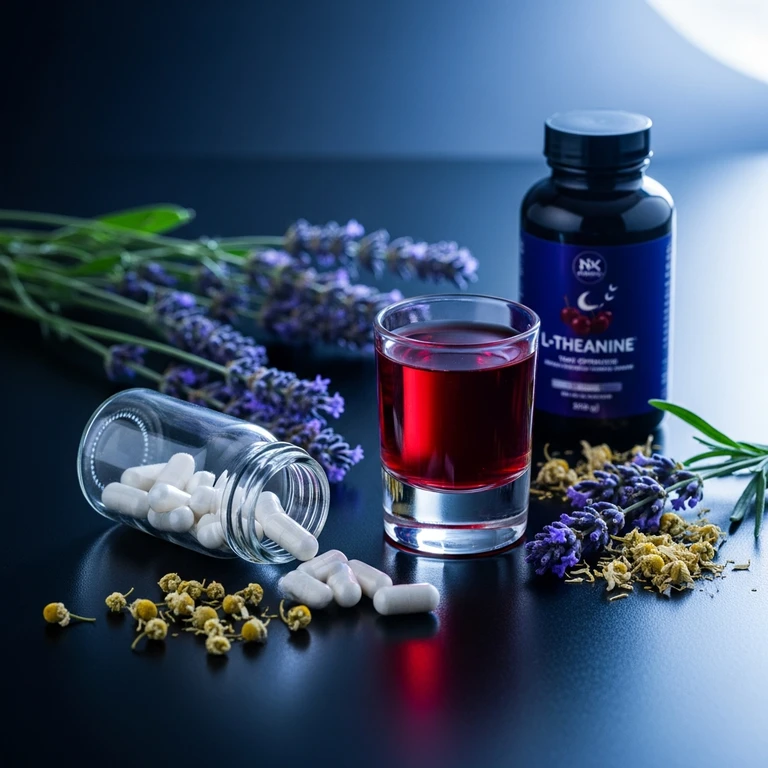
The Science of Sleep Optimization in 2026
Sleep is not passive rest — it is an actively managed biological process governed by interlocking neurochemical systems: the GABAergic inhibitory network that suppresses wakefulness, melatonin signaling that gates the circadian window, thermoregulatory mechanisms that trigger sleep onset, and the slow-wave and REM sleep architecture that delivers the actual restorative benefits. Disrupting any one of these systems — through nutrient deficiencies, chronic stress, poor sleep hygiene, or inflammatory load — degrades sleep quality in ways that accumulate as cognitive decline, metabolic dysfunction, immune impairment, and accelerated biological aging.
The 2026 sleep optimization stack targets all four mechanistic pillars simultaneously. Magnesium glycinate corrects the most prevalent nutritional deficiency affecting GABA function and sleep architecture. L-theanine reduces the excitatory glutamate hyperarousal that prevents sleep onset in minds that won't quiet down. Apigenin engages the benzodiazepine binding site on GABA-A receptors — the same receptor system targeted by prescription sleep medications, but as a gentle partial agonist without dependence risk. Glycine activates the thermoregulatory mechanism (core body temperature reduction) and glycine receptors that enable smooth sleep initiation. Tart cherry extract provides natural phytomelatonin and anti-inflammatory compounds that reinforce circadian timing and improve sleep duration.
Together, these five supplements cost $53–95/month and have collectively stronger evidence than any single sleep supplement alone. Each has been selected for its distinct, non-redundant mechanism — they are genuinely synergistic, not merely additive.
The Core 2026 Sleep Stack: Magnesium Glycinate (300–400mg elemental) + L-Theanine (200–400mg) + Apigenin (50mg) + Glycine (3g) + Tart Cherry Extract (480mg). All taken 30–60 minutes before bed. Estimated monthly cost: $53–95.
Stack at a Glance
| # | Supplement | Category | Dose & Timing | Rating |
|---|---|---|---|---|
| #1 | Magnesium Glycinate Slow-wave sleep depth, cortisol normalization & GABA-mediated nervous system calm | Essential Mineral | 300–400mg elemental magnesium 30–60 minutes before bed | ★4.9 |
| #2 | L-Theanine Sleep onset latency, alpha wave induction & reducing pre-sleep anxiety and racing thoughts | Amino Acid (Tea-Derived) | 200–400mg 30–60 minutes before bed | ★4.8 |
| #3 | Apigenin GABA-A receptor activation, sleep onset & mild anxiolytic action for hyperarousal insomnia | Flavonoid (Chamomile-Derived) | 50mg 30–60 minutes before bed | ★4.7 |
| #4 | Glycine Core body temperature reduction, REM sleep enhancement & next-day cognitive performance | Amino Acid | 3g 30–60 minutes before bed | ★4.7 |
| #5 | Tart Cherry Extract (Montmorency) Melatonin elevation, sleep duration extension & circadian rhythm reinforcement | Botanical (Phytomelatonin Source) | 480mg tart cherry extract (or 30ml of 100% tart cherry juice concentrate) 30–60 minutes before bed | ★4.6 |
Magnesium Glycinate
Magnesium glycinate is the cornerstone of the 2026 sleep optimization stack — the foundational mineral intervention without which the other supplements cannot reach their full potential. Magnesium is required for normal GABA-A receptor function, the primary inhibitory neurotransmitter system responsible for the shift from wakefulness to sleep. It also modulates NMDA receptors, reducing the excitatory glutamate tone that keeps the nervous system in a hyperaroused state incompatible with sleep initiation. The landmark 2012 RCT by Abbasi et al. in the Journal of Research in Medical Sciences (n=46 elderly adults with insomnia, 8 weeks) found that 500mg magnesium daily significantly improved subjective insomnia severity, sleep efficiency (measured by actigraphy), sleep time, sleep onset latency, early morning awakening, serum renin, melatonin, and serum cortisol compared to placebo — a remarkably broad effect profile confirming that magnesium deficiency is a genuine driver of poor sleep rather than merely a correlation. The glycinate chelate form is optimal for a sleep stack: it avoids the osmotic laxative effect of magnesium oxide and malate, provides superior elemental magnesium bioavailability, and delivers glycine as a co-passenger — an amino acid that independently improves sleep quality via glycine receptor agonism in the suprachiasmatic nucleus (the brain's master circadian clock). Take 300–400mg elemental magnesium as glycinate 30–60 minutes before bed. This is the one supplement in this stack where the evidence is so strong and the deficiency so prevalent that virtually everyone benefits.
Key Features
- Magnesium is a required cofactor for GABA-A receptor activity — the primary inhibitory neurotransmitter system that promotes sleep onset and depth
- Activates NMDA receptor modulation, reducing excitatory glutamate signaling that prevents relaxation and sleep
- A 2012 double-blind RCT in the Journal of Research in Medical Sciences (n=46 elderly adults) found magnesium supplementation significantly improved sleep time, sleep efficiency, early morning awakening, and serum melatonin
- Magnesium deficiency — present in ~68% of American adults — directly impairs sleep architecture by elevating nighttime cortisol and reducing slow-wave (deep) sleep duration
- Glycinate chelation provides 4× greater bioavailability than magnesium oxide with no laxative effect at standard doses
Pros & Cons
Pros:
- +Addresses the most prevalent nutritional deficiency affecting sleep quality — and one that standard lab panels routinely miss (serum magnesium does not reflect intracellular stores)
- +Dual mechanism: magnesium modulates GABA-A and NMDA receptors while glycine independently promotes sleep via glycine receptor agonism in the suprachiasmatic nucleus and spinal cord
- +Clinically proven improvements in sleep quality, sleep efficiency, and daytime alertness within 2–4 weeks at full dose
Cons:
- -Doses above 500mg elemental magnesium may cause loose stools — start at 200mg and titrate over 2 weeks
- -Full replenishment of tissue magnesium stores in chronically deficient individuals takes 4–8 weeks of consistent use
L-Theanine
L-Theanine is the ideal complement to magnesium glycinate in a sleep stack: where magnesium addresses the mineral deficiency that impairs sleep architecture, L-theanine provides targeted neurochemical support for sleep onset in individuals whose primary barrier is an overactive, anxious mind at bedtime — the most common presentation of psychophysiological insomnia. L-theanine (a non-protein amino acid derived almost exclusively from green tea) crosses the blood-brain barrier within 30–60 minutes and modulates multiple excitatory receptors (AMPA, NMDA, mGluR5) while simultaneously increasing GABA and dopamine. Most distinctively, it reliably increases alpha wave power in EEG studies — a brain state associated with relaxed, non-anxious wakefulness that transitions naturally to sleep without forcing unconsciousness. A 2019 randomized controlled trial by Hidese et al. in Nutrients (n=30 adults with self-reported sleep issues, double-blind crossover, 8 weeks at 200mg/night) found L-theanine significantly improved sleep quality scores, sleep latency, and sleep satisfaction — with the notable finding that daytime sleepiness was actually reduced rather than increased, confirming its non-sedating mechanism. The 2011 Rao et al. study in Alternative Medicine Review found 400mg L-theanine improved sleep quality and reduced sleep disturbances in boys with ADHD, supporting its mechanism of reducing hyperarousal broadly. Combine with magnesium glycinate for synergistic GABA + glutamate modulation — the two most important inhibitory/excitatory neurotransmitter systems governing sleep-wake transitions.
Key Features
- Increases alpha brain wave activity (8–12 Hz) — the EEG signature of relaxed, non-anxious wakefulness that transitions smoothly into sleep
- Modulates AMPA, NMDA, and mGluR5 glutamate receptors, reducing the excitatory tone responsible for racing thoughts at bedtime
- A 2019 RCT in Nutrients (n=30, 8 weeks, 200mg L-theanine) found significant improvements in sleep satisfaction, sleep latency, and sleep quality without causing daytime drowsiness
- Non-sedating: promotes relaxed calm rather than forced sedation — unlike antihistamines, benzodiazepines, or high-dose melatonin
- Suntheanine (pure L-isomer) at 200–400mg works synergistically with magnesium glycinate for enhanced GABA + glutamate modulation
Pros & Cons
Pros:
- +Uniquely non-sedating sleep aid — reduces the anxious hyperarousal that prevents sleep without producing morning grogginess or next-day impairment
- +Clinical evidence specifically for sleep quality: the 2019 Nutrients RCT confirmed improvements in sleep satisfaction and latency at 200mg, a dose found in green tea but too low in typical cups
- +Fast onset: alpha wave increases are measurable within 30–60 minutes via EEG — aligns perfectly with bedtime dosing
Cons:
- -Dose-response curve is meaningful: 100mg (typical supplement dose) shows modest effects; the clinical RCTs showing sleep benefit used 200–400mg
- -Blood pressure-lowering effect may be additive in those on antihypertensive medication — monitor accordingly
Apigenin
Apigenin is the scientifically most interesting supplement in the 2026 sleep stack — it occupies the same receptor binding site as prescription sleep medications (the benzodiazepine site on GABA-A receptors) but acts as a partial agonist, producing meaningful anxiolytic and sleep-promoting effects without the tolerance, physical dependence, rebound insomnia, or cognitive impairment associated with benzodiazepines and Z-drugs. This partial agonism is the ideal pharmacological profile for a daily sleep supplement: enough GABA-A potentiation to facilitate sleep in hyperaroused individuals, but without the receptor downregulation that makes conventional sleep medications progressively less effective with continued use. Apigenin is the primary bioactive constituent of chamomile (Matricaria chamomilla), providing a mechanistic explanation for chamomile's millennia of traditional use as a sleep herb. Clinical evidence: a 2017 double-blind placebo-controlled RCT published in PLOS ONE (n=77 nursing home residents, 28 days, 200mg chamomile extract standardized to apigenin) found significant improvements in Pittsburgh Sleep Quality Index (PSQI) scores versus placebo. A 2016 RCT in the Journal of Advanced Nursing (n=80 postpartum women, 2 weeks, chamomile tea) found improvements in sleep quality and depression symptoms. The practical recommendation championed by Dr. Andrew Huberman — 50mg purified apigenin nightly — provides a clean, standardized dose that complements the broader GABA and glutamate modulation achieved by magnesium glycinate and L-theanine in this stack. Together, these three supplements address GABA-A receptor activation (apigenin), GABA-A receptor cofactor support (magnesium), and glutamate receptor antagonism (L-theanine) — the triad that governs excitatory-inhibitory balance at bedtime.
Key Features
- Binds to the benzodiazepine site on GABA-A receptors as a partial agonist — promoting GABA-mediated inhibitory neurotransmission without the tolerance, dependence, or rebound insomnia of prescription benzodiazepines
- Primary active compound in chamomile (Matricaria chamomilla) — the traditional sleep herb whose efficacy is now mechanistically explained by apigenin's GABA-A binding
- A 2017 double-blind RCT in PLOS ONE (n=77 nursing home residents, 28 days, 200mg chamomile extract standardized to apigenin) found significant improvements in sleep quality versus placebo
- Antioxidant and anti-neuroinflammatory properties complement sleep architecture support — reduces IL-6 and TNF-α that impair slow-wave sleep
- Popularized by Dr. Andrew Huberman in his sleep protocol as a key compound at 50mg nightly — backed by GABA-A receptor binding studies and clinical chamomile research
Pros & Cons
Pros:
- +Mechanistically well-understood: GABA-A benzodiazepine site binding is the same mechanism as sleep medications, but apigenin acts as a partial agonist — effective without the dependency and withdrawal risks
- +Clinical chamomile RCT evidence in nursing home residents (PLOS ONE 2017) and postpartum women (Journal of Advanced Nursing 2016) confirms sleep quality benefits with an excellent safety profile
- +Combines synergistically with magnesium (both enhance GABA) and L-theanine (which reduces glutamate) — the three-way combination addresses GABA enhancement from multiple angles simultaneously
Cons:
- -Modest anxiolytic/sedative potency compared to prescription GABA modulators — appropriate for mild-to-moderate hyperarousal insomnia, not severe anxiety or clinical sleep disorders
- -Apigenin content varies enormously in chamomile teas and non-standardized herbal products — standardized extracts (e.g., Maypro Apigenin) or pure apigenin capsules provide reliable dosing
Glycine
Glycine completes the neurochemical picture of the sleep optimization stack by addressing the most critical — yet commonly overlooked — physiological prerequisite for sleep: core body temperature reduction. Sleep onset requires a drop in core body temperature of approximately 1–2°F, and glycine uniquely facilitates this by acting on spinal N-methyl-D-aspartate (NMDA) receptors and peripheral vasculature to redirect blood flow from the body's core to the extremities (hands and feet), accelerating heat dissipation. This thermoregulatory mechanism is distinct from every other supplement in this stack and provides synergistic value even when the other components are already working well. The pivotal human evidence comes from a series of studies by Bannai and Kawai: their 2012 double-blind crossover RCT in Nutritional Neuroscience (n=11 adults with self-reported poor sleep, 3g glycine vs. placebo at bedtime) found glycine significantly reduced sleep onset latency and increased the proportion of slow-wave (restorative) and REM sleep as measured by polysomnography — the gold standard sleep measurement. More compelling for practical motivation, a 2012 study in Frontiers in Neurology by the same group found that glycine supplementation before bed after partial sleep restriction significantly improved next-day performance on neurobehavioral tests of vigilance, memory, and reaction time — demonstrating that glycine does not merely sedate but genuinely improves the cognitive restoration function of sleep. Glycine also acts as an inhibitory neurotransmitter at glycine receptors in the brainstem and spinal cord, contributing to muscle relaxation and reduced motor restlessness at sleep onset. The 3g dose is well-tolerated, inexpensive, and the powder form is practically appealing — slightly sweet and easily dissolved in a small glass of water before bed.
Key Features
- Lowers core body temperature by promoting peripheral vasodilation — the most important physiological signal for sleep onset; core temperature must drop 1–2°F for sleep to begin
- A 2012 double-blind RCT in Nutritional Neuroscience (n=11, glycine vs. placebo) found 3g glycine before bed significantly reduced sleep onset latency and increased slow-wave sleep and REM percentage
- A 2012 study in Frontiers in Neurology found glycine improved next-day memory recall and reaction time after sleep restriction — the cognitive restoration function of sleep was significantly enhanced
- Acts as an inhibitory neurotransmitter at glycine receptors in the brainstem and spinal cord, directly promoting muscle relaxation and reducing motor restlessness at sleep onset
- Modulates the suprachiasmatic nucleus (SCN) — the master circadian clock — to reinforce appropriate circadian phase alignment
Pros & Cons
Pros:
- +Unique thermoregulatory mechanism: glycine is the only supplement that directly promotes core body temperature reduction through peripheral vasodilation — the key physiological sleep-onset trigger
- +Clinical evidence for both sleep architecture (more slow-wave and REM sleep in RCT) and next-day cognitive performance restoration — the only supplement in this stack with direct evidence for daytime function improvement following supplemented sleep
- +Remarkably practical: glycine powder is mildly sweet and dissolves readily in water, making bedtime dosing pleasant and effortless compared to swallowing multiple capsules
Cons:
- -At 3g, some users experience mild GI discomfort or bloating — dissolving in warm water and sipping slowly mitigates this for most
- -Mildly sweet taste may not suit all palates, though the majority find it pleasant or neutral
Tart Cherry Extract (Montmorency)
Tart cherry (Montmorency variety) completes the 2026 sleep optimization stack by addressing the circadian timing dimension of sleep that the GABA-focused supplements (magnesium, L-theanine, apigenin) and thermoregulatory supplement (glycine) do not cover. Sleep quality depends not only on GABA-mediated inhibition and core temperature reduction but on melatonin signaling — the hormonal darkness signal that synchronizes the circadian clock and gates the sleep window. Montmorency tart cherries uniquely contain phytomelatonin at concentrations meaningful enough to raise urinary melatonin in human subjects, alongside serotonin, tryptophan, and procyanidins that support the full melatonin synthesis pathway. The key clinical evidence: Howatson et al. (2012, European Journal of Nutrition, n=20 adults, double-blind crossover, 7 days of tart cherry juice twice daily) found that tart cherry juice significantly raised urinary melatonin by 15%, increased total sleep time by 39 minutes (measured by actigraphy), improved sleep efficiency, and reduced napping versus placebo. A 2019 study in the American Journal of Therapeutics (n=8 older adults with insomnia, 2 weeks) found tart cherry juice significantly reduced insomnia severity and raised melatonin levels without adverse effects. Crucially, the natural phytomelatonin dose in standardized tart cherry extract (~0.1–0.3μg per standard dose) is far lower than synthetic melatonin supplements (which typically contain 1–10mg — 10,000× the brain's own melatonin production), avoiding the receptor desensitization, morning grogginess, and potential circadian disruption associated with pharmacological melatonin doses. The anti-inflammatory anthocyanin and quercetin content adds independent value: chronic low-grade inflammation is a significant but underappreciated driver of sleep fragmentation, and reducing nighttime IL-6 directly improves slow-wave sleep architecture.
Key Features
- Montmorency tart cherries contain natural melatonin (phytomelatonin) at meaningful concentrations — 0.01–0.13 μg/g, highest of any commonly consumed food — providing endogenous melatonin support without pharmacological doses
- A 2012 double-blind crossover RCT in the European Journal of Nutrition (n=20 adults) found tart cherry juice significantly increased urinary melatonin, sleep time (39 additional minutes), sleep quality, and reduced daytime napping
- Rich in anthocyanins, quercetin, and chlorogenic acid — potent anti-inflammatory and antioxidant compounds that reduce the nighttime IL-6 and TNF-α elevation that impairs slow-wave sleep
- Contains tryptophan and procyanidins that may reduce the enzymatic degradation of tryptophan toward kynurenine (keeping more available for serotonin → melatonin synthesis)
- Anti-inflammatory effect complements sleep architecture directly: exercise-induced inflammation and systemic low-grade inflammation both fragment sleep and reduce deep sleep duration
Pros & Cons
Pros:
- +Delivers natural phytomelatonin in doses that raise urinary melatonin significantly without the risk of receptor desensitization that occurs with pharmacological melatonin (0.5–10mg synthetic doses)
- +European Journal of Nutrition 2012 RCT found 39 additional minutes of sleep per night versus placebo — the most clinically impactful sleep duration finding of any supplement in this stack
- +Broad anti-inflammatory profile provides dual benefits: better sleep architecture AND reduced exercise-related muscle damage and soreness (supporting morning recovery)
Cons:
- -Natural melatonin content is highly variable between tart cherry products — standardized Montmorency tart cherry extract (480mg) provides more consistent dosing than non-standardized juice or capsules
- -Less potent as a melatonin source than direct melatonin supplementation for severe circadian disruption (jet lag, shift work) — for those cases, 0.5–1mg synthetic melatonin is more reliable
The Complete 2026 Sleep Stack: Nightly Protocol
All five supplements in this stack are taken in the evening, 30–60 minutes before your target sleep time. Unlike most supplement stacks that require complex multi-time-point dosing, the sleep stack is consolidated into a single pre-bedtime routine — making compliance straightforward and sustainable.
| Supplement | Dose | Form | Notes |
|---|---|---|---|
| Magnesium Glycinate | 300–400mg elemental | Capsules | Foundational — GABA cofactor and NMDA modulation. Start at 200mg, titrate up over 2 weeks to avoid GI upset. |
| L-Theanine | 200–400mg | Capsules | Alpha wave induction and glutamate reduction. Look for Suntheanine (pure L-isomer) for clinical-grade consistency. |
| Apigenin | 50mg | Capsules | GABA-A benzodiazepine site partial agonist. Seek standardized extract or pure apigenin — chamomile tea provides minimal effective doses. |
| Glycine | 3g | Powder | Thermoregulation and glycine receptors. Dissolve in 4 oz water — mildly sweet, easy to take. Do not use capsule form for this dose (would require ~6 capsules). |
| Tart Cherry Extract | 480mg extract | Capsules | Natural phytomelatonin and anti-inflammatory support. Montmorency variety specifically; standardized to anthocyanin content. |
Four Pillars of Sleep Quality: How This Stack Addresses Each
1. GABAergic Inhibition (Sleep's Off Switch)
Sleep is fundamentally a withdrawal of wakefulness — GABA, the brain's primary inhibitory neurotransmitter, suppresses the ascending arousal systems (the locus coeruleus, raphe nuclei, and histaminergic tuberomammillary nucleus) that maintain consciousness. Magnesium glycinate provides the essential mineral cofactor for GABA-A receptor function, while apigenin acts as a direct partial agonist at the GABA-A benzodiazepine binding site — the two together providing complementary enhancement of inhibitory tone from both the receptor channel and its allosteric modulator site.
2. Glutamate Suppression (Sleep's On Switch)
Equally important to GABA is reducing excitatory glutamate signaling, which — when excessive — produces the hyperarousal, racing thoughts, and inability to "switch off" characteristic of psychophysiological insomnia. L-theanine directly addresses this by antagonizing AMPA and NMDA glutamate receptors, reducing excitatory tone in the cortex and limbic system within 30–60 minutes. The glycine component in magnesium glycinate also modulates NMDA receptors (glycine is an obligate co-agonist of NMDA), adding a third point of glutamate system regulation.
3. Core Body Temperature Reduction (Sleep's Trigger)
Core body temperature must drop 1–2°F for sleep to begin — this thermoregulatory trigger is the most reliable physiological signal for sleep onset. The body achieves this by dilating peripheral blood vessels to dump heat. Glycine (3g) uniquely facilitates this through both peripheral vasodilation mechanisms and direct action on thermosensitive neurons, accelerating the temperature drop that signals sleep onset. This mechanism is entirely distinct from the GABAergic and glutamatergic mechanisms above, adding genuine non-redundant synergy.
4. Circadian Melatonin Signaling (Sleep's Timer)
Even perfect GABA function and appropriate temperature reduction produce poor sleep if the circadian melatonin signal is absent or mistimed. Melatonin gates the sleep window — it is released by the pineal gland in response to darkness and signals every cell in the body that it is nighttime. Tart cherry extract provides natural phytomelatonin alongside anti-inflammatory compounds (anthocyanins, quercetin) that reduce the nocturnal inflammatory load that fragments sleep and reduces slow-wave sleep duration. Unlike pharmacological melatonin (0.5–10mg), tart cherry's melatonin is delivered at physiologically relevant concentrations that reinforce the endogenous signal without risk of receptor desensitization.
Key Clinical Research: What the Evidence Shows
Magnesium: Comprehensive Sleep Architecture Benefits
The Abbasi et al. 2012 double-blind RCT in the Journal of Research in Medical Sciences (n=46 elderly adults with insomnia, 8 weeks, 500mg magnesium daily) is the most comprehensive sleep RCT for magnesium: it found significant improvements in insomnia severity index, sleep efficiency, sleep time, sleep onset latency, early morning awakening, and — critically — both serum melatonin and serum cortisol, confirming that magnesium acts at multiple sleep-regulating systems simultaneously.
Research: Abbasi et al. (2012), J Res Med Sci; Nielsen et al. (2018), Nutrients.
L-Theanine: Alpha Waves and Sleep Quality
The Hidese et al. 2019 randomized double-blind crossover study in Nutrients (n=30, 8 weeks, 200mg L-theanine nightly) found significant improvements in sleep quality, sleep latency, and sleep satisfaction — with the noteworthy finding that daytime sleepiness was reduced rather than increased. Earlier EEG studies by Nobre et al. and Kimura et al. confirmed that 200mg L-theanine significantly increases alpha wave power in the occipital and parietal cortex within 40 minutes, explaining the relaxed-without-drowsy subjective effect.
Research: Hidese et al. (2019), Nutrients; Nobre et al. (2008), Asia Pac J Clin Nutr.
Apigenin/Chamomile: RCT Evidence for Sleep Quality
The Hieu et al. 2019 systematic review identified 9 clinical trials of chamomile for sleep and anxiety, finding consistent improvements in sleep quality and sleep onset. The Zick et al. 2011 pilot RCT (n=34 adults with chronic insomnia, 28 days, chamomile extract twice daily) found significant improvement in daytime functioning despite more modest effects on total sleep time — suggesting apigenin's primary benefit is sleep quality and architecture rather than quantity. The Hattesohl et al. receptor binding studies confirmed apigenin as the primary active compound via GABA-A benzodiazepine site affinity.
Research: Zick et al. (2011), BMC Complement Altern Med; Hattesohl et al. (2008), Phytomedicine.
Glycine: Polysomnography-Confirmed Sleep Architecture Improvement
Bannai et al. (2012, Nutritional Neuroscience; n=11, double-blind crossover, 3g glycine) used polysomnography to confirm that glycine significantly reduced sleep latency, increased the proportion of slow-wave sleep and REM sleep, and reduced the time spent in light sleep. The companion study in Frontiers in Neurology demonstrated glycine supplementation before sleep restriction significantly improved next-day performance on the Psychomotor Vigilance Task (PVT), a gold-standard neurobehavioral measure of alertness.
Research: Bannai et al. (2012), Nutr Neurosci; Bannai & Kawai (2012), Front Neurol.
Tart Cherry: Melatonin Elevation and Sleep Duration
Howatson et al. (2012, European Journal of Nutrition; n=20 adults, 7-day crossover, Montmorency tart cherry juice twice daily) found significant increases in urinary melatonin content (15%), total sleep time (+39 minutes measured by actigraphy), sleep efficiency, and reduced napping versus placebo. The Losso et al. 2018 randomized pilot trial (n=8 older adults with insomnia, 2 weeks) found tart cherry juice significantly reduced insomnia severity index scores and increased tryptophan availability, with no adverse effects.
Research: Howatson et al. (2012), Eur J Nutr; Losso et al. (2018), Am J Ther.
Related Guides & Individual Supplement Reviews
For in-depth brand comparisons, dosage guidance, and product picks for each supplement in this stack:
Frequently Asked Questions
Can I take all five supplements together every night?
Yes — all five supplements in this stack are safe for nightly use and work synergistically. There are no known adverse interactions between magnesium glycinate, L-theanine, apigenin, glycine, and tart cherry extract. If you are taking prescription sleep medications (benzodiazepines, Z-drugs), discuss adding apigenin with your physician before use — both act on GABA-A receptors, and the combination may produce additive sedation.
How long before I see results?
L-theanine and glycine produce effects within the first night or two — alpha wave induction and core temperature reduction are acute mechanisms. Apigenin and tart cherry typically show noticeable improvement in sleep quality within 3–7 nights. Magnesium glycinate requires 2–4 weeks to meaningfully restore intracellular magnesium stores, at which point the sleep architecture improvements (more slow-wave sleep, reduced early morning wakening) become fully apparent. The complete stack effect is best assessed at the 4-week mark.
Should I use this stack or just take melatonin?
Melatonin is appropriate for circadian disruption (jet lag, shift work, phase advancement) and acute insomnia at low doses (0.3–0.5mg, not the 5–10mg doses common in US supplements). However, melatonin does not address the GABA function, glutamate hyperarousal, thermoregulation, or magnesium deficiency that cause most chronic sleep problems. This stack addresses those root causes. If you use melatonin, consider replacing it with tart cherry extract (natural phytomelatonin) to avoid the receptor desensitization that occurs with nightly pharmacological doses. Tart cherry provides circadian melatonin support without the downsides of high-dose synthetic melatonin.
What if I can only afford one supplement from this stack?
Start with magnesium glycinate — it is the most impactful, addresses the most prevalent deficiency driving poor sleep, has the broadest sleep-architecture evidence base, is available for $12–22/month, and is the foundation the other supplements build on. If your primary problem is racing thoughts at bedtime, add L-theanine second. If your problem is not feeling tired enough at the right time, add tart cherry extract. Apigenin and glycine provide the most incremental benefit when the foundational pieces are already in place.
Disclaimer: This article is for informational and educational purposes only. It is not intended as medical advice, diagnosis, or treatment. Always consult a qualified healthcare provider before starting any new supplement, especially if you are pregnant, breastfeeding, taking medications (particularly sleep medications, benzodiazepines, or blood pressure medications), or managing a medical condition. Sleep disorders including sleep apnea require medical evaluation — supplements are not a substitute for diagnosis and treatment. Some links on this page are affiliate links; SupliCore may earn a commission on qualifying purchases at no additional cost to you.