Advanced Hydration & Cellular Energy Guide 2026
How osmolytes like taurine and glycerol move water into your cells, how CoQ10 and PQQ power the mitochondria that keep them hydrated, and the practical stacks that tie it all together
Hydration Is a Cellular Process, Not a Water Count
True hydration is more than maintaining water levels. It is the efficient transport of water and nutrients into your cells, where they power every biological process from muscle contraction to memory formation. Roughly two-thirds of the water in your body is intracellular, and the amount that actually makes it inside the cell depends on osmotic gradients, membrane transport, and the energy available to run those transporters — not simply on how many glasses you drank.
Electrolytes like sodium and potassium are the essential foundation of that system. But advanced hydration strategies go a step further, incorporating compounds that optimize cellular volume (osmolytes) and mitochondrial efficiency (energy cofactors). Water moves into cells along osmotic gradients that osmolytes create, and the ion pumps that maintain those gradients consume a substantial share of the ATP your mitochondria produce. Hydration and cellular energy are, mechanistically, the same problem viewed from two sides.
This guide explores that next frontier — leveraging osmolytes, mitochondrial supports, and targeted supplementation to maximize performance and cellular health. We cover the mechanism, research, and dosing for four key compounds, then assemble them into practical stacks for endurance athletes and for cognitive focus.
The Three Layers of Cellular Hydration:
- Electrolyte Foundation — Sodium, Potassium, Magnesium
- Cellular Osmolytes — Taurine, Glycerol
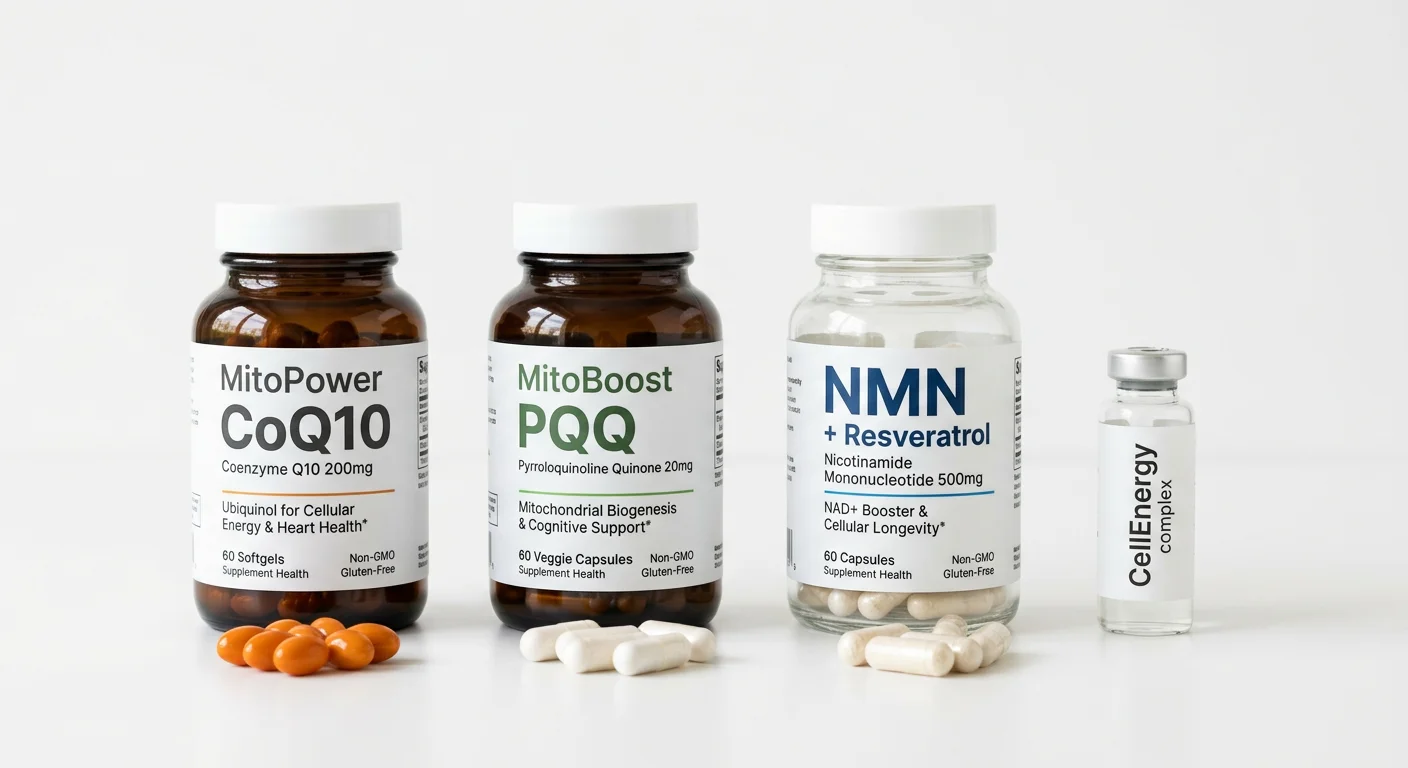
- Mitochondrial Energy Support — CoQ10, PQQ
Estimated monthly cost for a complete advanced hydration stack: $40–70 depending on brands and goals.
In This Guide
Layer 1: The Electrolyte Foundation
Before any advanced compound can help, the basics must be in place. Sodium and potassium set the electrical and osmotic gradient across every cell membrane, and the sodium-potassium pump that maintains that gradient is one of the largest energy consumers in the body. Without adequate electrolytes, water consumed without them can dilute plasma sodium and actually pull fluid out of circulation.
Sodium & Potassium — The Osmotic Gradient
Sodium is the dominant extracellular ion and potassium the dominant intracellular one. The gradient between them drives nerve conduction, muscle contraction, and the directional flow of water. Sweat losses of sodium vary enormously between individuals — from under 500mg to more than 2,000mg per liter — which is why one-size-fits-all hydration advice fails so many athletes. Magnesium, the third pillar, is a cofactor for the ATPase pumps themselves.
Key Points:
- Sodium drives fluid retention: Pre-exercise sodium loading (roughly 1,000–1,500mg with 500–750ml water) measurably expands plasma volume and reduces cardiovascular strain in the heat.
- Potassium balances the cell interior: Most people consume well under the 3,400–4,700mg daily target from food; supplements are typically capped at 99mg per serving, so whole-food sources (potatoes, beans, leafy greens) remain essential.
- Plain water can backfire: Drinking large volumes of plain water during long endurance events without sodium is the primary cause of exercise-associated hyponatremia.
Dosage: 500–1,000mg sodium per liter of fluid during prolonged exercise or heat exposure; 200–400mg potassium alongside. Day-to-day needs are usually met through diet plus modest salt intake.
Best taken: Dissolved in water before and during activity. A quality electrolyte mix removes the guesswork.
View Electrolyte Drink Mixes on AmazonLayer 2: The Role of Osmolytes in Cellular Hydration
Osmolytes are molecules that help cells maintain their volume and fluid balance by affecting osmosis. When a cell faces dehydration or oxidative stress, it accumulates osmolytes to hold water inside without disturbing the delicate ionic environment that proteins need to function. Unlike simple salts, advanced osmolytes provide hydration benefits without disrupting electrolyte balance.
Taurine — The Cellular Stabilizer
Taurine is an amino acid-like compound (technically an amino sulfonic acid) and one of the most abundant free molecules in muscle, heart, retina, and brain tissue. It acts as a potent osmolyte: when cells begin to shrink under osmotic stress, they actively import taurine to draw water back in, and when they swell, they release it. This regulatory volume response makes taurine a primary tool the body uses to keep cell volume stable during intense physical or oxidative stress. Beyond hydration, taurine supports cardiovascular health, stabilizes calcium handling in muscle, and modulates GABA and glycine receptors to balance neurotransmission.
Research Support:
- Endurance performance: A 2018 meta-analysis in Sports Medicine found that single doses of 1–6g taurine improved time-to-exhaustion and time-trial performance across ten studies, with benefits appearing from the first dose.
- Cell volume regulation: Taurine is the dominant organic osmolyte released during regulatory volume decrease in cardiac and neural cells, and its depletion impairs cell survival under hyperosmotic stress in multiple cell models.
- Cardiovascular health: Supplementation of 1.5–3g daily has reduced blood pressure and improved arterial stiffness in randomized trials of prehypertensive adults, consistent with its role in vascular smooth muscle calcium handling.
- Antioxidant protection: Taurine neutralizes hypochlorous acid in mitochondria and is required for proper mitochondrial tRNA modification — linking its hydration role directly to cellular energy production.
Dosage: 500mg–1g daily for general cellular support; 1–3g taken 60–90 minutes before training for endurance and heat performance. Doses up to 3g/day are considered well tolerated long term.
Best taken: Powder dissolved in your electrolyte drink is the most practical form. Taurine is calming rather than stimulating, so it also works well in the evening.
View Taurine Supplements on AmazonGlycerol — The Hyper-Hydration Agent
Glycerol is a sugar alcohol that, when consumed with water, increases the osmotic concentration of fluid in the blood and tissues. Because glycerol distributes throughout body water and is only slowly cleared by the kidneys, it temporarily raises plasma osmolality and causes the body to retain more of the water consumed with it rather than excreting it. This state of “hyper-hydration” can be particularly beneficial for endurance athletes or those working in high-heat environments, as it allows the body to hold more fluid for cooling and metabolic needs during the hours that follow.
Research Support:
- Fluid retention: Pre-exercise glycerol loading retains roughly 300–700ml more fluid than water alone over the following 2–4 hours, according to pooled data from controlled trials.
- Heat performance: Studies in cyclists and runners exercising in the heat report lower core temperature, lower heart rate, and modest endurance improvements after glycerol hyperhydration compared with placebo.
- Combined protocols: Pairing glycerol with sodium produces greater fluid retention than either alone, which is why modern protocols combine the two.
- Regulatory note: Glycerol was removed from the WADA Prohibited List in 2018, making it a legal option for tested athletes.
Dosage: Practical hyperhydration protocols use approximately 1–1.2g of glycerol per kg body weight with 25ml of fluid per kg, consumed 90–180 minutes before prolonged exercise. For lighter everyday use, 1–2g before extended activity still contributes to fluid volume alongside electrolytes.
Best taken: As a powder (often sold as GlycerPump or HydroMax) mixed into a large volume of water with sodium. Start low to assess tolerance — too much, too fast can cause bloating or headache.
View Glycerol Hydration Powders on AmazonLayer 3: Fueling the Powerhouse — Mitochondrial Energy Support
Hydration is closely linked to cellular energy. Water is required for the biochemical reactions that take place within the mitochondria — the engines of your cells — and in turn, the active transport mechanisms that keep cells hydrated run on the ATP those mitochondria produce. The sodium-potassium pump alone can account for 20–40% of resting energy use in excitable tissues. Supporting mitochondrial health ensures your cells have the energy to manage hydration effectively.
CoQ10 — The Electron Porter
Coenzyme Q10 (CoQ10, or ubiquinone) is a vital component of the electron transport chain, shuttling electrons from Complexes I and II to Complex III in the inner mitochondrial membrane, where cells generate ATP through oxidative phosphorylation. It is also the only lipid-soluble antioxidant the body synthesizes itself. Endogenous production declines with age and is suppressed by statin medications, which block the same pathway that makes cholesterol. By supplementing with CoQ10, you support the mitochondria's ability to produce energy efficiently, which fuels the active transport mechanisms that keep cells hydrated.
Research Support:
- Exercise fatigue: Randomized trials in healthy adults report reduced subjective fatigue and lower markers of oxidative muscle damage with 100–300mg daily, particularly in people with low baseline CoQ10 status.
- Cardiac energy: The Q-SYMBIO trial found 300mg/day of CoQ10 reduced major adverse cardiovascular events by 43% over two years in heart failure patients — the heart being the most mitochondria-dense tissue in the body.
- Statin users: Meta-analyses show CoQ10 supplementation meaningfully reduces statin-associated muscle pain and weakness, consistent with restoring depleted tissue levels.
- Ubiquinol vs. ubiquinone: The reduced form (ubiquinol) achieves higher plasma levels at equal doses, which matters most for adults over 40 and anyone with impaired absorption.
Dosage: 100mg daily for aerobic energy support in healthy adults; 200–300mg for those over 50, on statins, or training at high volume.
Best taken: With a fat-containing meal — CoQ10 is fat-soluble and absorption roughly doubles when taken with food. Morning dosing suits most people since it is mildly energizing.
View CoQ10 Supplements on AmazonPQQ — Mitochondrial Biogenesis
Pyrroloquinoline quinone (PQQ) is a unique redox cofactor that has been shown to stimulate the growth of new mitochondria. It works by activating the PGC-1α signaling pathway — the master regulator of mitochondrial biogenesis — the same pathway triggered by endurance exercise and caloric restriction. More mitochondria mean more energy production capacity per cell, leading to better metabolic resilience and overall cellular vitality. PQQ is also an exceptionally stable antioxidant, capable of cycling through thousands of redox reactions before degrading, compared with a handful for vitamin C.
Research Support:
- Mitochondrial density: Animal studies show PQQ-deficient diets reduce mitochondrial content, while repletion restores it — direct evidence that PQQ regulates mitochondrial number, not just function.
- Human markers: A pilot study in healthy adults found 20mg/day of PQQ reduced inflammatory markers (CRP, IL-6) and shifted urinary metabolites consistent with enhanced mitochondrial function.
- Cognitive energy: A 12-week randomized trial of 20mg PQQ in adults over 40 reported improvements in attention and working memory, with effects most pronounced in older participants.
- Synergy with CoQ10: PQQ increases the number of mitochondria while CoQ10 improves the efficiency of each one — a complementary pairing used in most clinical formulations.
Dosage: 10–20mg daily. Effects on mitochondrial biogenesis build over 4–12 weeks rather than acutely.
Best taken: In the morning with a fat-containing meal, ideally alongside CoQ10. Avoid late-day dosing if you find it stimulating.
View PQQ Supplements on AmazonPractical Supplement Stacks
Depending on your goals, you can tailor your hydration and energy stack for maximum impact. The two protocols below cover the most common use cases: sustaining fluid volume and aerobic output during long or hot training sessions, and maintaining clear, calm mental energy through a demanding workday.
Endurance & Performance Stack
Built around fluid retention and aerobic energy. Take the glycerol and taurine components with a large volume of electrolyte-rich water before training; CoQ10 is a daily habit rather than a pre-workout dose.
| Supplement | Dose | When to Take | Role |
|---|---|---|---|
| Sodium & Potassium | 500–1,000mg Na + 200–400mg K per liter | Before and during exercise | The electrolyte foundation |
| Glycerol | 1–2g (up to 1g/kg for full hyperhydration) | 90–180 min before prolonged exercise | Maintain fluid volume |
| Taurine | 500mg–1g | 60–90 min before exercise | Stabilize cell membranes and volume |
| CoQ10 | 100mg | Daily with breakfast | Support aerobic energy production |
Cognitive Focus & Clarity Stack
Built around brain hydration and sustained, jitter-free mental energy. Even 1–2% dehydration measurably impairs attention and working memory, so this stack pairs a brain-targeted magnesium with calming osmolyte support and long-term mitochondrial investment.
| Supplement | Dose | When to Take | Role |
|---|---|---|---|
| Magnesium L-Threonate | 1,000–2,000mg (144mg elemental Mg) | Split morning and evening | Supports hydration and brain health |
| Taurine | 500mg–1g | Morning or early afternoon | Calming effect on the nervous system |
| PQQ | 10–20mg | Morning with a fat-containing meal | Long-term cognitive energy |
| L-Theanine | 100–200mg | Morning, with or without caffeine | Focused energy without the jitters |
How to Start:
- • Week 1–2: Dial in electrolytes first. Add sodium to your water around training and note whether cramping, headaches, or afternoon fatigue change.
- • Week 3–4: Introduce taurine (500mg) and CoQ10 (100mg). Both are well tolerated and easy to assess.
- • Week 5+: Add glycerol before your longest or hottest sessions only, and PQQ for the long game. Give PQQ a full 8–12 weeks before judging it.
- • Caffeine users: Pair every caffeinated drink with 100–200mg L-theanine and an extra glass of water — caffeine is a mild diuretic and theanine smooths its edge.
Hydration Habits That Matter More Than Any Supplement
Supplements refine a hydration strategy; they do not replace one. The habits below determine whether the compounds above have anything to work with.
Daily Practices:
- • Front-load your fluids: Drink 500ml of water with a pinch of salt within 30 minutes of waking — overnight you lose up to a liter through breath and skin.
- • Sip, don't chug: The kidneys can process roughly 0.8–1 liter per hour; large boluses are mostly excreted. Steady intake keeps more water in the cell.
- • Eat your water: Fruits, vegetables, soups, and dairy supply 20–30% of daily water along with the potassium and magnesium that keep it intracellular.
- • Use urine color, not a number: Pale straw indicates adequate hydration. Clear urine throughout the day often means you are over-drinking plain water and diluting electrolytes.
- • Weigh in around hard sessions: Every kilogram lost during exercise is roughly one liter of fluid. Replace 125–150% of that loss with electrolyte-containing fluid over the following hours.
- • Account for caffeine and alcohol: Both increase urinary losses. Alcohol in particular suppresses antidiuretic hormone, which is why a night of drinking leaves cells dehydrated regardless of how much water you add.
Frequently Asked Questions
Is taurine safe to take every day?
Yes. Taurine is produced by the body, found in meat and seafood, and has an extensive safety record at doses up to 3g per day in long-term studies. It is non-stimulating, and the concerns sometimes associated with energy drinks relate to their caffeine and sugar content rather than the taurine.
Do I need glycerol if I am not an endurance athlete?
Probably not as a daily supplement. Glycerol shines for events lasting more than 60–90 minutes, training in heat, or situations where you cannot drink freely. For general daily hydration, electrolytes plus taurine deliver most of the benefit with less complexity.
Can I take CoQ10 and PQQ together?
Yes — they are complementary. PQQ increases the number of mitochondria through PGC-1α activation, while CoQ10 improves the efficiency of electron transport in each one. Many formulations combine them, and both absorb best with a fat-containing meal.
How is cellular hydration different from just drinking more water?
Drinking water raises blood volume, but water only enters cells along an osmotic gradient maintained by electrolytes, osmolytes like taurine, and ATP-dependent pumps. Without those, extra water is simply filtered out by the kidneys. Cellular hydration focuses on making the water you drink useful inside the cell.
Why is magnesium L-threonate in the cognitive stack instead of glycinate?
L-threonate is the magnesium form shown to raise brain magnesium levels most effectively, which supports synaptic density and the hydration-sensitive ion gradients neurons rely on. Glycinate remains an excellent choice for sleep and general repletion; the two can be used together.
How long before I notice a difference?
Electrolyte and glycerol effects are felt within hours. Taurine benefits for performance appear from the first dose, while CoQ10 tissue saturation takes 2–4 weeks and PQQ-driven mitochondrial biogenesis builds over 8–12 weeks.
The Bottom Line
Hydration is a dynamic process that goes far beyond the “drink 8 glasses of water” advice. Water needs electrolytes to stay in circulation, osmolytes to enter cells, and mitochondrial energy to power the pumps that keep it there. By focusing on cellular osmolytes like taurine and glycerol, and supporting your mitochondria with CoQ10 and PQQ, you can achieve a higher level of physiological performance and metabolic health.
Start with the electrolyte foundation, add one compound at a time, and let the layered approach compound over weeks. The result is not just better hydration numbers — it is cells with the water and energy they need to do their jobs.
Related Supplement Guides
Mitochondrial Health & Cellular Energy Stack 2026
CoQ10, PQQ, ALCAR, NMN & Alpha-Lipoic Acid
Best Electrolyte Supplements 2026
LMNT, Liquid I.V., SaltStick & more compared
Best Taurine Supplements 2026
Cardiovascular, hydration & cramping reviews
Best CoQ10 Supplements 2026
Ubiquinol vs. ubiquinone & top brands
Best Magnesium Supplements 2026
L-threonate, glycinate & citrate form guide
Best L-Theanine Supplements 2026
Calm focus & caffeine synergy reviews
Energy & Athletic Performance Supplements
Creatine, caffeine, protein & recovery
Energy & Focus Optimization Stack 2026
Sustained mental energy without crashes
Medical Disclaimer
This guide is for educational purposes only and does not constitute medical advice. Individual hydration and supplement needs vary based on health status, medications, climate, and training load. Consult a qualified healthcare provider before beginning a new supplement regimen, especially if you have kidney disease, heart failure, high blood pressure, take diuretics or blood thinners (CoQ10 can interact with warfarin), or are pregnant or breastfeeding. Glycerol hyperhydration is not appropriate for individuals with kidney, heart, or fluid-retention conditions. Supplements are not a substitute for medical treatment.