The Complete Gut Health Guide
How your gut microbiome controls immunity, mood, and metabolism — and the supplements with the strongest evidence for optimizing it
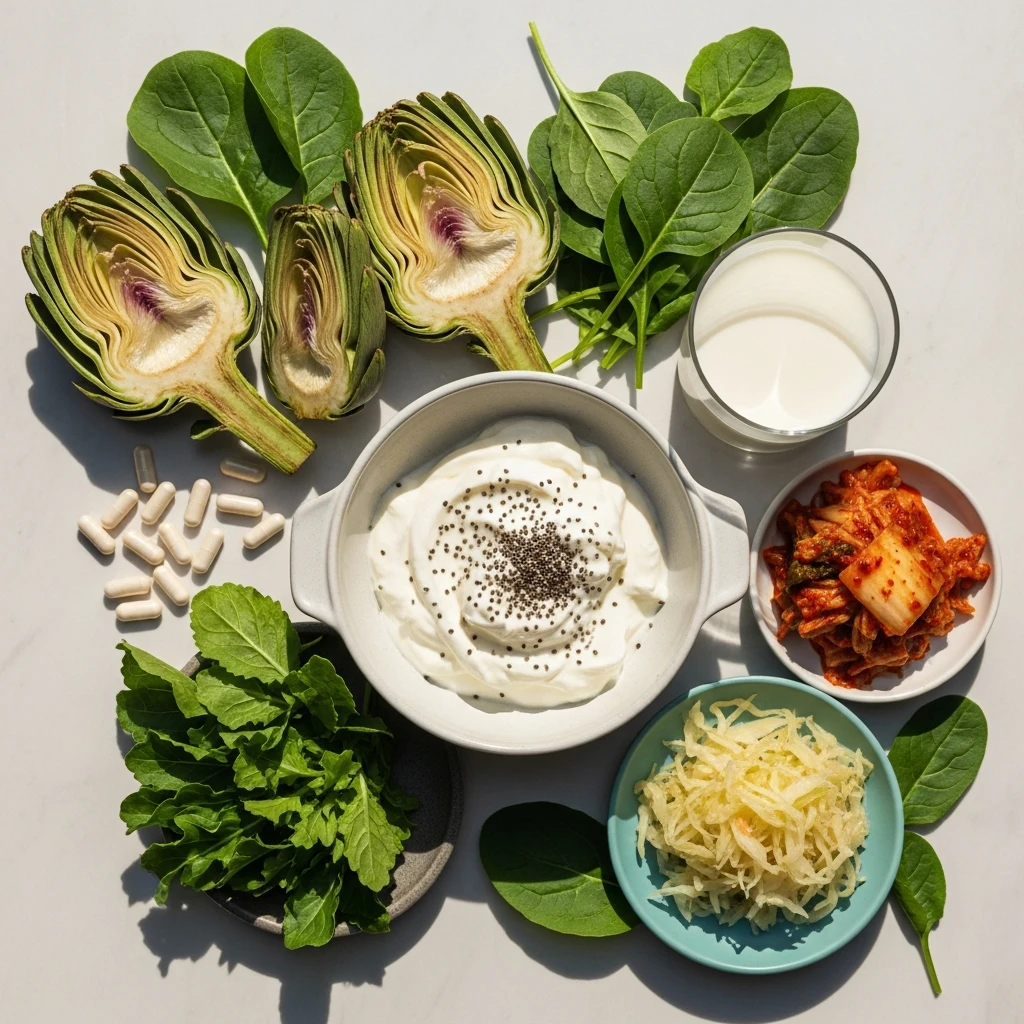
Why Gut Health Is the Foundation of Overall Health
The human gut is home to an estimated 38 trillion microorganisms — bacteria, fungi, viruses, and archaea — collectively called the gut microbiome. This complex ecosystem weighs roughly 2 kg and performs functions so critical that researchers now refer to it as a “virtual organ.” It synthesizes vitamins (K2, B12, folate), produces neurotransmitters (90% of serotonin is made in the gut), educates the immune system, regulates inflammation, and influences metabolism and body weight.
Research published in Cell (2022) found that the composition of the gut microbiome predicted inflammatory markers, metabolic risk factors, and mental health outcomes more accurately than genetics alone. A 2023 review in Nature Medicine documented links between gut dysbiosis (microbial imbalance) and conditions ranging from depression and anxiety to cardiovascular disease, type 2 diabetes, and autoimmune disorders.
This guide covers the four most evidence-backed categories of gut health supplements — probiotics, prebiotics, digestive enzymes, and L-glutamine — explaining how each works, what the research shows, how to dose them, and how to stack them effectively.
The Four Pillars of Gut Health Supplementation:
- Probiotics — Live beneficial bacteria that directly populate and diversify the microbiome
- Prebiotics — Fermentable fibers that feed and sustain beneficial bacteria
- Digestive Enzymes — Catalysts that improve nutrient breakdown and reduce digestive stress
- L-Glutamine — The amino acid that fuels and repairs intestinal epithelial cells
Estimated monthly cost for a complete gut health stack: $40–80 depending on brands and priorities.
Understanding the Gut Microbiome
Before exploring supplements, it helps to understand what a healthy gut microbiome looks like and why it becomes disrupted.
The Gut-Brain Axis: Your Second Brain
The enteric nervous system — over 500 million neurons lining the gut wall — communicates bidirectionally with the brain via the vagus nerve. This gut-brain axis is why stress causes digestive upset and why gut dysbiosis correlates with depression and anxiety. Gut bacteria produce or stimulate the production of serotonin, dopamine, GABA, and short-chain fatty acids (SCFAs) like butyrate, which cross the blood-brain barrier and directly modulate mood and cognitive function.
A landmark 2019 study in Nature Microbiology analyzed the gut microbiomes of 1,054 individuals and found that Coprococcus and Dialister species were consistently depleted in people with depression, independent of antidepressant use. The researchers identified multiple pathways by which gut bacteria synthesize neuroactive compounds that influence mood.
The Gut-Immune Axis: 70% of Immunity Lives in Your Gut
Approximately 70–80% of the immune system resides in gut-associated lymphoid tissue (GALT) — Peyer's patches, mesenteric lymph nodes, and the lamina propria. Gut bacteria directly train immune cells to distinguish between harmful pathogens and harmless food antigens. A disrupted microbiome (dysbiosis) leads to immune dysregulation, increased intestinal permeability (“leaky gut”), and chronic systemic inflammation.
Gut epithelial cells — maintained partly by L-glutamine — form the critical barrier between the microbiome and systemic circulation. When this barrier is compromised, lipopolysaccharides (LPS) from gram-negative bacteria can translocate into the bloodstream, triggering low-grade endotoxemia that drives inflammation throughout the body.
What Disrupts the Microbiome
Modern lifestyle is particularly hostile to microbiome diversity. The key disruptors include:
- Antibiotics: A single course can reduce microbial diversity by up to 25% and eliminate specific strains entirely, with recovery taking 6–12 months
- Ultra-processed foods (UPF): Low in fiber, high in emulsifiers (carboxymethylcellulose, polysorbate-80) that degrade the protective mucus layer
- Chronic stress: Cortisol reduces gut motility, alters intestinal permeability, and directly changes microbiome composition
- Poor sleep: Circadian disruption reduces beneficial Lactobacillus and Bifidobacterium populations
- NSAIDs: Aspirin and ibuprofen increase intestinal permeability and can damage the gastric mucosa with regular use
- Low dietary fiber: The average American consumes 10–15g daily vs. the recommended 25–35g — starving beneficial bacteria
Probiotics: Seeding the Microbiome with Beneficial Bacteria
Probiotics are live microorganisms that, when administered in adequate amounts, confer a measurable health benefit. They are the most extensively studied gut health supplement category, with over 1,500 clinical trials published in the last decade.
How Probiotics Work
Probiotic bacteria act through multiple mechanisms simultaneously: they compete with pathogens for intestinal adhesion sites, produce bacteriocins (natural antibiotics) that inhibit harmful microbes, strengthen tight junctions between epithelial cells, stimulate IgA secretion, and modulate dendritic cell activity to calibrate the immune response. The genus and species determine the mechanism — Lactobacillus strains tend to colonize the small intestine and enhance IgA, while Bifidobacterium strains thrive in the colon and produce SCFAs.
What the Research Shows
Key Clinical Evidence:
- IBS Symptoms: A meta-analysis of 53 RCTs in Gut (2019) found multi-strain probiotics significantly reduced IBS symptom severity scores, with the greatest effects on bloating, abdominal pain, and bowel irregularity. NNT (number needed to treat) was 7 — comparable to pharmaceutical antispasmodics without the side effects.
- Antibiotic-Associated Diarrhea: A Cochrane review of 31 RCTs found probiotics reduced antibiotic-associated diarrhea risk by 51%. Lactobacillus rhamnosus GG and Saccharomyces boulardii CNCM I-745 had the strongest evidence.
- Upper Respiratory Infections: A 2020 meta-analysis of 23 RCTs found multi-strain probiotics reduced URTI incidence by 42% and duration by 1.6 days — likely through enhanced mucosal IgA and NK cell activity trained at GALT.
- Mental Health (Psychobiotics): A 2019 RCT in Frontiers in Neuroscience found L. helveticus R0052 + B. longum R0175 reduced anxiety scores and cortisol levels in healthy adults over 30 days, with effect sizes comparable to low-dose anxiolytics.
- Leaky Gut: Bifidobacterium longum BB536 supplementation improved intestinal permeability markers (zonulin, lactulose-mannitol ratio) in a 2021 double-blind RCT, suggesting direct tight-junction strengthening effects.
Strain Selection and Dosing
Not all probiotics are interchangeable. The therapeutic effect is strain-specific, which is why generic “probiotic blend” products often underperform compared to products using clinically validated strains.
Best-Researched Strains by Goal:
- IBS & Bloating: Bifidobacterium infantis 35624, Lactobacillus plantarum 299v
- Antibiotic Recovery: Lactobacillus rhamnosus GG, Saccharomyces boulardii CNCM I-745
- Immune Support: Lactobacillus acidophilus NCFM, Bifidobacterium lactis HN019
- Mental Health / Psychobiotics: L. helveticus R0052, B. longum R0175
- General Gut Health: Multi-strain formula combining 2–4 Lactobacillus + 2 Bifidobacterium species
Dosage: 10–50 billion CFU daily for general maintenance; some therapeutic protocols use 100–450 billion CFU. Studies consistently show multi-strain formulas outperform single strains for most outcomes.
Best taken: On an empty stomach 30 minutes before breakfast, or with a small amount of food. Refrigerate if the label requires it — temperature-sensitive strains lose viability rapidly at room temperature.
View Probiotic Supplements on AmazonPrebiotics: Fueling the Bacteria You Already Have
Probiotics add beneficial bacteria to your gut. Prebiotics feed the beneficial bacteria already living there. Unlike probiotics, prebiotics are not living organisms — they are non-digestible fibers that selectively ferment beneficial microbes in the colon, producing short-chain fatty acids (SCFAs) as metabolic byproducts.
How Prebiotics Work: The SCFA Connection
When prebiotic fibers reach the colon, bacteria ferment them and produce SCFAs — primarily butyrate, propionate, and acetate. Butyrate is the primary fuel source for colonocytes (colon epithelial cells) and is critical for maintaining the gut barrier. It also activates regulatory T cells that prevent inappropriate immune responses, reduces colonic pH (inhibiting pathogen growth), and has direct anti-cancer properties in colonocyte DNA repair.
Propionate reaches the liver and regulates cholesterol and glucose metabolism. Acetate enters the bloodstream and influences peripheral metabolism, appetite regulation, and immune cell differentiation. This SCFA production is one of the most important metabolic functions of the gut microbiome — and it only happens when bacteria have prebiotic fiber to ferment.
What the Research Shows
Key Clinical Evidence:
- Microbiome Diversity: A 2022 RCT in Cell Host & Microbe found that inulin-type fructans (ITF) increased Bifidobacterium populations by 30% and improved overall microbial diversity scores within 4 weeks — without side effects at moderate doses.
- Immune Modulation: A British Journal of Nutrition RCT found GOS (galactooligosaccharides, 5.5g/day for 12 weeks) significantly increased fecal Bifidobacteria, reduced salivary cortisol, and improved anxiety scores compared to placebo — consistent with the gut-brain axis model.
- Metabolic Health: Arabinoxylan prebiotic supplementation reduced post-meal blood glucose by 18% and insulin response by 21% in a crossover RCT, likely through SCFA-mediated improvement in insulin sensitivity and GLP-1 secretion.
- Synbiotic Effect: Combining a prebiotic with a compatible probiotic strain (a “synbiotic”) consistently outperforms either alone — the probiotic bacteria get an immediate food supply and colonize more effectively.
Types of Prebiotic Fiber and Dosing
Common Prebiotic Types:
- Inulin & FOS (Fructooligosaccharides): Found in chicory root, Jerusalem artichoke, garlic. Best-studied prebiotic class. Start with 3–5g/day and build to 10–15g over 2–4 weeks.
- GOS (Galactooligosaccharides): Derived from lactose fermentation. Good evidence for immune and mood benefits. Well-tolerated at 5.5g/day.
- Acacia Fiber (gum arabic): Gentle prebiotic, low gas production. Good starting point for people with sensitive guts. Use 5–10g/day.
- Resistant Starch (RS2, RS3): Found in green bananas, cooked-and-cooled rice and potatoes. Potent butyrate producer. Can cause gas — introduce slowly.
- Partially Hydrolyzed Guar Gum (PHGG): Excellent tolerability profile, IBS evidence, low gas. 5g/day is effective.
Key note: Always introduce prebiotics slowly. Starting with 10g immediately will cause significant gas and bloating. Increase by 2–3g per week.
View Prebiotic Supplements on AmazonDigestive Enzymes: Optimizing Nutrient Breakdown
Digestive enzymes are biological catalysts — proteins that accelerate the chemical breakdown of food into absorbable nutrients. They are produced by the salivary glands, stomach, pancreas, and small intestine brush border. Enzyme production declines naturally with age and can be impaired by chronic stress, poor diet, and certain medical conditions.
Key Enzyme Classes and Their Functions
- Proteases (Proteinases): Break down protein chains into amino acids and peptides. Key for protein absorption and reducing gut inflammation from incompletely digested proteins.
- Lipases: Hydrolyze dietary fats (triglycerides) into fatty acids and glycerol. Critical for fat-soluble vitamin absorption (A, D, E, K, CoQ10).
- Amylase: Converts starch and complex carbohydrates into simple sugars. Produced in saliva and by the pancreas.
- Lactase: Breaks down lactose (milk sugar). Deficiency causes lactose intolerance — bloating, gas, and diarrhea after dairy consumption.
- Alpha-galactosidase: Breaks down oligosaccharides in beans, lentils, and cruciferous vegetables (the compounds that cause gas). This is the active ingredient in Beano.
- Cellulase: Digests plant cell walls (cellulose). Not produced by the human body — plant-derived or microbial cellulase in supplements can improve vegetable nutrient release.
- Bromelain & Papain: Plant-derived proteases from pineapple and papaya with anti-inflammatory properties beyond just digestion.
What the Research Shows
Key Clinical Evidence:
- Pancreatic Enzyme Insufficiency: Pancreatic enzyme replacement therapy (PERT) is standard of care for exocrine pancreatic insufficiency (EPI), dramatically improving fat and protein absorption. This is the strongest and most unambiguous evidence for enzyme supplementation.
- Functional Dyspepsia: A 2021 double-blind RCT found a broad-spectrum enzyme blend reduced post-meal bloating, fullness, and abdominal pain scores by 50% vs. placebo in patients with functional dyspepsia after 8 weeks (Digestive Diseases and Sciences).
- Lactase Supplementation: Multiple RCTs confirm that taking lactase with dairy products eliminates lactose intolerance symptoms in most individuals — an essentially pharmacological level of evidence for a specific enzyme application.
- Protein Absorption: A 2020 crossover study found multi-enzyme supplementation (including protease) increased amino acid appearance in plasma after a meal by 23% compared to no enzyme — suggesting meaningfully improved protein bioavailability, relevant for older adults and athletes.
Who Benefits Most and How to Use
Digestive enzymes are most impactful for people over 50 (enzyme production declines with age), those with low stomach acid, individuals eating large amounts of protein or fat, and anyone with symptoms of incomplete digestion — bloating, gas, and undigested food in stool.
Dosage: Take broad-spectrum enzyme supplements with the first bite of each meal. Dosing depends on meal size and composition — larger, higher-fat meals may require 2 capsules.
Best form: Look for blends with lipase, protease, amylase, lactase, and alpha-galactosidase. Products standardized in USP or FCC units are more reliable than products measured by weight alone.
View Digestive Enzyme Supplements on AmazonL-Glutamine: Rebuilding the Gut Barrier from Within
L-glutamine is the most abundant free amino acid in the human body and the primary fuel source for intestinal epithelial cells (enterocytes). The gut uses so much glutamine that it can deplete systemic levels during periods of physiological stress — illness, surgery, intense exercise, or chronic inflammation — creating a conditional deficiency that impairs gut barrier integrity when you need it most.
How L-Glutamine Supports Gut Health
Glutamine serves three distinct functions in the gut: it provides metabolic fuel for rapid enterocyte turnover (the gut lining replaces itself every 3–5 days), it is a precursor for glucosamine which is incorporated into intestinal mucins (the protective mucus layer), and it directly regulates the expression of tight junction proteins — claudin-1, occludin, and ZO-1 — that seal the spaces between epithelial cells and prevent intestinal permeability.
In catabolic states (critical illness, major surgery, intense athletic training), the gut becomes a net consumer of glutamine from the bloodstream, competing with immune cells — particularly lymphocytes and macrophages — that also rely heavily on glutamine for energy and biosynthesis. This competition can impair both gut barrier integrity and immune function simultaneously, explaining why supplementation is most impactful during physiological stress.
What the Research Shows
Key Clinical Evidence:
- Critical Care & Surgery: A meta-analysis of 14 RCTs in JPEN Journal of Parenteral and Enteral Nutrition found IV and enteral glutamine supplementation in critically ill patients significantly reduced infectious complications, hospital-acquired pneumonia, and mortality rates — largely attributed to maintained gut barrier function preventing bacterial translocation.
- Intestinal Permeability: A 2019 RCT in Gut found 30g/day of L-glutamine for 8 weeks significantly reduced intestinal permeability (measured by lactulose-mannitol ratio) in IBS patients with loose stools, with 79% of glutamine participants achieving ≥50% reduction in symptom severity vs. 5.8% in the placebo group.
- Exercise-Induced Gut Permeability: Research in endurance athletes consistently shows that intense exercise increases gut permeability by 2–3× (likely through splanchnic hypoperfusion). A 2017 RCT in athletes found L-glutamine (0.9g/kg/day) significantly attenuated exercise-induced intestinal permeability increases and reduced GI symptoms post-training.
- IBS with Diarrhea: The 2019 Gut RCT noted above (Bertrand et al.) represents the strongest evidence to date for glutamine in functional gut disorders. Post-infectious IBS — where gut permeability is measurably elevated — appears to be the highest-yield application.
Dosing and Form
L-glutamine is available as powder, capsules, and in some protein blends. Powder is the most cost-effective form for therapeutic dosing.
General gut health maintenance: 5–10g daily, taken on an empty stomach or between meals. Split into two doses (morning and evening) for better utilization.
Therapeutic (intestinal permeability, IBS): 15–30g/day in divided doses. The 2019 Gut RCT used 5g three times daily.
Athletes: 0.3–0.5g per kg bodyweight daily, divided around training. A 70kg athlete would use 21–35g/day during high training volume.
Safety Note:
L-glutamine is very well-tolerated. People with liver disease, kidney disease, or seizure disorders should consult a physician before using therapeutic doses. Glutamine can theoretically act as a substrate for glutamate production, which at very high doses could be relevant for those with seizure sensitivity.
Supporting Cast: Other Evidence-Backed Gut Health Supplements
Beyond the four pillars, several other supplements have meaningful evidence for specific gut health applications.
Zinc Carnosine
A chelated compound of zinc and L-carnosine, zinc carnosine adheres to the stomach and intestinal lining where it exerts localized protective effects. A Gut study found it maintained gut integrity in NSAID users; research in athletes showed it reduced exercise-induced gut permeability. Standard dose: 75mg twice daily between meals.
View Zinc Carnosine on Amazon →Collagen Peptides
Collagen provides glycine, proline, and hydroxyproline — amino acids that support connective tissue in the gut lining. While direct gut RCT evidence is limited, collagen is a practical daily protein source that also supplies gut-supportive amino acids. Dose: 10–20g/day mixed into beverages.
→ See our Best Collagen Supplements 2025 reviewsPsyllium Husk
Psyllium is a soluble fiber with the unique property of forming a gel in the colon that normalizes bowel movements in both constipation and diarrhea. A meta-analysis in The American Journal of Clinical Nutrition found psyllium improved stool consistency scores better than any other fiber supplement. It also has significant cholesterol-lowering evidence. Dose: 5–10g with ≥8 oz water, before meals.
Berberine
Berberine, an alkaloid from Berberis plants, has dual benefits: it inhibits harmful gut bacteria (including pathogenic E. coli and Helicobacter pylori) while supporting beneficial species. It also improves intestinal barrier function by upregulating tight junction proteins. A 2021 meta-analysis found berberine significantly improved IBS symptoms and reduced diarrhea frequency. Dose: 500mg 2–3× daily with meals.
→ See our Best Berberine Supplements 2026 reviewsThe Complete Gut Health Supplement Stack
Based on the evidence reviewed above, here is a practical daily protocol layered by priority. Start with the foundation and add additional supplements based on your specific symptoms and goals.
| Supplement | Daily Dose | When to Take | Est. Monthly Cost |
|---|---|---|---|
| Probiotic (multi-strain) | 20–50 billion CFU | Morning, empty stomach | $20–35 |
| Prebiotic Fiber (inulin/GOS) | 5–10g | With probiotic or with meals | $10–20 |
| Digestive Enzymes (broad-spectrum) | 1–2 capsules | With each main meal | $15–25 |
| L-Glutamine | 5–10g (or 15–30g therapeutic) | Between meals or empty stomach | $10–20 |
| Psyllium Husk | 5–10g | Before a meal with ≥8 oz water | $5–10 |
| Zinc Carnosine | 75mg twice daily | Between meals | $15–25 |
Implementation Strategy (Start Here):
- • Week 1–2: Add probiotic only. Let your gut adjust to the new bacteria.
- • Week 2–3: Add prebiotic at low dose (3g) and digestive enzymes with meals.
- • Week 3–4: Add L-glutamine between meals. Increase prebiotic to 5–8g if tolerated.
- • Week 4+: Add psyllium husk and optionally zinc carnosine if still experiencing symptoms.
- • Month 2: Evaluate what's working, simplify to 2–3 supplements that address your specific symptoms.
Important: Diet Is the Foundation
- No supplement stack can compensate for a fiber-poor, ultra-processed diet. Prioritize 25–35g of dietary fiber daily from diverse plant sources.
- Include fermented foods (yogurt, kefir, kimchi, sauerkraut) — a Stanford RCT found high-fermented-food diets increased microbiome diversity more than high-fiber diets alone.
- Eat at least 30 different plant species per week — microbiome diversity tracks directly with dietary plant diversity.
Lifestyle Factors That Shape the Microbiome
Supplements are an amplifier — they work best when the foundational lifestyle factors are also addressed.
Sleep: Circadian Rhythm and Gut Bacteria
The gut microbiome has its own circadian rhythm, synchronized with the host's sleep-wake cycle. Poor sleep (less than 7 hours) or irregular schedules reduce beneficial Lactobacillus and Bifidobacterium populations within 2 weeks. Prioritize consistent sleep timing as much as duration.
Exercise: Microbiome Diversity and SCFA Production
Research shows that elite athletes have significantly greater microbiome diversity than sedentary controls — and that the difference is largely driven by exercise itself (independent of diet). Moderate-intensity exercise (30–60 min, most days) increases butyrate-producing bacteria within 6 weeks. However, very high-volume endurance training without adequate recovery can increase intestinal permeability.
Stress Management: The Cortisol-Gut Connection
Chronic psychological stress alters gut motility (causing IBS-like symptoms), reduces mucosal IgA, and directly shifts microbiome composition. Mind-body practices (meditation, yoga, slow diaphragmatic breathing) have been shown to reduce gut permeability markers and improve IBS symptoms — through vagal activation and HPA axis down-regulation.
Antibiotic Stewardship
Reserve antibiotics for confirmed bacterial infections. If you must take antibiotics, use S. boulardii CNCM I-745 concurrently (it is not killed by antibiotics and significantly reduces AAD risk), and follow with a 4–8 week probiotic course to help restore diversity. Take probiotics at least 2 hours away from antibiotic doses.
Frequently Asked Questions
Should I take probiotics with or without food?
Research is mixed, but most studies suggest that taking probiotics with a small amount of food (particularly fat) improves survival of acid-sensitive strains through the stomach. Avoid taking with hot beverages or large meals that alter gastric pH significantly. If the label says empty stomach, follow that — the manufacturer has optimized for their specific strains.
How long does it take for probiotics to work?
Acute effects on symptoms (bloating, gas, regularity) can appear within 1–2 weeks. Measurable changes in microbiome composition typically require 4–8 weeks. Immune and mood effects (psychobiotics) in clinical trials have appeared at 4–12 weeks. Expect 2–3 months for a full assessment of whether a probiotic is working for you.
Do I need to take digestive enzymes with every meal?
Not necessarily. They are most valuable with larger, high-protein or high-fat meals, and for people over 50 whose enzyme production is naturally lower. Some people find they only need enzymes with specific foods (dairy, beans, high-fat meals) rather than every meal. Experiment to find what gives you the most benefit.
Can I take L-glutamine and probiotics together?
Yes — they work on different mechanisms and there are no known interactions. Glutamine supports the gut epithelium (the structural layer), while probiotics influence the microbial community living on top of it. They are genuinely complementary and can be taken at the same time.
Is gut health the same as digestive health?
Gut health is broader than digestive health. Digestive health refers to how well your gut processes and absorbs food. Gut health encompasses the entire gut ecosystem — the microbiome, the gut barrier, the enteric nervous system, and the gut-brain and gut-immune axes. You can have good digestion but poor gut health (or vice versa), though they are closely related.
Related Supplement Guides
Best Probiotic Supplements 2025
Strain-specific reviews for IBS, immune health, and general wellness
Best Digestive Enzyme Supplements 2025
Top broad-spectrum and targeted enzyme blends reviewed
Best Fiber Supplements 2025
Psyllium, acacia, and prebiotic fiber options compared
Best L-Glutamine Supplements 2025
Powder and capsule forms for gut health and athletic recovery
Gut Health Supplement Stack
Complete microbiome support protocol with timing guide
Best Berberine Supplements 2026
Antimicrobial and metabolic benefits of berberine reviewed
Immune Defense Guide 2026
How gut health connects to year-round immune resilience
Supplement Bioavailability Explained
How to maximize absorption from every supplement you take
Medical Disclaimer
This guide is for educational purposes only and does not constitute medical advice. Supplements are not intended to diagnose, treat, cure, or prevent any disease. If you have a diagnosed gastrointestinal condition (IBS, IBD, Crohn's disease, celiac disease, SIBO), consult a gastroenterologist before starting a supplement regimen. Individual needs vary significantly. If you experience severe abdominal pain, rectal bleeding, unexplained weight loss, or persistent changes in bowel habits, seek medical attention promptly.